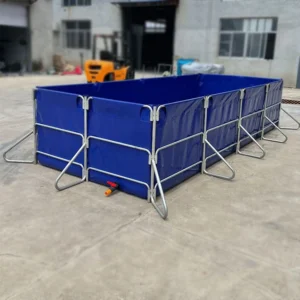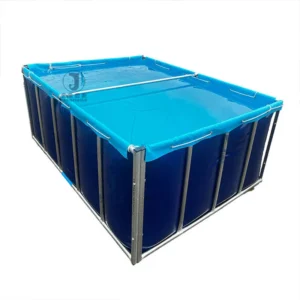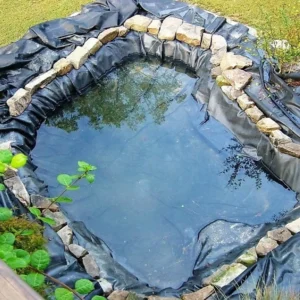
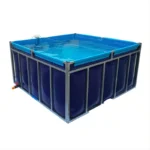
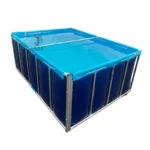
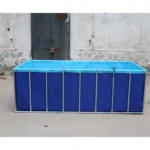

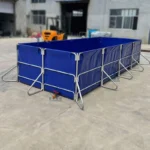
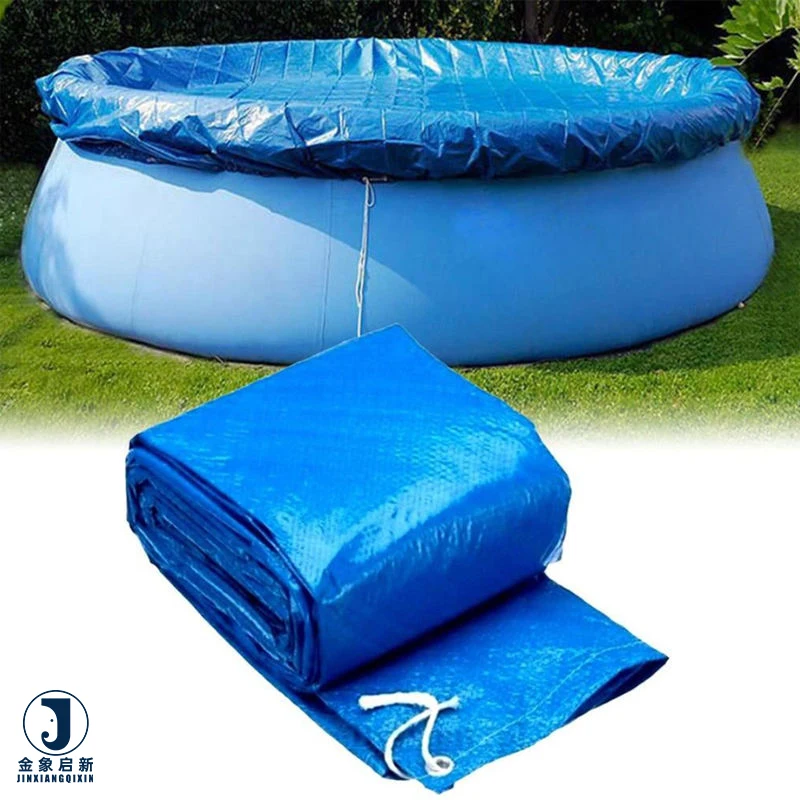
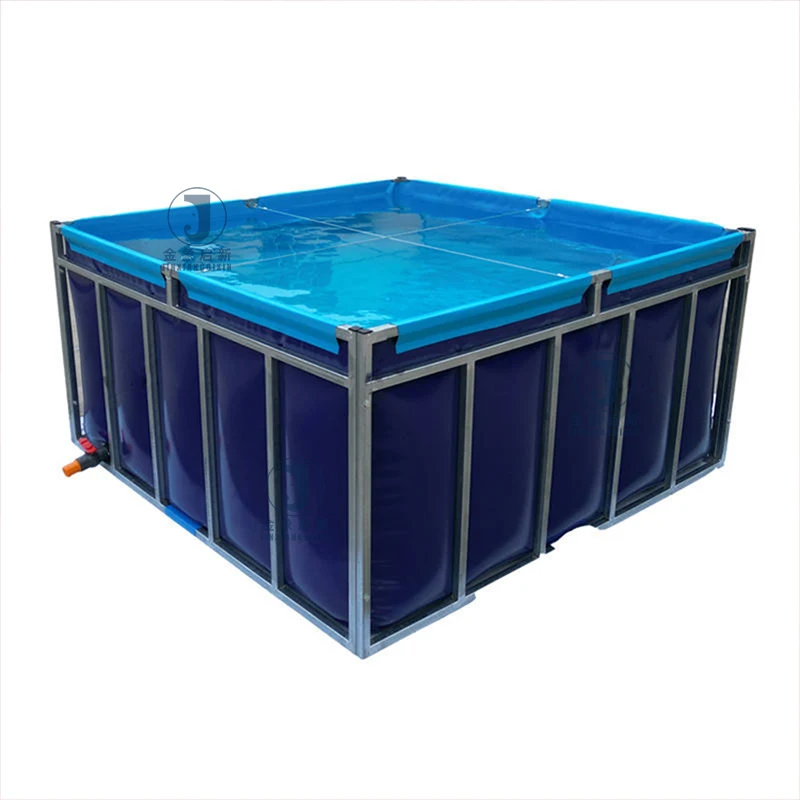
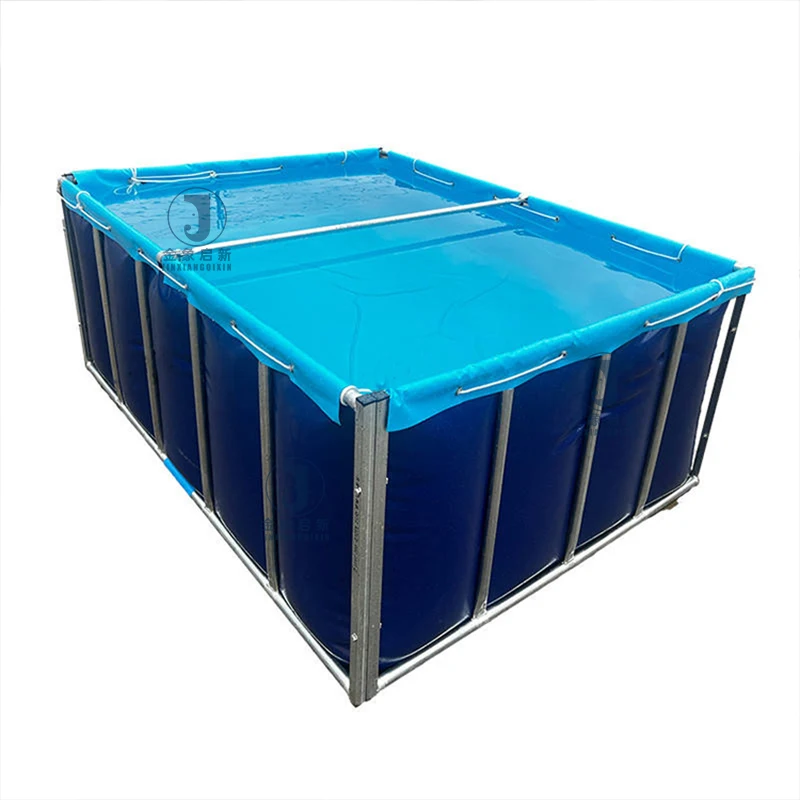
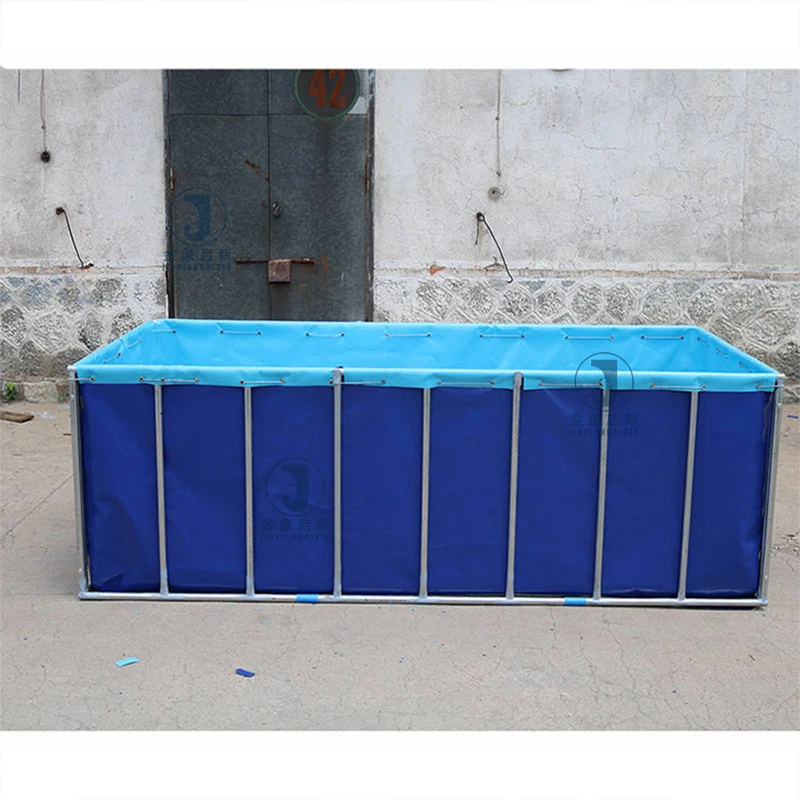
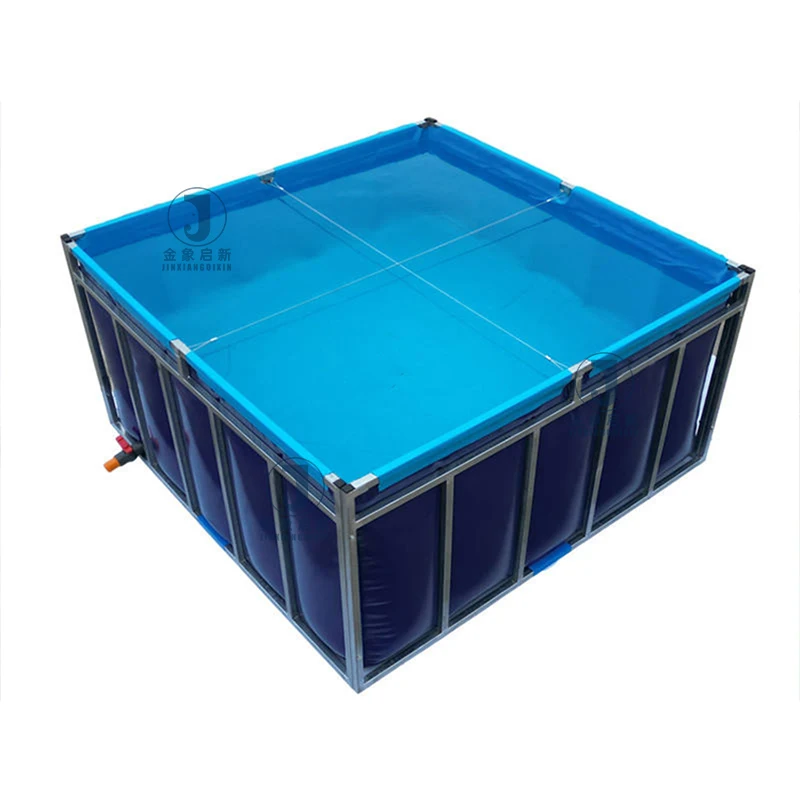
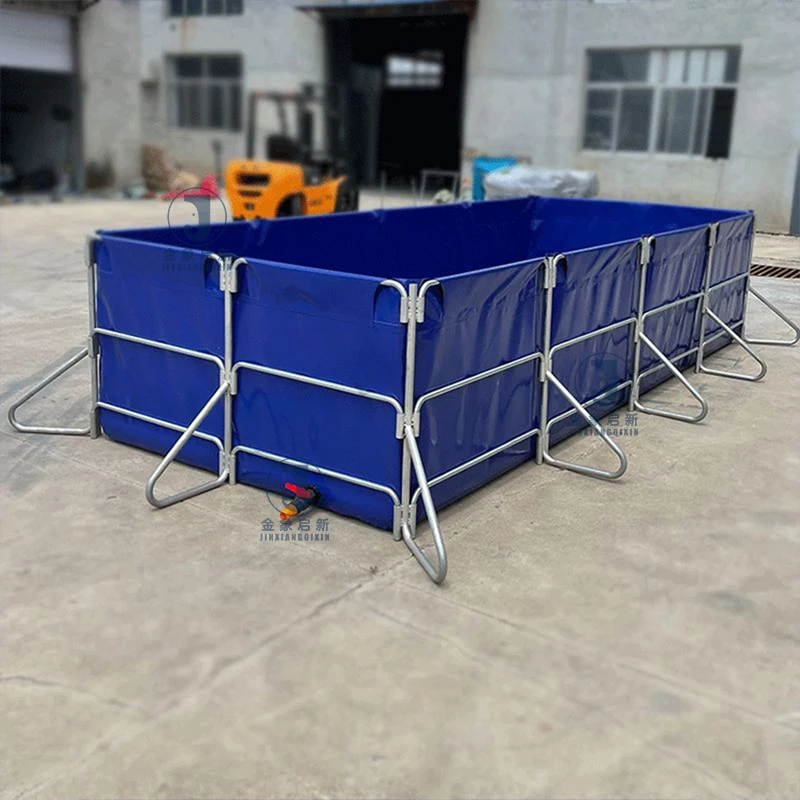
Technical Fabric Compliance — Hot-melt coated PVC pond liner fabric engineered for specialist water containment environments where fire-retardant and anti-static certification is non-negotiable, backed by documented test grades rather than verbal claims.
Technical Specifications
| Parameter | Value |
|---|---|
| Product Type | PVC Coated Tarpaulin |
| Material | PVC + High-strength polyester mesh fabric |
| Coating Method | Laminated technology & Hot-melt Coating technology |
| Weight (GSM) | 350gsm, 420gsm, 500gsm, 550gsm, 600gsm, 750gsm (multiple grades — confirm grade for project) |
| Total Thickness | 0.32mm, 0.35mm, 0.4mm, 0.45mm, 0.5mm, 0.65mm |
| Roll Width | 2m, 2.1m |
| Roll Length | 75m (for 2m width), 50m (for 2.1m width) |
| Colour Options | Blue / Red / Yellow / Light blue / Grey (custom available) |
| Waterproof | Yes |
| Anti-Mildew | Treatment available (grade not stated) |
| Anti-Static | Treatment available (surface resistance to be specified) |
| Cold Crack Resistance | Yes (test basis not stated) |
| UV Treatment | Sunproof claimed (test basis not stated) |
| Flame Retardant | Special treatment available (grade not stated) |
| Key Features | High tenacity polyester base, weldable seams, strong adhesion strength, good colour fastness |
Application Suitability
| Application | Exposure & Requirement |
|---|---|
| Aquaculture pond lining | Permanent water contact, biological and chemical exposure, puncture resistance on uneven substrate |
| Mining water containment reservoir | Fire safety mandates, anti-static compliance, heavy equipment proximity |
| Construction site water storage | UV exposure, sediment abrasion, temporary deployment and tear-down cycles |
| Inflatable and membrane water structures | Air pressure loading, welded seam integrity, material flexibility under stress |
What "Fire Retardant" Means When No Grade Is Cited
A flame retardant claim without a documented grade is a liability, not a feature — specify the standard your site demands before placing the order.
Mining and tunnelling contractors routinely specify PVC pond liner fire retardant or anti-static treatments for water containment installations near ignition sources, yet many suppliers ship fabric labelled "fire retardant" without a test certificate naming the classification. When the site inspector requests documentation, the absence of a recognised grade — whether DIN 4102, NFPA 701, or a local mining standard — halts the installation and triggers a compliance dispute. [NEED_CITE: fire classification standards for coated fabrics in mining environments]
Coating Technology and Weld Integrity in Water Containment
This PVC fish pond liner tarpaulin aftermarket supplier range uses both laminated and hot-melt coating methods on a high-strength polyester mesh base. Hot-melt coating drives the PVC compound directly into the fabric weave under heat and pressure, producing stronger interlayer adhesion than simple laminating. For pond liner installations where every metre of seam is heat-welded on site, this adhesion strength determines whether the weld line holds as long as the base fabric or becomes the first point of failure under water pressure.
Anti-Static Performance and Compliance Documentation
In specialist environments — underground mining water sumps, aviation fuel farm bunding, or any containment area where static discharge presents a hazard — anti-static treatment is a compliance requirement, not an optional extra. This PVC coated pond liner fabric can be produced with anti-static treatment, but the target surface resistance value must be agreed before production starts. Requesting a measured ohm-range and a test certificate avoids the scenario where fabric arrives on site with a generic "anti-static" label that fails the contractor’s acceptance test. [NEED_CITE: surface resistance measurement methods for anti-static coated fabrics]
Reading GSM, Thickness and Base Fabric Together
Weight in GSM is frequently quoted as the single indicator of pond liner quality, yet it tells only part of the story. A 600gsm fabric with a loose-weave base and heavy coating may have the same stated weight as a 600gsm fabric with a dense high-tenacity polyester mesh and balanced coating — but the tensile and tear performance differs substantially. Thickness readings from 0.32mm through 0.65mm in this range reflect the combined result of base fabric denier and coating build-up. Hot-melt coated grades achieve higher adhesion between the PVC compound and the yarn surface, which directly supports stronger heat-welded seams during field fabrication. For large-span reservoir lining, the base fabric density and yarn tenacity govern how well the liner resists puncture and tear propagation once installed over compacted earth or rock substrate.
The Cost of Specifying on Colour Alone
When procurement teams select pond liner material based on colour match and price per roll without confirming GSM or treatment compliance, the consequences surface during installation or shortly after. Rolls that arrive lighter than the quoted weight produce thinner weld beads that peel apart under constant hydrostatic load. Anti-static fabric ordered without a surface resistance certificate may pass visual inspection but fail the contractor’s spark-gap test underground. [NEED_CITE: seam failure rates in PVC containment liners linked to coating weight variance] Batch-to-batch colour shift across multiple rolls becomes visible once adjacent panels are welded side by side in sunlight — a problem that forces costly section replacement.
Why Technical Buyers Source This Range
Deep coating process control developed over nearly three decades of PVC production means GSM values and coating adhesion are managed at each production stage, not checked only at the end. Three full production lines with 36 sets of equipment support bulk roll orders while maintaining the batch consistency that multi-roll pond installations demand. The 10-person R&D team develops custom width, colour and treatment combinations — including fire-retardant and anti-static grades — with samples ready for testing in days rather than weeks. Every roll undergoes 100% pre-shipment inspection against the material specification sheet, so the fabric that arrives on site matches the documented GSM, colour reference and treatment grade.
Documentation & Verification
- Material specification sheet stating GSM, base fabric denier, coating method and colour reference per roll
- Test report for fire-retardant grade where applicable, naming the classification standard used
- Anti-static surface resistance measurement certificate with ohm-range values
- ISO and CE certificates supporting international project compliance
- Pre-shipment inspection record confirming roll weight and visual quality before dispatch
- Certificate of origin and customs documentation for cross-border project delivery
Fabrication, Handling & Storage
- Heat-weld seams at temperatures matched to the hot-melt coating grade to prevent delamination at joints
- Store rolls on their cores in shaded, ventilated areas to prevent surface blocking on the PVC coating
- Unroll heavier GSM grades with mechanical assistance to avoid creasing the polyester mesh base
- Clean PVC surfaces with neutral pH agents only — solvents degrade the coating adhesion over time
- Cut panels with allowance for thermal expansion in high ambient temperatures to prevent tension stress on welds
- Repair minor punctures using compatible PVC patches heat-welded to the liner surface
Specifying the Right Grade for Your Project
To move forward efficiently, share the end-use environment — aquaculture pond, mining reservoir, or temporary containment — along with any fire-retardant or anti-static standards mandated by your local regulations. Indicate the roll width and length you need, the target GSM, and whether you require custom colour matching across multiple rolls for a single installation. If field welding is planned, note your welding equipment type so we can recommend the most compatible coating grade.
Frequently Asked Questions
Q: What fire-retardant grades are available and how do they map to local site regulations?
A: Fire-retardant treatment is available as a special option, but the specific grade must be confirmed against your project’s compliance requirements — whether DIN 4102, NFPA 701 or a regional mining standard. We recommend sharing the exact standard reference at inquiry stage so the correct compound formulation is matched to your order and a relevant test certificate is issued with the shipment.
Q: How is anti-static performance measured and what values can be specified?
A: Anti-static treatment adjusts the surface resistance of the PVC coating. The target ohm-range depends on whether your application requires static-dissipative or conductive classification. Specify the required surface resistance band and the test method your site inspector will use, and we will match the treatment accordingly and supply measurement documentation with the rolls.
Q: What welding parameters are recommended for PVC pond liner seams in field conditions?
A: Welding temperature, speed and pressure should be calibrated to the specific hot-melt coating grade and GSM of the delivered fabric. Heavier grades generally require higher heat input to achieve full coating fusion without scorching the polyester mesh. We recommend running a test weld on a sample offcut before starting full installation to confirm peel strength.
Q: How do I verify GSM and coating weight on delivered rolls?
A: Each shipment includes a pre-shipment inspection record and material specification sheet stating the agreed GSM. On receipt, take a measured sample from the roll edge and weigh it on a calibrated scale to confirm actual weight against the documented value. Any variance should be flagged before cutting or welding begins.
Q: What custom dimensions and minimums apply for non-standard orders?
A: Standard roll widths are 2m and 2.1m with set lengths, but custom widths and colours are available subject to minimum order quantities. Share your required roll dimensions, colour reference and annual volume so we can confirm production feasibility, lead time and batch consistency across your order.