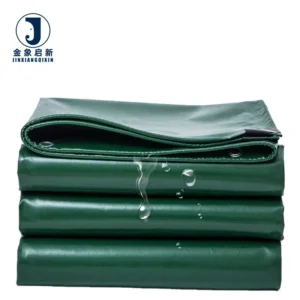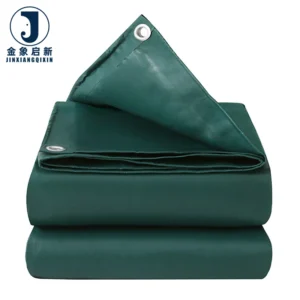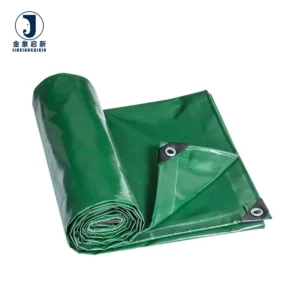


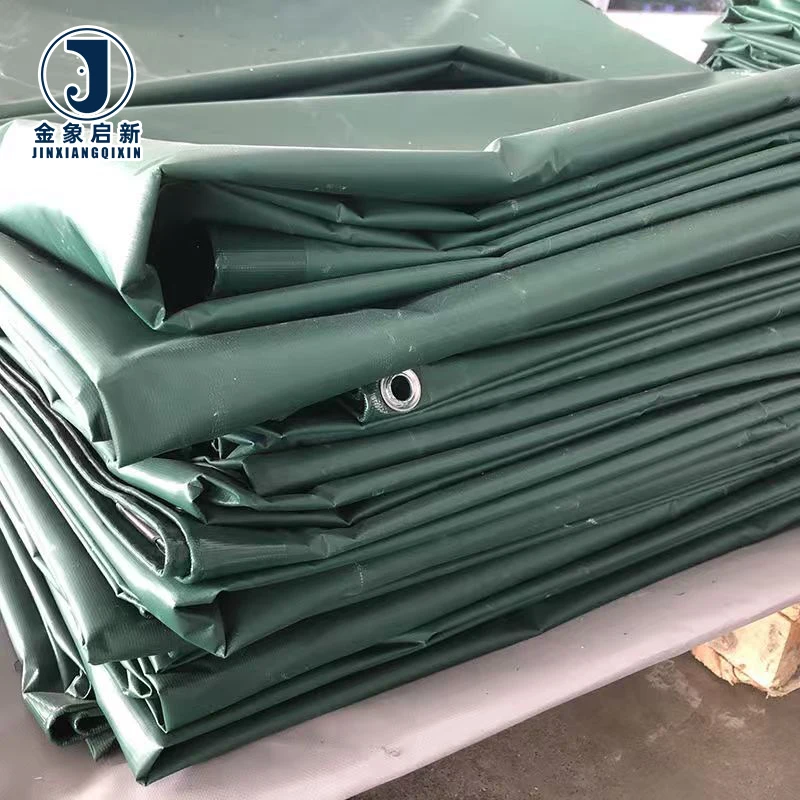
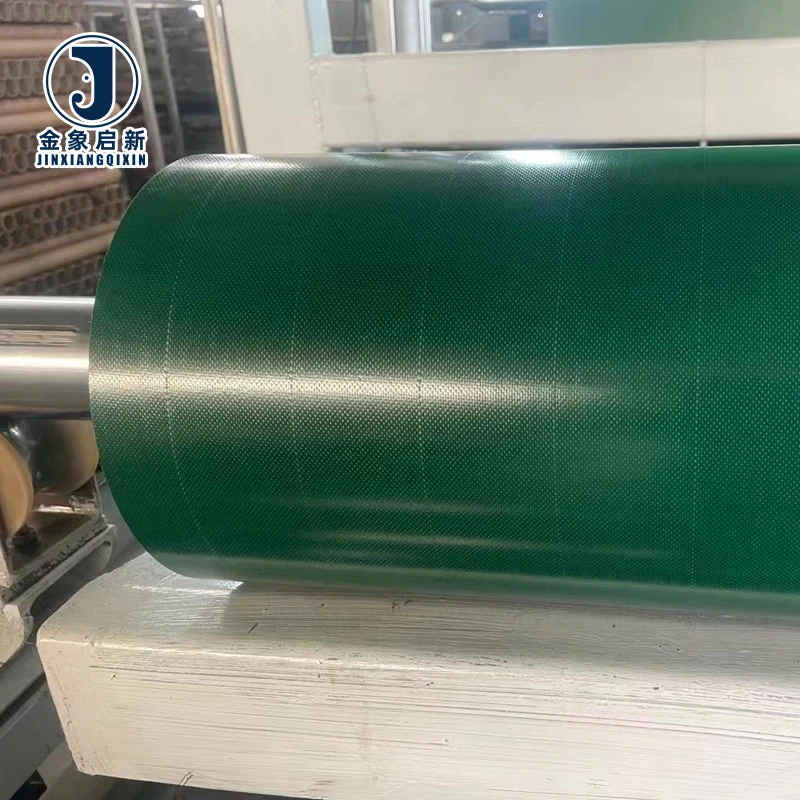
Technical Fabric Accountability — Every roll of PVC coated tarpaulin fire retardant anti-static certified industrial ventilation duct fabric is backed by a specification sheet, test report, and pre-shipment inspection record before it leaves the factory.
Technical Specifications
| Parameter | Value |
|---|---|
| Product Type | PVC Coated Tarpaulin |
| Base Fabric | 100% high toughness polyester yarn |
| Coating Method | Lamination technology and hot melt coating technology |
| Coating Material | PVC |
| Weight (GSM) | 600gsm |
| Width | 6m |
| Length | 15m |
| Thickness | 0.35-0.45 / 0.70-1.0 / 1.2-1.5 mm (grade-dependent) |
| Base Fabric Denier | 500D (medium) / 1000D (heavy) / 500D-2000D (super heavy) — confirm grade |
| Tensile Strength | Warp 1500-3000 N/5cm / Weft 1200-2800 N/5cm (grade-dependent, test standard not stated) |
| Flame Retardant | Flame retardant grades available — confirm the grade required for your market |
| Anti-Static | Anti-static treatment available — surface resistance value to be confirmed per order |
| UV Treatment | Anti-UV treatment available — test basis to be confirmed |
| Anti-Mildew | Mold proof, mildew proof |
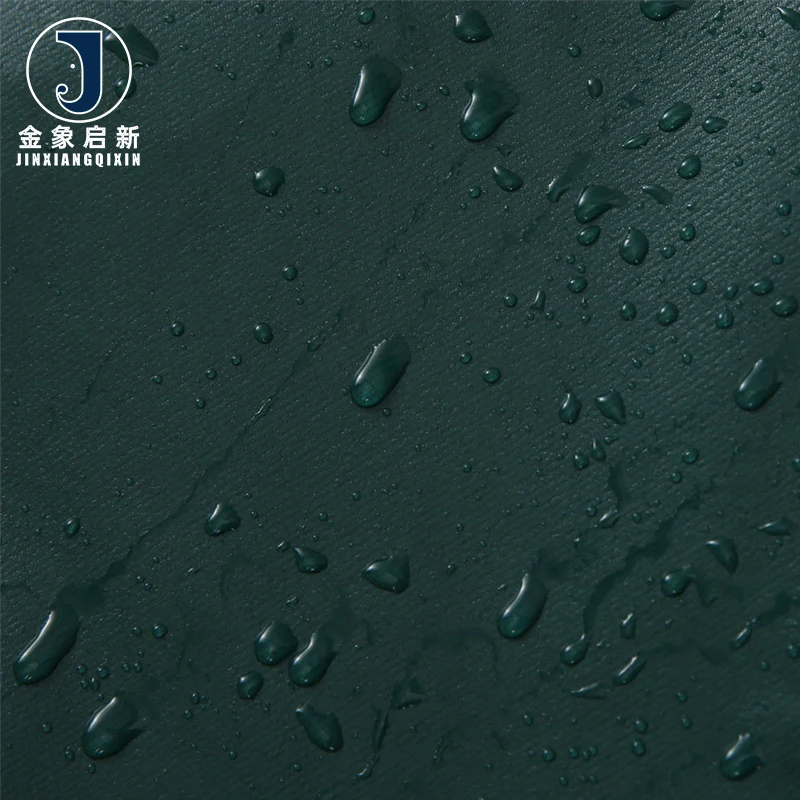
| Waterproof | Fully waterproof coated construction |
| Cold Resistance | Cold resistant cracking formulation |
| Custom Printing | Custom printing available |
| Certification | ISO, CE |
Application Suitability
| Application | Exposure & Requirement |
|---|---|
| Mining and tunnelling ventilation ducts | Constant airflow pressure, rock dust abrasion, mandatory fire-retardant and anti-static compliance for underground use |
| Aviation ground support ducting | Fuel-proximate environment requiring certified flame-retardant fabric with documented test reports |
| Inflatable and membrane structures | Sustained tension and wind load, UV exposure, structural weld integrity under dynamic movement |
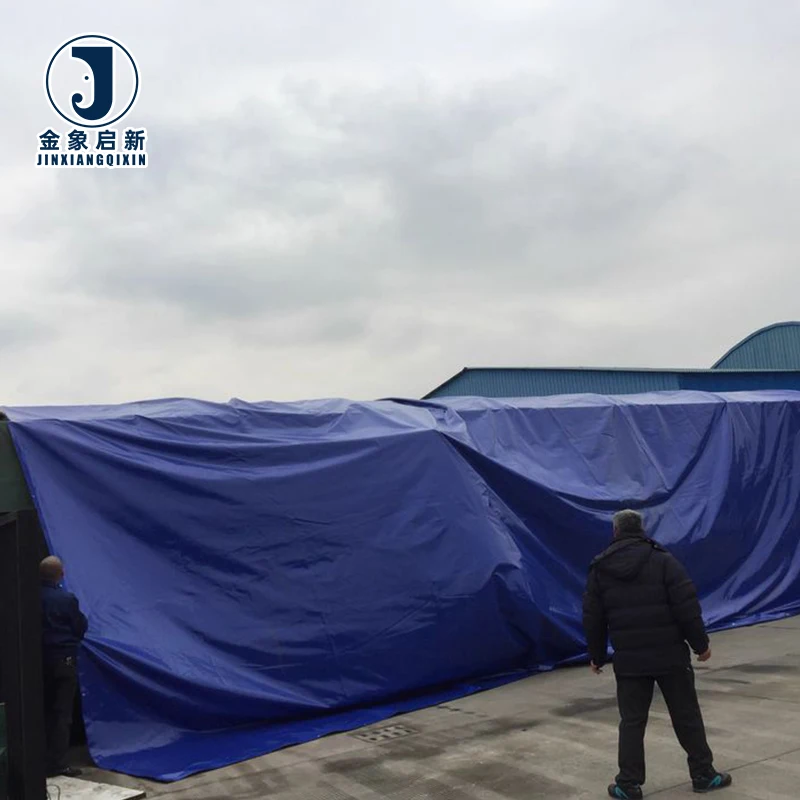
| Temporary industrial enclosures | Weather exposure, rapid deployment and teardown cycles, fire safety codes in occupied spaces |
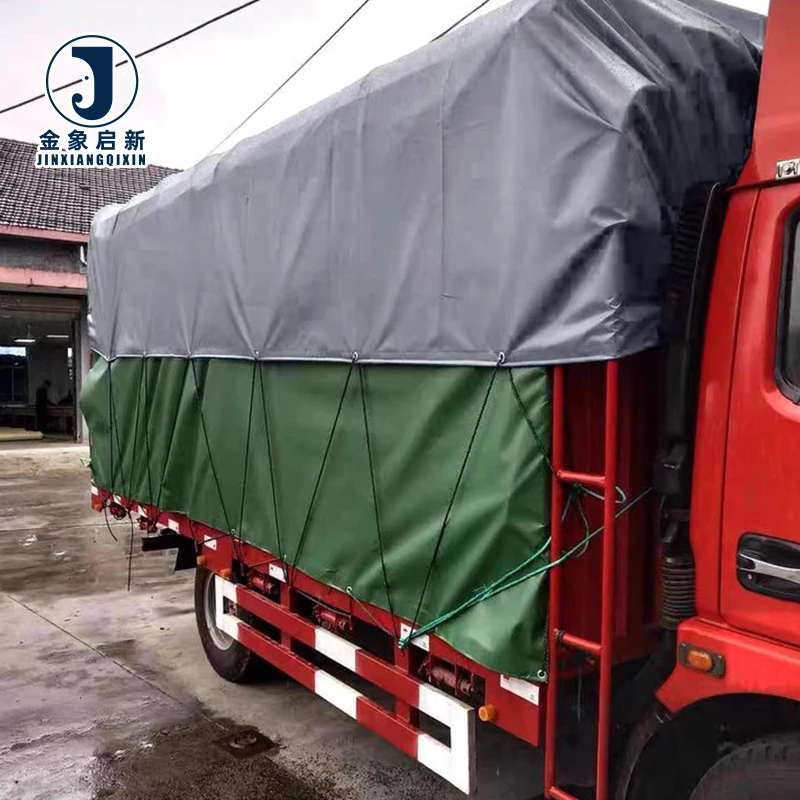
| Heavy truck tarpaulins | Road abrasion, flex fatigue at load points, weather and UV exposure over long hauls |
What Compliance Documentation Actually Means for Your Site Inspector
A ventilation duct on a regulated site is only as legal as the paperwork that accompanies it.
When a mining or tunnelling contractor orders PVC coated tarpaulin fire retardant anti-static certified industrial ventilation duct fabric, the expectation is that the roll arrives with test reports matching the site’s regulatory framework. Too often, fabric is labelled "flame retardant" without specifying which standard was used to test it — M2, B1, NFPA 701, or DIN 4102. [NEED_CITE: fire classification standards for industrial ventilation fabric] A site inspector who cannot match the certificate to the required grade will halt installation. The same applies to anti-static claims: without a measured surface resistance value, the duct cannot be approved for underground use where static discharge poses an ignition risk. We see this documentation gap cause delays that cost far more than the fabric itself.
Coating Adhesion and Duct Construction Demands
Lamination and hot melt coating technology bonds the PVC layer to the polyester base fabric under heat and pressure, producing a coating-to-yarn adhesion that resists delamination when the duct flexes under positive or negative airflow pressure. For ventilation applications, this bond integrity matters at every welded seam where two fabric panels join — a weakly adhered coating peels away from the base fabric at the weld line before the fabric itself tears. The 600gsm grade sits in a range that balances duct weight against structural rigidity for mid-diameter duct runs.
Denier Selection for Airflow and Pressure Loads
Base fabric denier choices from 500D through 2000D let you match the yarn thickness to the duct’s operating pressure and diameter. A higher denier base fabric delivers greater tensile strength in both warp and weft directions, which directly affects how well a large-diameter duct holds its shape under negative pressure without collapsing. [NEED_CITE: relationship between base fabric denier and tensile strength in coated technical textiles] For mining ventilation ducts that run hundreds of metres in length, the cumulative tension load makes denier selection a structural decision, not just a material preference. Confirm the denier grade that matches your duct diameter and fan pressure specification before placing the order.
Reading the Specification Sheet Beyond the GSM Number
The 600gsm weight tells you the mass per square metre of the coated fabric, but tensile and tear performance depend equally on the base fabric denier and weave density. Two fabrics at the same GSM can differ substantially in strength if one uses a finer yarn at higher density and the other uses a heavier yarn at lower density. The lamination coating method affects peel strength at welded seams — hot melt lamination generally produces stronger weld adhesion than cold adhesive bonding, which matters when ducts flex under pressure cycling. Anti-static and flame-retardant treatments are applied at the coating stage, and their effectiveness depends on consistent coating weight across the full 6m width. Thickness options spanning 0.35 mm to 1.5 mm correspond to different grades within this product family, each suited to different structural and airflow requirements.
The Hidden Cost of Specifying Without Test Reports
Ordering PVC coated tarpaulin fire retardant anti-static certified industrial ventilation duct fabric without locking down the specific test standard leads to a compliance gap discovered only when the site inspector asks for documentation. A duct installed underground without the correct anti-static surface resistance certificate can trigger a safety stand-down. A membrane structure fabric lacking the fire grade specified in the building permit may fail final inspection, requiring full removal and replacement. [NEED_CITE: compliance failures in industrial ventilation installations] Colour variation between rolls in the same shipment becomes visible once panels are welded side by side on a tensioned structure. These are not material defects — they are specification gaps that originate at the inquiry stage.
Why Procurement Teams Source This Fabric Here
Dedicated QA and QC inspection at every production stage means coating weight, colour consistency, and treatment application are checked before the roll is packed, not sampled after the fact. A 10-person R&D team handles material selection and sample development, allowing denier grade, treatment type, and colour to be matched to your duct or structure specification before production begins. Three full production lines with 36 sets of professional equipment support the capacity needed for large-diameter duct projects that require multiple rolls from the same production batch for colour and weight consistency. Every shipment includes a pre-shipment inspection record documenting the checks performed on your specific rolls. Samples for custom requirements are developed within days so you can verify weld performance and fabric hand before committing to a production order.
Documentation & Verification
- Material specification sheet stating 600gsm weight, base fabric denier, coating method, and colour reference
- Fire-retardant test report with grade matched to your site’s regulatory standard where applicable
- Anti-static surface resistance test certificate for underground ventilation duct applications where required
- ISO and CE certificates covering the production facility and coated fabric range
- Pre-shipment inspection record with roll-by-roll weight and visual checks documented before dispatch
- Roll packing list with batch number for traceability across multi-roll duct projects
Fabrication, Handling & Storage
- Hot air welding at temperatures matched to the PVC coating thickness ensures seam peel strength at duct flex points
- Store rolls horizontally on padded racks to prevent compression marks on the 6m wide coated surface
- Allow cold-stored rolls to reach ambient temperature before unrolling to avoid coating crack damage
- Use compatible PVC-based repair patches for field repairs on 600gsm duct panels at abrasion points
- Plan cut patterns across the 6m width to minimise welded seam count in large-diameter duct construction
- Clean with mild detergent only — solvent-based cleaners can degrade the anti-static surface treatment
What to Include in Your Inquiry
Provide the duct diameter, operating pressure, and total run length so we can recommend the correct base fabric denier and confirm the tensile grade that matches your structural requirement. Specify the fire-retardant standard and anti-static surface resistance value required by your site’s regulatory framework. Confirm whether you need rolls in standard 6m by 15m panels or custom widths and lengths to reduce on-site welding and improve fabrication yield.
Frequently Asked Questions
Q: Which fire-retardant standard applies to my ventilation duct installation?
A: The required standard depends on your site’s jurisdiction and industry sector. Mining operations typically require a specific flame propagation classification, while aviation and construction applications may reference different codes. Confirm the exact standard — such as M2, B1, NFPA 701, or DIN 4102 — with your site safety officer before ordering so the correct test report can be supplied with your rolls.
Q: What surface resistance value is needed for anti-static ventilation duct fabric?
A: Underground mining and tunnelling applications generally require a measured surface resistance within a defined range to prevent static discharge hazards. The exact value depends on your site’s safety regulations. Specify the required surface resistance in your inquiry so the anti-static treatment can be formulated and tested to match before production.
Q: How does fabric weight and tensile strength relate to duct diameter and airflow pressure?
A: Larger duct diameters and higher fan pressures place greater tension on the fabric shell, requiring higher tensile strength in both warp and weft directions. The 600gsm grade combined with the appropriate base fabric denier provides the structural capacity for mid-range duct applications. Provide your duct diameter and operating pressure so we can confirm the suitable denier and strength grade.
Q: How are welded seams tested for air-tightness and peel strength?
A: Welded seams on PVC coated fabric are evaluated through peel strength testing that measures the force required to separate the coating from the base fabric at the weld line. Air-tightness is verified by checking for leaks under pressure. Our pre-shipment inspection includes seam integrity checks on fabricated samples to confirm weld performance matches the duct’s operating conditions.
Q: What certificates and test reports ship with each roll order?
A: Each shipment includes a material specification sheet, ISO and CE certificates, a pre-shipment inspection record, and a roll packing list. Fire-retardant test reports and anti-static surface resistance certificates are provided when these treatments are specified in the order. Confirm your documentation requirements at the inquiry stage so all reports are prepared before dispatch.