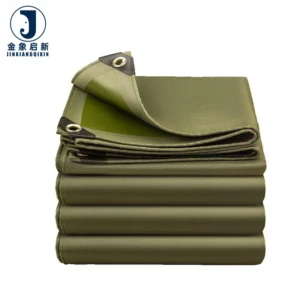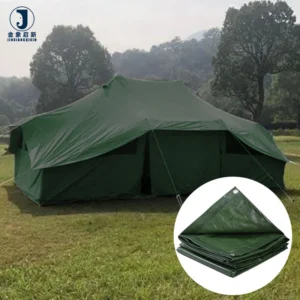


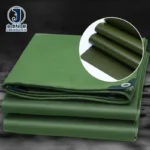
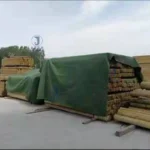
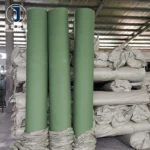
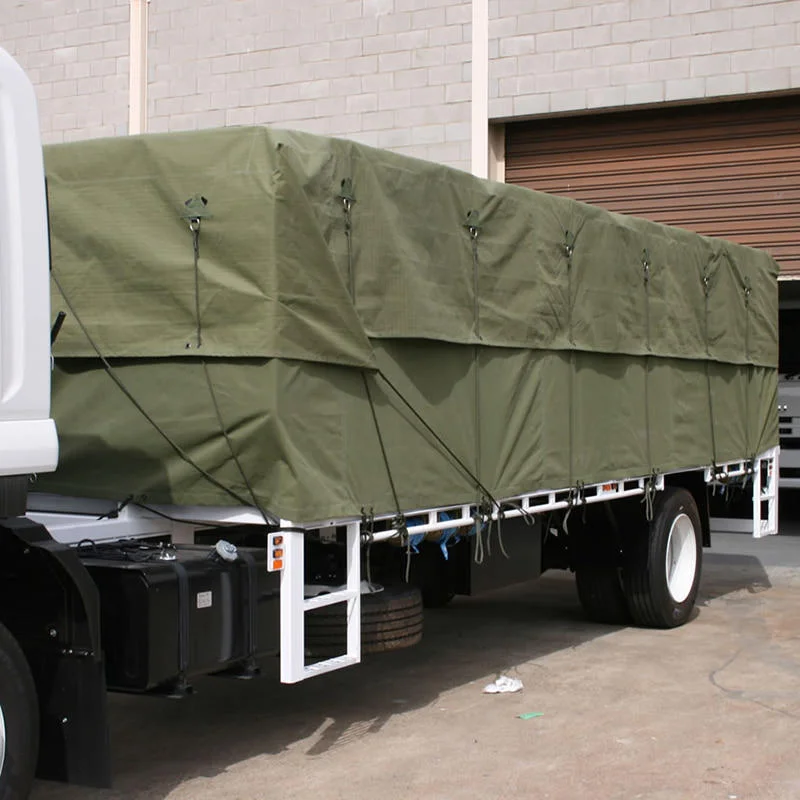
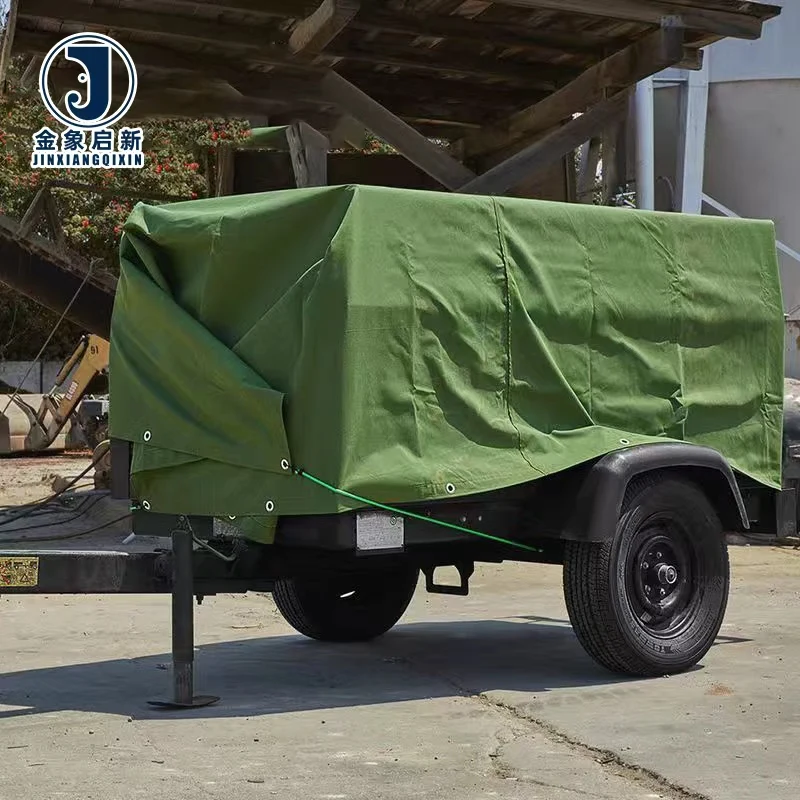
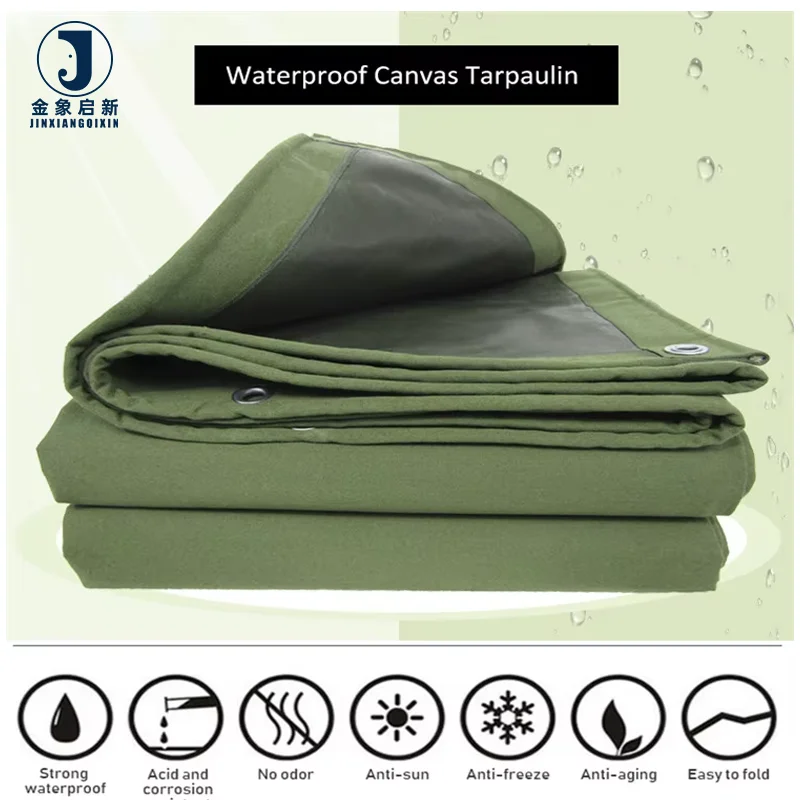
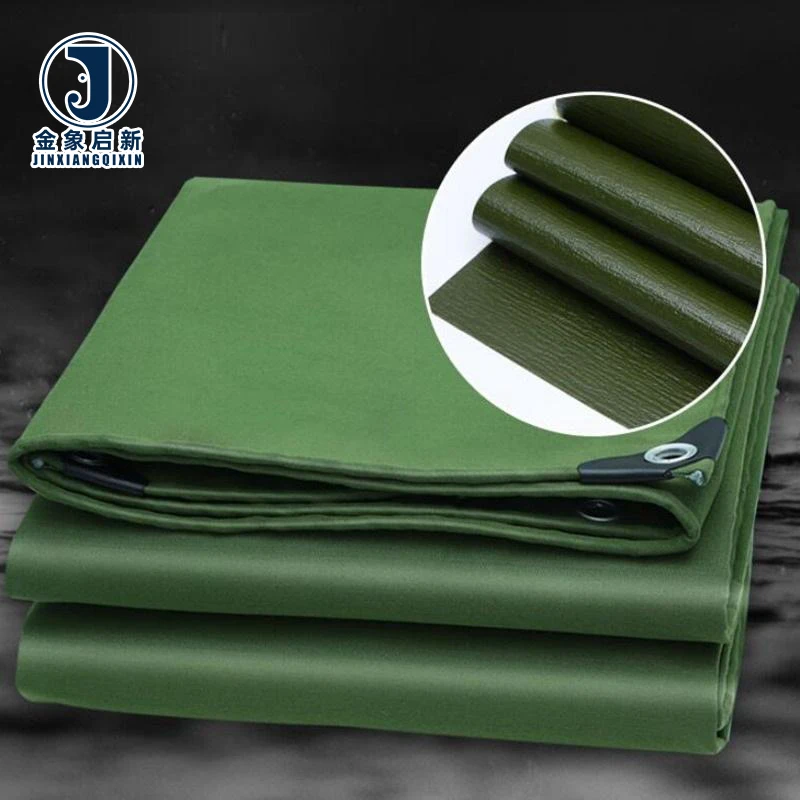
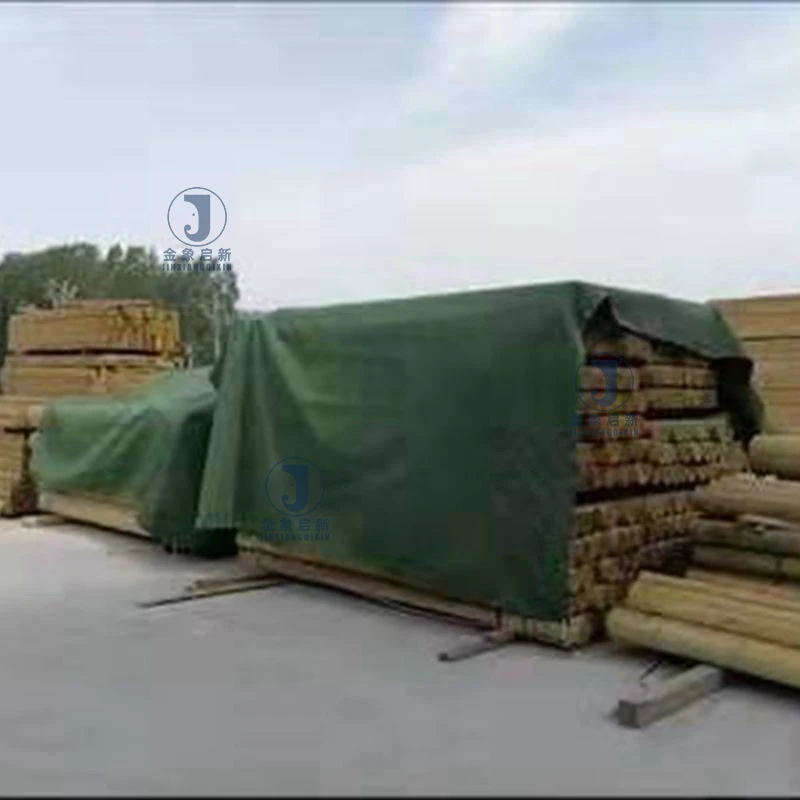
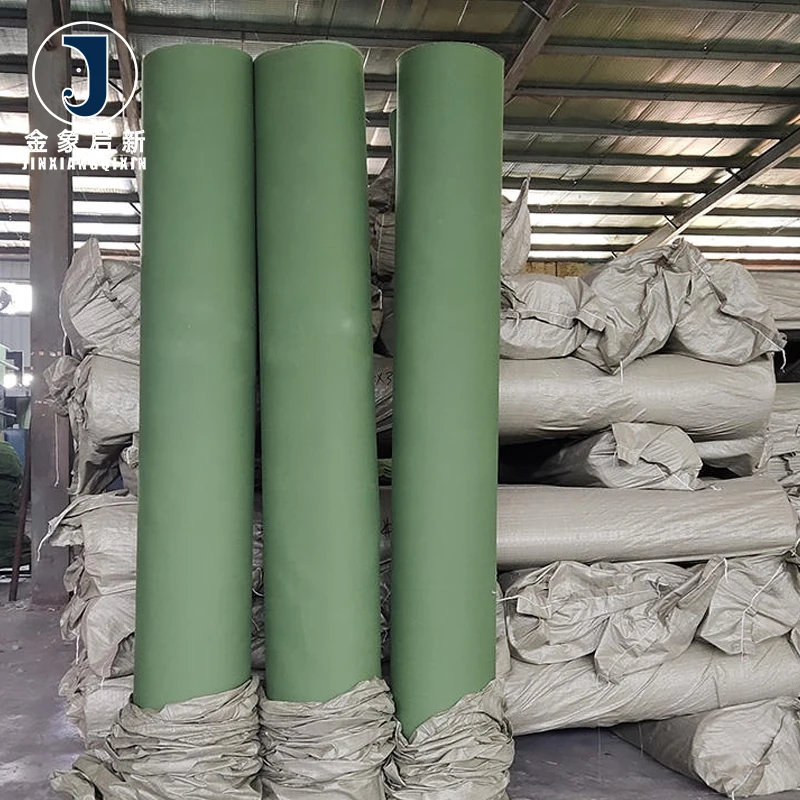
Proven Coating Adhesion — Three full production lines with in-process QA deliver silicone-coated canvas truck tarps where coating weight and bond integrity hold up under daily retractable system use.
Technical Specifications
| Parameter | Value |
|---|---|
| Product Type | Retractable Vinyl Canvas Truck Tarps Cover |
| Material | Silicone canvas tarpaulin |
| Weight Range | 250gms–600gms (confirm grade required for your application) |
| Waterproof | Yes |
| Wear-resistant | Yes |
| Scratch Resistant | Yes |
| Tensile Resistant | Yes (grade not stated — request test report) |
| Flame Retardant | Available in flame retardant grades — confirm the grade required for your market |
| UV Treatment | Available with UV treatment — confirm test basis for your region |
| Edge Finishing | Edge wrapping, punching, buttonhole |
| Color | Customizable |
| Standards | ISO, CE |
Application Suitability
| Application | Exposure & Requirement |
|---|---|
| Flatbed trailer cargo cover | Wind load, road debris abrasion, repeated flexing over load edges |
| Curtain-side trailer system | Constant roller-track friction, daily deployment and retraction cycles |
| Tricycle cargo tarpaulin | Compact folding, frequent manual handling, urban weather exposure |
| Retractable tarp mechanism integration | Precise buttonhole alignment, edge wear at roller contact points |
Why a Generic Truck Tarp Fails Before the Fabric Does
Most early tarp failures on moving loads trace back to poor fit and weak edge finishing, not the base fabric itself.
A custom retractable truck tarpaulin that matches your trailer’s exact bed dimensions and tie-down rail pattern eliminates the flapping, abrasion, and load exposure caused by generic-size covers. When a tarp is cut too large, excess material catches wind at speed, transferring destructive force to the welded seams and buttonholes. When it is cut too small, tension concentrates at the edges, pulling eyelets through the hem before the fabric itself reaches its tensile limit [NEED_CITE: tensile and tear test methods for coated fabrics per ISO 1421]. The silicone-coated canvas construction addresses the fabric side of the equation, but the edge wrapping, punching, and buttonhole placement determine whether the tarp survives the first season of daily retraction cycles. Fleet operators who switch from stock-size tarps to model-specific cut dimensions typically see a measurable reduction in replacement frequency, because the load transfer path is managed from the fabric centre all the way out to the tie-down point.
Matching the Tarp to the Trailer Roller Mechanism
A retractable tarp system places unique demands on fabric edges. The roller track applies continuous friction along the buttonhole line, and any misalignment between punched hole spacing and the rail mounting pattern accelerates local wear. This custom retractable truck tarpaulin is cut and finished to match specific trailer model dimensions, with buttonhole positions set to align with your existing tie-down rail layout. Edge wrapping reinforces the high-contact zones where the tarp enters and exits the roller housing, preventing the fraying that generic tarps develop within months of installation.
Coating Adhesion Under Repeated Flex Cycles
Silicone-coated canvas resists delamination better than standard PVC when the fabric bends repeatedly around load edges and roller mechanisms. The coating bonds to the base weave through a controlled application process, and maintaining that bond across thousands of flex cycles is where process control matters. Each production run passes through dedicated QA stages that check coating adhesion and surface integrity before the tarp moves to cutting and finishing [NEED_CITE: coating adhesion test methods for industrial fabrics]. The silicone surface also sheds road grime and resists scratching during loading and unloading, keeping the tarp functional and presentable across mixed-load routes.
Reading the Specification Sheet Beyond GSM
The 250gms–600gms weight range available across this product family lets buyers select a grade matched to their route exposure and load type, but GSM alone does not define field performance. Tensile resistance depends on the base fabric denier and weave density working together with the coating weight. A lighter silicone-coated canvas with a high-density base weave can outperform a heavier fabric with a loose weave, because the yarn structure carries the tensile load while the coating provides waterproofing and surface protection. Edge finishing quality — whether the hem is folded and welded or simply heat-cut — determines where stress concentrates when the tarp is tensioned across a load. Always request the material specification sheet stating base fabric construction and coating weight separately, rather than relying on a single GSM figure to compare options [NEED_CITE: relationship between base fabric weave and tensile strength in coated textiles].
The Hidden Cost of Skipping the Sample Stage
When a fleet orders custom-sized tarps without approving a physical sample first, the risk is not just colour mismatch — it is discovering after delivery that the buttonhole spacing does not match the trailer rail, or that the edge wrapping method cannot withstand the roller mechanism’s friction pattern. Batch colour inconsistency across multiple covers in a single order becomes visible only once the tarps are installed side by side on parked trailers, turning a routine delivery into a fleet-wide aesthetic problem [NEED_CITE: batch-to-batch colour variation in coated fabric production]. A pre-production sample cut to your trailer’s exact pattern, with edge finishing and buttonhole placement confirmed, eliminates these failures before the full production run begins.
Why Source This Tarp From Jinxiang
Deep process control over silicone coating weight and adhesion comes from nearly 30 years of focused coated-fabric production, giving this retractable truck tarpaulin consistent performance across every roll. Three full production lines and 36 sets of professional equipment support bulk orders without compromising on-time delivery for fleet-scale quantities. A 10-person R&D team handles pattern development for specific trailer models, custom sizing, and sample turnaround within days rather than weeks. Dedicated QA and QC inspection at every production stage, with 100% pre-shipment checking, catches seam and edge-finishing defects before they reach your dock. ISO and CE certification underpins the documentation package that accompanies each shipment, supporting compliance checks at your receiving facility.
Documentation & Verification
- Material specification sheet stating silicone coating weight, base fabric construction, and colour reference per roll
- Pre-shipment inspection record confirming GSM verification and edge wrapping quality before dispatch
- Test report for UV and flame retardant grades where applicable to your market requirements
- Roll packing list with piece count and dimension summary for receiving verification
- Certificate of origin and customs documentation supporting international freight clearance
Fabrication, Handling & Storage
- Seal punched buttonhole edges with heat to prevent fraying on silicone-coated canvas during installation
- Store rolls flat and avoid stacking heavy loads on top to prevent permanent creasing in the 250gms–600gms fabric
- Use mild detergent and soft brush for cleaning; avoid solvents that degrade the silicone coating surface
- Inspect edge wrapping integrity at roller contact points before deploying on retractable tarp systems
- Allow fabric to acclimatise to ambient temperature before unrolling in cold conditions to reduce stiffness
What to Include With Your Enquiry
Provide your trailer make and model, bed dimensions, and the roller track width so the tarp pattern matches your hardware precisely. Specify the GSM grade you need based on your typical route exposure, and confirm whether flame retardant or UV treatment grades are required for your operating region. Indicate your annual volume and whether you need finished tarps with buttonholes or roll stock for in-house fabrication.
Frequently Asked Questions
Q: How is the GSM of the truck tarpaulin verified before shipment?
A: Every production run undergoes dedicated QA inspection where coating weight is measured against the stated GSM on the quotation. A pre-shipment inspection record documents the actual weight per roll, so you can confirm on arrival that the silicone-coated canvas matches the grade you ordered.
Q: Can the tarp be cut to fit my specific trailer model?
A: Yes. Provide your trailer make, model, and bed dimensions along with the roller track width and tie-down rail pattern. The pattern is developed and confirmed on a pre-production sample before the full order is cut, ensuring buttonhole positions and edge wrapping align with your hardware.
Q: What edge reinforcement options are available for high-flex zones?
A: Edge wrapping, punching, and buttonhole finishing are all available. For areas near the roller mechanism where friction is highest, reinforced edge wrapping is applied to prevent fraying. Buttonhole spacing is set to match your existing tie-down rail pattern, distributing tension evenly across the tarp perimeter.
Q: How is batch colour consistency controlled across multiple covers?
A: Each production batch goes through colour QA inspection before dispatch. Rolls in the same order are checked side by side to confirm consistency, and the material specification sheet includes a colour reference so you can verify match on receipt against your fleet standard.
Q: What lead time applies to custom-sized tarps with branded printing?
A: Lead times depend on order volume, custom dimensions, and whether pattern printing is included. Request a quotation with your trailer pattern and quantity, and the response will include a confirmed production schedule. Sample development for fit verification is typically completed within days.