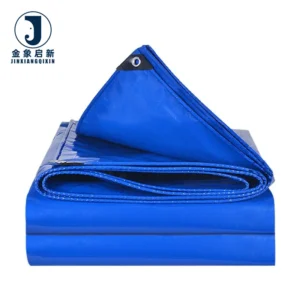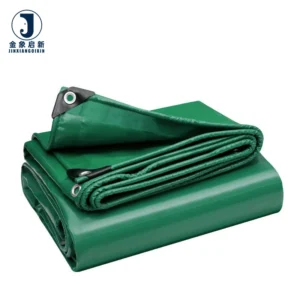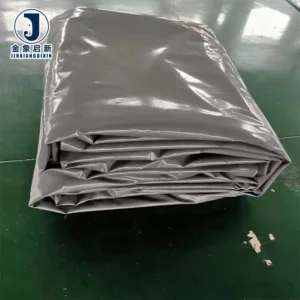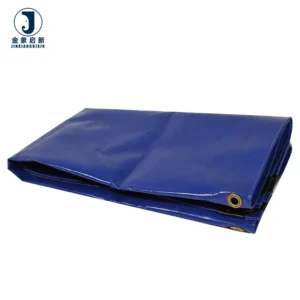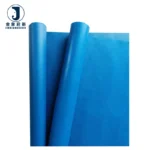
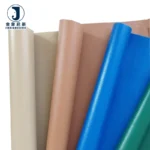
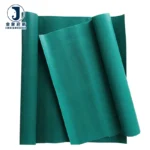
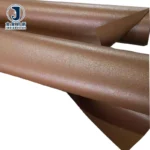
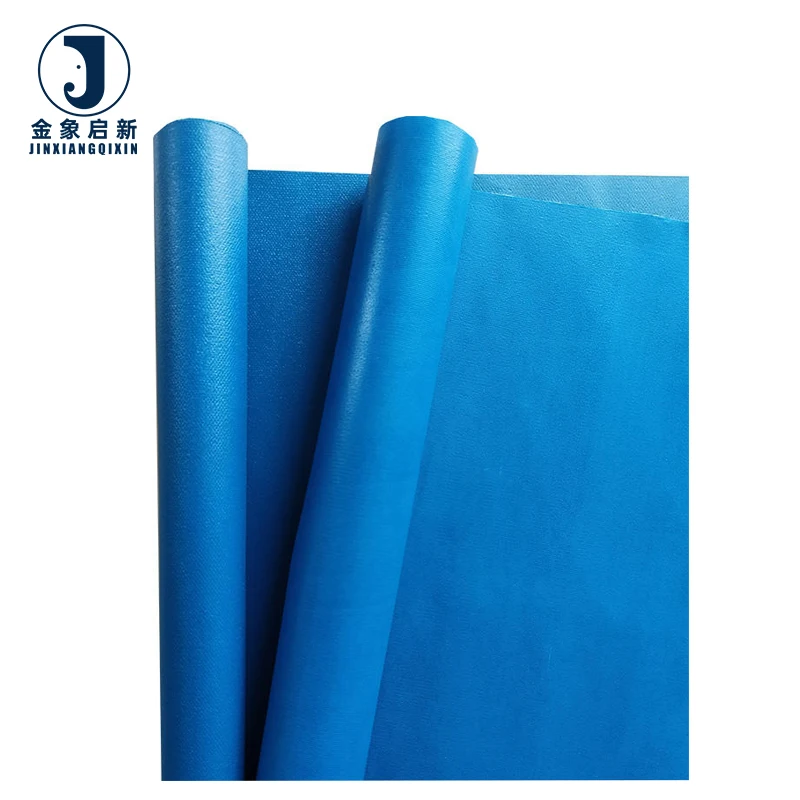
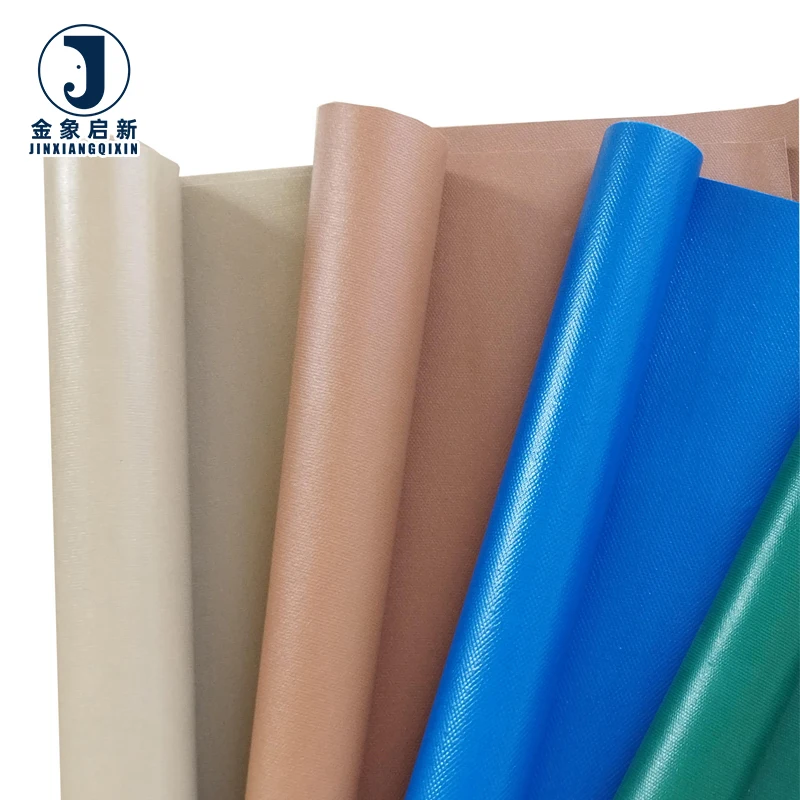
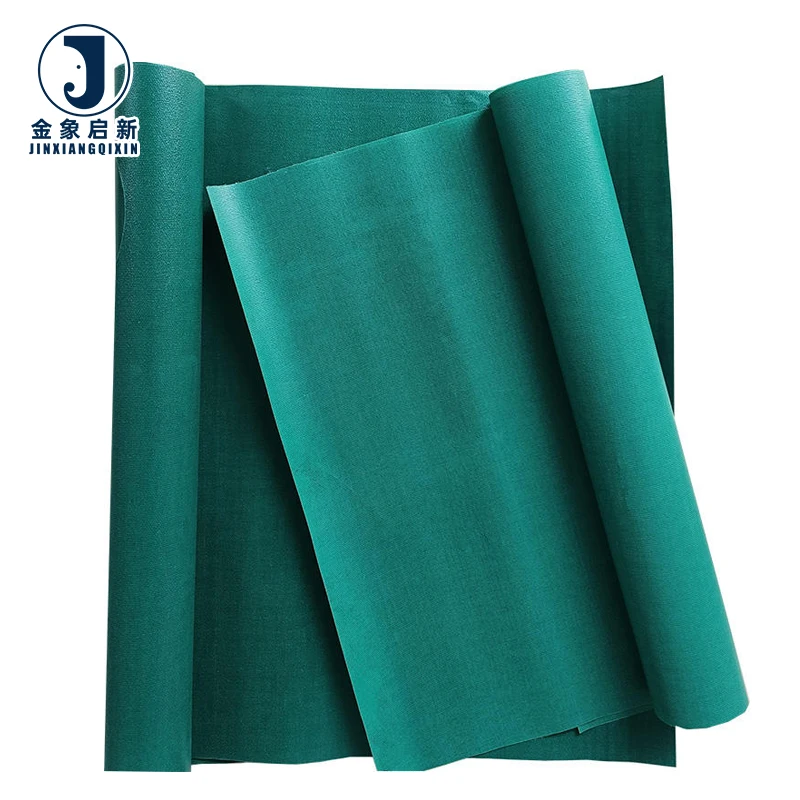
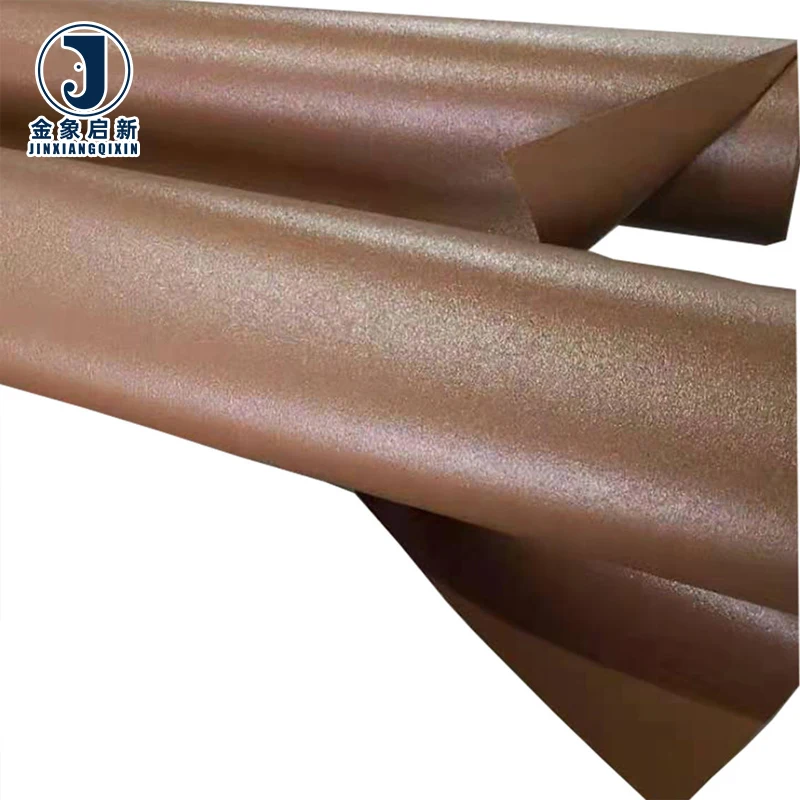
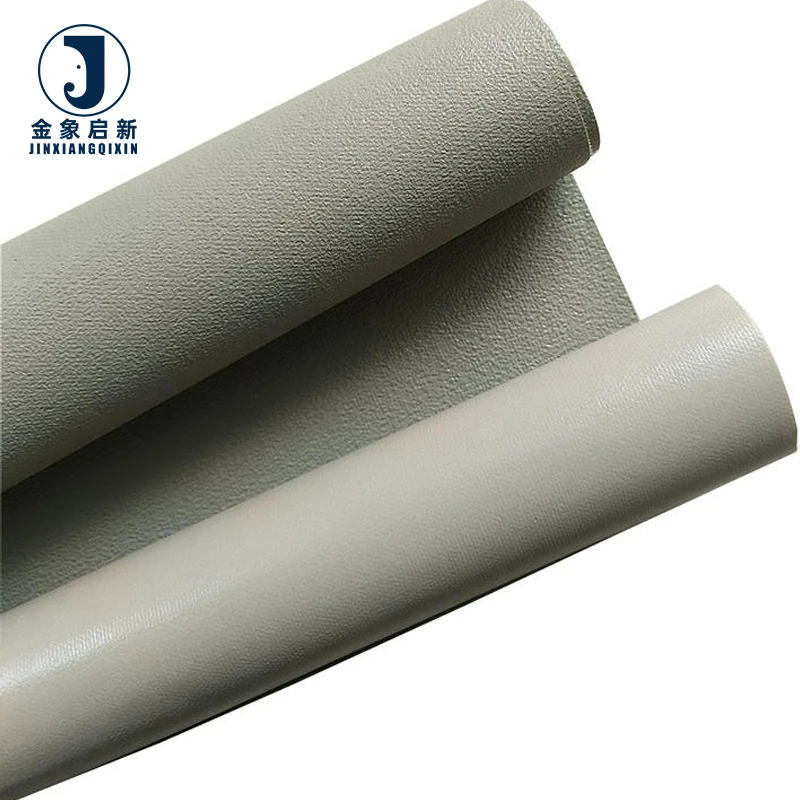
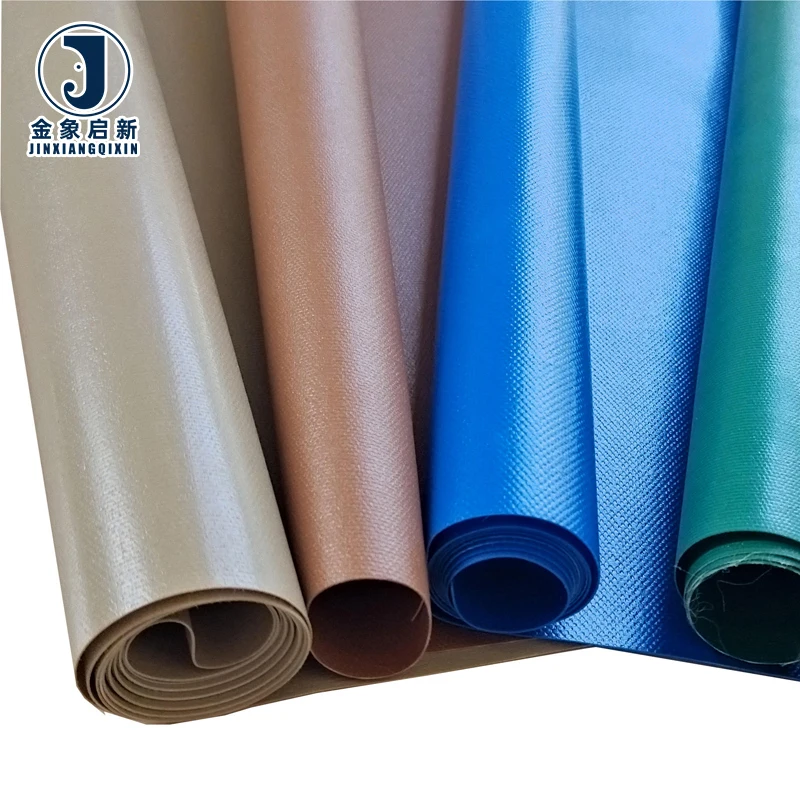
Fireproof PVC Tarpaulin 500gsm 600gsm for Truck Cargo Cover – Certified Grade
Verified Grade Compliance — Every roll of Fire Retardant PVC Coated Tarpaulin certified ships with a test report matching the specified flame retardant grade, ensuring site safety audits pass on the first inspection.
Technical Specifications
| Parameter | Value |
|---|---|
| Product Type | PVC Coated Tarpaulin |
| Specification | 500gsm 600gsm |
| Base Material | PVC Coated Fabric |
| Finish | Custom available |
| Flame Retardant | Available (grade not stated — confirm required standard such as DIN 4102 B1 or NFPA 701) |
| Anti-Static | Available (surface resistivity standard not stated) |
| Anti-Cold | Available |
| Anti-Mildew | Available |
| Waterproof | Yes |
| Key Features | Fire safety compliance, static control, mildew and cold resistance, waterproof construction |
Application Suitability
| Application | Exposure & Requirement |
|---|---|
| Fire-retardant ventilation duct | Continuous airflow, underground heat, mandatory flame retardant certification |
| Anti-static aviation ground covers | Proximity to fuel handling, static discharge risk, surface resistivity control |
| Mining and tunnelling enclosures | Confined spaces, regulatory fire safety audits, abrasion from equipment contact |
| Hazardous material cargo covers | Regulated transport routes, mandatory flame retardant compliance, weather exposure |
What Compliance Gaps Cost When Certification Is Missing
A fire retardant PVC coated tarpaulin without the matching test report is a liability, not a solution.
Procurement teams regularly receive fabric quoted as "flame retardant" only to discover at site inspection that no test report accompanies the roll, or that the grade does not match the standard required by local safety regulations. This gap forces project delays, re-procurement cycles, and in the worst cases, site shutdowns until compliant material arrives [NEED_CITE: site safety audit requirements for temporary industrial enclosures]. The cost of a delayed mining ventilation installation or a rejected transport load far exceeds the effort of specifying the correct grade upfront and demanding documentation before dispatch.
Matching Treatment to the Regulatory Environment
Different markets and industries enforce distinct fire safety frameworks. A mining ventilation duct in Australia may require compliance with a different flame retardant standard than a construction enclosure in the European Union. This Fire Retardant PVC Coated Tarpaulin certified is available with treatment options aligned to regional requirements, but the specific grade must be confirmed during the specification stage. Ordering without referencing the applicable standard leaves compliance to chance.
Anti-Static Performance Where Discharge Is a Hazard
In aviation ground support and fuel-adjacent structures, static accumulation on fabric surfaces creates a measurable ignition risk. The anti-static treatment available for this PVC coated fabric addresses surface resistivity control, though the target resistance value should be defined by the end-use safety engineer. Combining anti-static and flame retardant treatments in a single roll is possible — confirm compatibility and test documentation requirements before placing a bulk order [NEED_CITE: anti-static surface resistance measurement standards for coated fabrics].
Reading the Weight and Treatment Specifications Together
The 500gsm and 600gsm grades define the areal density of the coated fabric, which correlates with tensile and tear capacity but does not determine it alone — base fabric denier and weave density share that role. A heavier coating adds abrasion resistance and waterproofing reliability, while the structural strength depends on the polyester or nylon substrate beneath. Treatment options such as flame retardant, anti-static, anti-mildew, and anti-cold are applied during or after coating and each alters the surface chemistry. Understanding how these treatments interact with heat-seaming parameters is critical: a flame retardant additive can shift the optimal welding temperature, and an anti-static surface layer may respond differently to solvent-based adhesives used in fabrication.
The Hidden Cost of Undocumented Treatment Claims
When a roll arrives without verifiable test documentation, the buyer faces a choice: install material that may not meet the regulatory standard, or halt the project and source replacement fabric. Flame retardant grades vary significantly — a B1 classification per DIN 4102 does not satisfy an NFPA 701 requirement, and an anti-static claim without a measured surface resistance value cannot be entered into a safety file. These documentation gaps are discovered at the worst possible moment, when the material is already on site and the installation deadline has arrived [NEED_CITE: consequences of non-compliant fabric in regulated industrial environments]. Batch-to-batch variation in treatment concentration can also mean that a sample approved in the lab does not match the production roll delivered weeks later.
Why Procurement Teams Source This Fabric Here
Production control over coating weight and treatment application ensures that the GSM stated on the quotation is the GSM measured on arrival. Three full production lines and 36 sets of professional equipment support volume consistency across multiple rolls in a single order. The 10-person R&D team handles specification matching, including confirming which flame retardant or anti-static grade aligns with the buyer’s market requirement. Dedicated QA/QC runs at every production stage, with 100% pre-shipment inspection verifying weight, treatment presence, and visual consistency before any roll is dispatched.
Documentation & Verification
- Test report for flame retardant grade provided per batch matching the quoted standard
- Anti-static surface resistance measurement recorded on the material specification sheet
- Weight verification per roll against the stated 500gsm or 600gsm before dispatch
- Certificate of origin and customs documentation included with every shipment
- Pre-shipment inspection record confirming visual and dimensional consistency
Fabrication, Handling & Storage
- Heat-seam temperature profiles should be adjusted for flame retardant treated 500gsm or 600gsm grades
- Store rolls upright on pallets to prevent permanent creasing of the PVC coated surface
- Anti-mildew treated fabric still requires dry storage to maintain treatment effectiveness
- Cold-weather handling: anti-cold treated rolls remain flexible but should be unrolled gradually
- Cut edges on 500gsm and 600gsm grades should be sealed to prevent moisture ingress at the base fabric
- Solvent-based adhesive compatibility should be tested on anti-static treated surfaces before full application
Specifying the Right Grade for Your Compliance Framework
Provide the fire safety standard enforced at your installation site or along your transport route, along with the intended application and environmental exposure conditions. Specify whether you require rolls at standard width or custom dimensions for duct fabrication or cover production. Confirm whether sample approval with full test documentation is needed before committing to bulk volume.
Frequently Asked Questions
Q: What fire retardant grade does my mining or tunnelling site require and how is it tested?
A: The required grade depends on local mining regulations and the specific authority having jurisdiction. Common standards include DIN 4102 B1 and region-specific mining codes. Request the applicable standard from your site safety officer, then confirm that the test report provided with the fabric matches that exact classification before approving the order.
Q: How is anti-static performance measured and what surface resistance value applies?
A: Anti-static performance is measured by surface resistivity, typically expressed in ohms per square. The target value depends on the hazard classification of the environment — aviation fuel handling areas require different thresholds than general industrial spaces. Specify the required resistance range during inquiry so the treatment formulation can be matched accordingly.
Q: Can I order a sample with both flame retardant and anti-static treatment before a full order?
A: Yes, samples combining multiple treatments can be developed for evaluation. Provide the specific flame retardant grade and anti-static resistance value required so the sample reflects the production formulation. Sample approval with accompanying test documentation is recommended before bulk roll commitment.
Q: How do you verify the treatment claimed on the quotation is present in the delivered roll?
A: Every roll undergoes 100% pre-shipment inspection with GSM verification against the quoted value. Flame retardant and anti-static treatments are documented through batch-specific test reports that travel with the shipment, allowing site inspectors to confirm compliance against the original specification.
Q: What documentation accompanies the shipment to satisfy site safety auditors?
A: Each dispatch includes a material specification sheet stating GSM and treatment details, a test report matching the specified flame retardant or anti-static grade, a pre-shipment inspection record, a certificate of origin, and customs documentation. This package is structured to meet the evidentiary requirements of industrial safety audits.