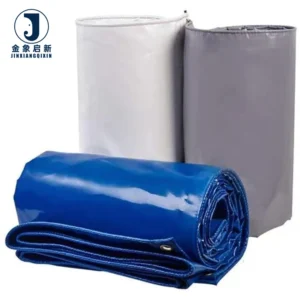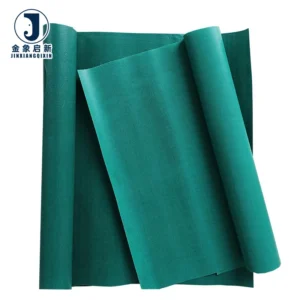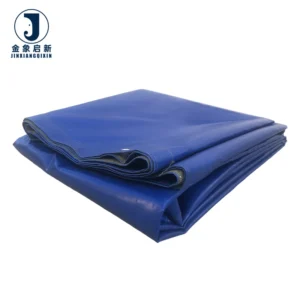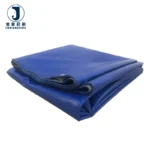
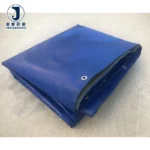
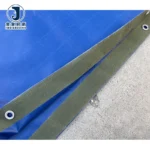
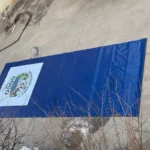
Coating Weight Control — Every roll of 500gsm PVC laminated tarpaulin is verified at the production stage against the quoted specification, not assumed from batch averages.
Technical Specifications
| Parameter | Value |
|---|---|
| Product Type | PVC Tarpaulin Roll |
| Weight | 500gsm |
| Base Fabric Denier | 1000D |
| Coating Method | Laminated |
| Coating Material | PVC |
| Waterproof Rating | Anti-permeable ≥20KPa |
| Flame Retardant | ≤10 seconds ignition extinguish time (standard not stated — confirm grade required for your market) |
| Low-Temperature Flexibility | Remains flexible at -30°C |
| Anti-Mildew | Mildew proofing properties claimed (test basis not stated) |
| UV Treatment | Available — confirm anti-UV test basis before specifying for long-term exposure |
| Seaming Method | High-frequency heat combined |
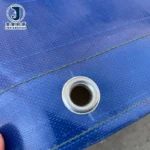
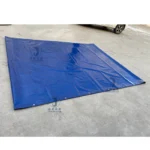
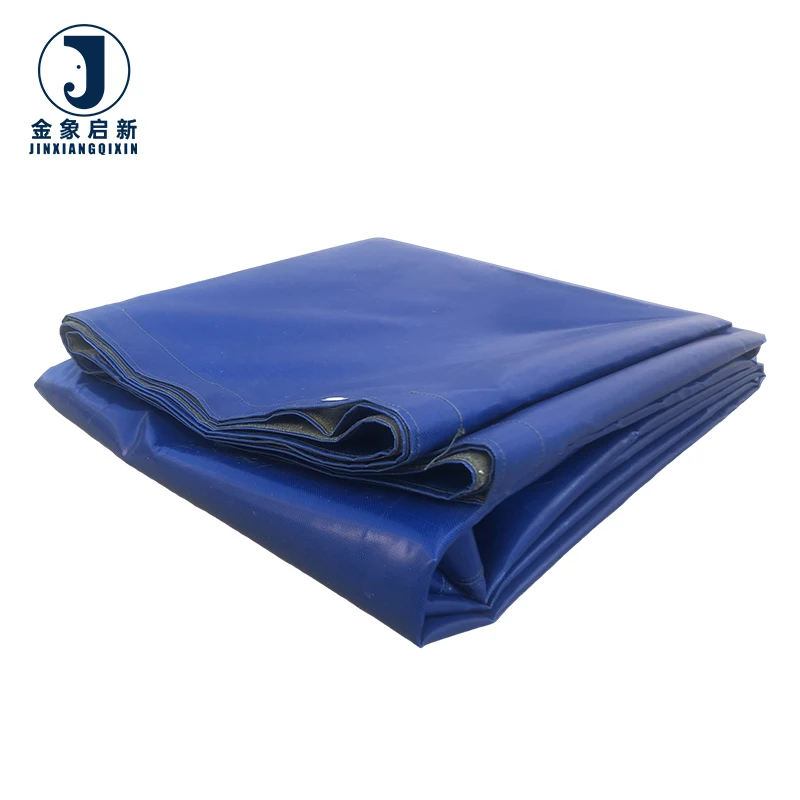
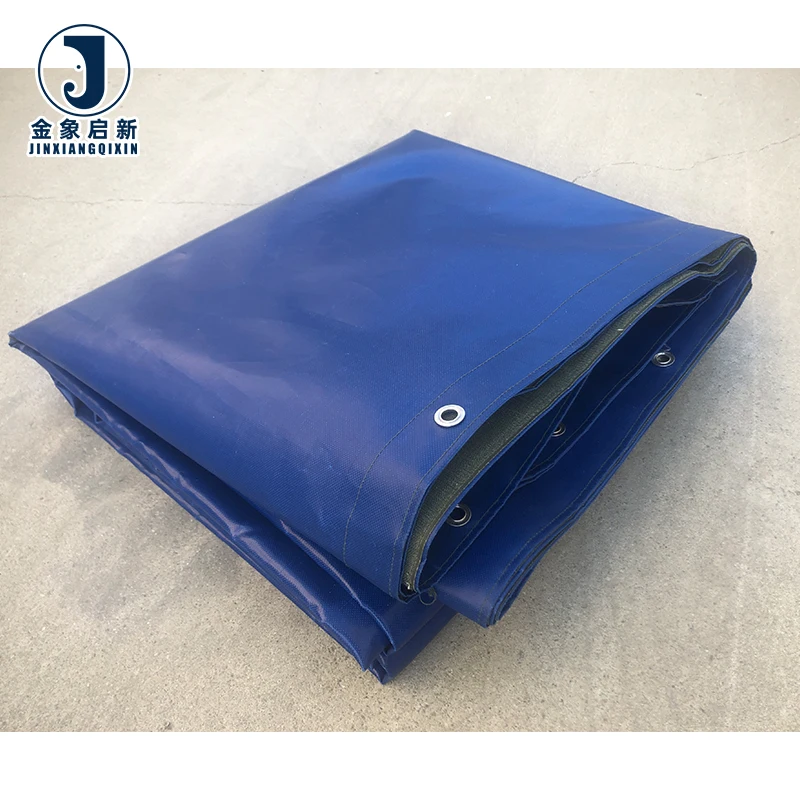
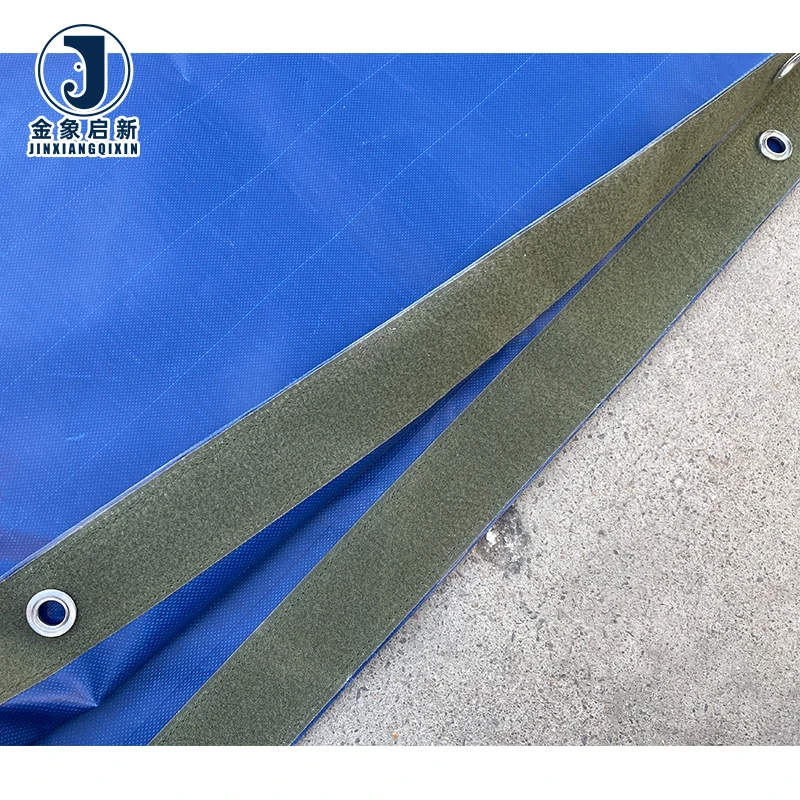
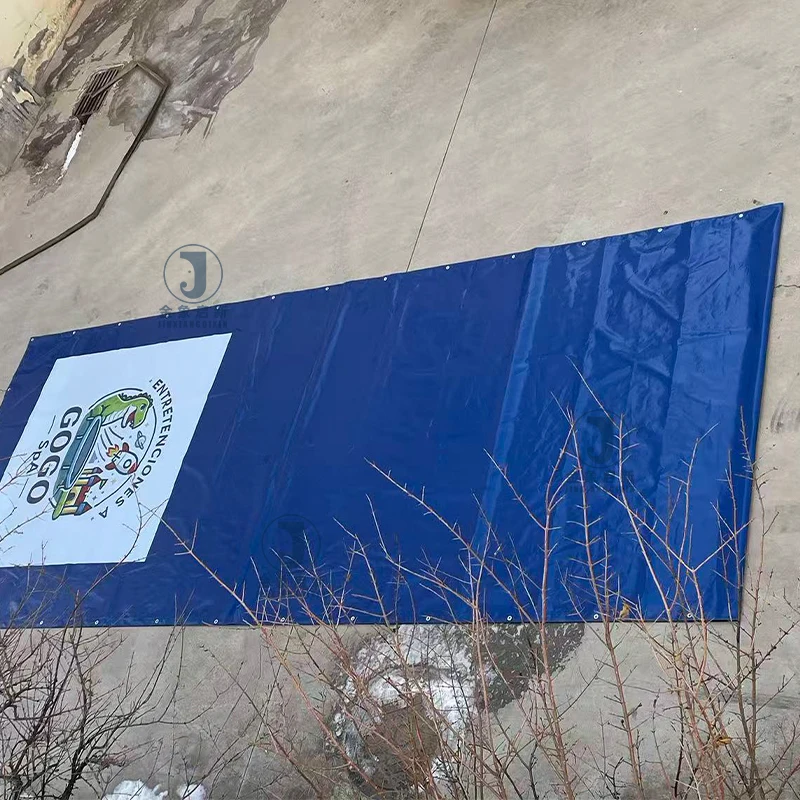
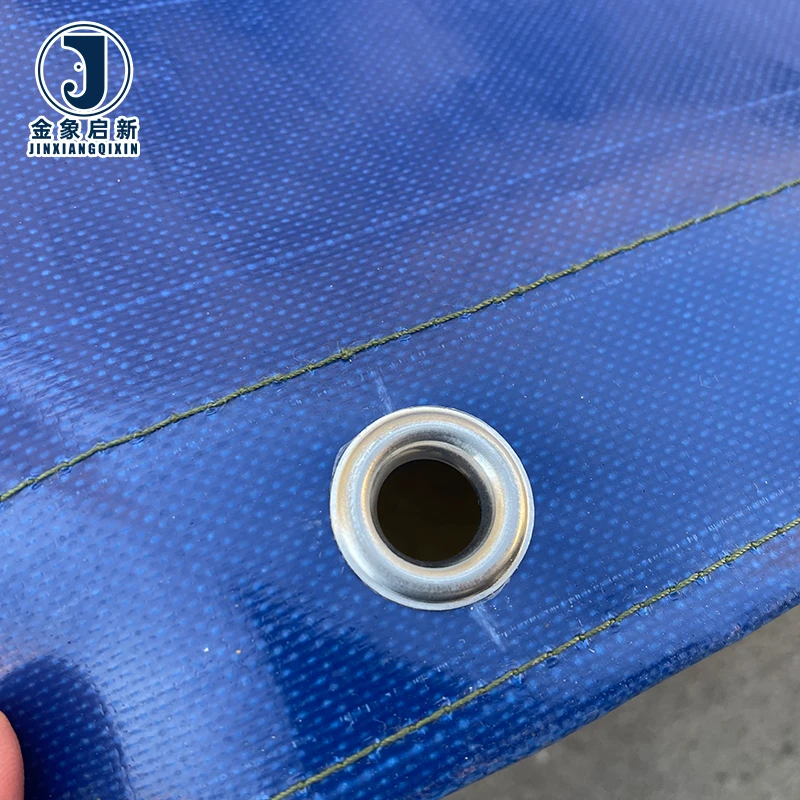
| Customisation | Width, length, colour, eyelets, reinforced hems, pattern printing available |
Application Suitability
| Application | Exposure & Requirement |
|---|---|
| Temporary membrane structures | Wind loading, UV exposure, verified flame retardant compliance for enclosed public spaces |
| Inflatable enclosures | Internal air pressure stress, repeated inflation cycles, airtight seam integrity |
| Mining site shelters | Dust ingress, chemical splash, low-temperature deployment in high-altitude operations |
| Tunnelling staging covers | Heavy equipment abrasion, groundwater exposure, fire-safety compliance underground |
| Construction equipment wraps | Outdoor weathering, handling damage during transport, mildew in humid storage |
Why GSM Alone Does Not Tell You How Strong the Fabric Is
Tensile and tear performance depend on the base fabric weave and denier working together with the 500gsm coating weight, not on coating mass alone.
Technical buyers specifying PVC laminated tarpaulin 500gsm for membrane or enclosure work often receive material that meets the weight target but underperforms on tear propagation because the base fabric construction was not verified alongside the GSM. A laminated coating adds mass and waterproofing but contributes less to structural load-bearing than the underlying yarn system. When a specification sheet states only the coating weight without the base denier and weave density, the buyer cannot predict how the fabric will behave under wind load or point stress at attachment hardware [NEED_CITE: tensile and tear test methods for coated fabrics per ISO 1421].
Coating Method and Structural Behaviour in Specialist Applications
The laminated construction of this PVC laminated tarpaulin 500gsm bonds the PVC film to the 1000D base fabric under heat and pressure, creating a unified sheet where the coating contributes waterproofing and surface protection while the base fabric carries the mechanical load. For inflatable and membrane structures, this separation of roles means the fabric can be specified for air-holding capability without the coating adding excessive stiffness that would complicate folding and deployment.
Seam Integrity Under Cyclical Loading
High-frequency heat combined seaming fuses the PVC coating layers at joint lines, producing a bond that matches or exceeds the parent material strength. In inflatable enclosures that undergo repeated inflation and deflation cycles, stitched seams create needle holes that compromise airtightness and become initiation points for coating delamination. Heat-welded seams eliminate perforations entirely and maintain flexibility across the joint, which is critical when the structure flexes under wind or internal pressure variation [NEED_CITE: high-frequency welding parameters for PVC coated fabric seam strength].
Reading the Specification Sheet for Compliance
The 500gsm weight and 1000D base fabric define the mechanical baseline, while the anti-permeable rating of ≥20KPa confirms the coating continuity across the roll width. Low-temperature flexibility at -30°C indicates the plasticiser system remains effective in cold-climate deployment, preventing the brittle fracture that causes coating cracks during handling or wind-induced movement. The flame retardant claim of ≤10 seconds extinguish time must be matched to a recognised standard — M2, B1, or NFPA 701 — before the material can be specified for any site with fire-safety compliance requirements. Anti-UV treatment availability should be confirmed with a test basis when the structure will face sustained solar exposure.
The Hidden Cost of Specifying on Weight Without Verification
When PVC laminated tarpaulin arrives on site lighter than the quoted 500gsm, the shortfall rarely shows until the fabric is under tension or exposed to abrasion — at which point the entire installation is already committed. Coating weight variance between rolls in the same shipment creates uneven performance across a single membrane or enclosure, and flame retardant claims without a supporting test report delay site approval when inspectors request documentation. Colour variation between rolls becomes visible once panels are installed side by side on a structure, forcing either acceptance of an inconsistent appearance or costly panel replacement [NEED_CITE: pre-shipment inspection standards for coated fabric rolls].
Why Technical Buyers Source This Fabric Here
Deep process control over lamination coating weight and adhesion means the 500gsm stated on the quotation is the weight verified on the roll at dispatch. Three full production lines and 36 sets of professional equipment support bulk capacity with consistent output across long production runs. A dedicated 10-person R&D team handles material selection, custom sizing, and sample development — critical when a membrane structure requires non-standard width or a specific flame retardant grade matched to local fire codes. Every roll passes 100% inspection before shipment, with pre-shipment records available for buyer review.
Documentation & Verification
- Material specification sheet confirming 500gsm weight, 1000D base fabric denier, and laminated coating method per roll
- Flame retardant test report — request the standard cited and verify against your site fire-safety requirements before ordering
- Anti-UV test documentation available on request to confirm treatment basis for long-term outdoor membrane exposure
- Pre-shipment inspection record with roll-by-roll weight verification against the 500gsm target
- Roll packing list with net weight, roll count, and dimensions for container loading planning
- Certificate of origin and customs documentation for international shipment clearance
Fabrication, Handling & Storage
- High-frequency heat welding at manufacturer-recommended power and dwell settings to maintain seam strength on the 500gsm laminated construction
- Store rolls horizontally on racking to prevent permanent creasing in the PVC coating layer across the 1000D base fabric
- Allow laminated rolls to acclimatise before unrolling in cold conditions to avoid coating stiffness and micro-cracking below -30°C
- Use compatible PVC-based adhesives for field repairs on the laminated coating surface to ensure bond compatibility
- Plan panel cutting layout to minimise off-cut waste given the available custom width options
- Clean with mild detergent only — avoid solvent-based cleaners that can degrade the laminated PVC surface finish
What We Need to Quote Accurately
Provide the intended application — whether membrane structure, inflatable enclosure, or site shelter — along with the environmental exposure conditions including wind loading, temperature range, and any fire-safety compliance standards your jurisdiction requires. Specify the roll width and length you need, or the finished panel dimensions if you require cut-to-size fabrication. Confirm whether anti-UV treatment and a specific flame retardant grade must be supported by test documentation at delivery.
Frequently Asked Questions
Q: What flame retardant standard does this 500gsm PVC laminated fabric meet, and how do I verify compliance?
A: The fabric achieves a ≤10 second ignition extinguish time, but the underlying test standard is not stated in the base specification. Before committing to an order, request the specific standard referenced — such as M2, B1, or NFPA 701 — and cross-check it against your local fire code requirements for membrane structures or temporary enclosures. We can supply the test report with your shipment documentation.
Q: How is the 500gsm weight measured and confirmed on each roll before dispatch?
A: Every roll undergoes GSM verification during the 100% pre-shipment inspection process. Weight samples are taken and measured against the quoted 500gsm specification, and results are recorded in the inspection report. You can request a copy of the pre-shipment inspection record before your consignment ships to confirm compliance across all rolls in your order.
Q: How does the 1000D base fabric affect tear strength compared to lighter denier options?
A: The 1000D yarn in the base fabric provides higher resistance to tear propagation than lighter denier constructions, which matters when the fabric is under tension in membrane or inflatable applications. The laminated PVC coating adds waterproofing and surface protection but relies on the base fabric weave for structural load-bearing capacity and puncture resistance at stress points.
Q: How does high-frequency heat seaming compare to stitched seams for inflatable and membrane structures?
A: High-frequency heat welding fuses the PVC coating at the joint without creating needle perforations, maintaining airtightness and preventing delamination initiation points that stitched seams produce. For inflatable enclosures undergoing repeated pressure cycles and membrane structures exposed to wind-induced flexing, heat-welded seams maintain integrity where stitched seams would progressively fail at the perforation line.
Q: Is anti-static treatment available for use in mining or confined-space ventilation environments?
A: Anti-static treatment is available as a custom option for specialist applications including mining and confined-space environments where static discharge poses a safety risk. Specify this requirement at inquiry stage so the treatment can be incorporated during production and the appropriate test documentation prepared for your site compliance records.