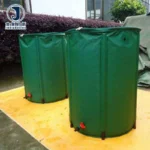
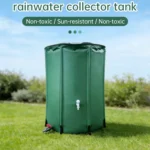
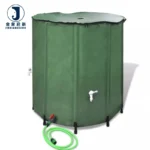
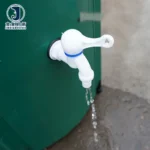
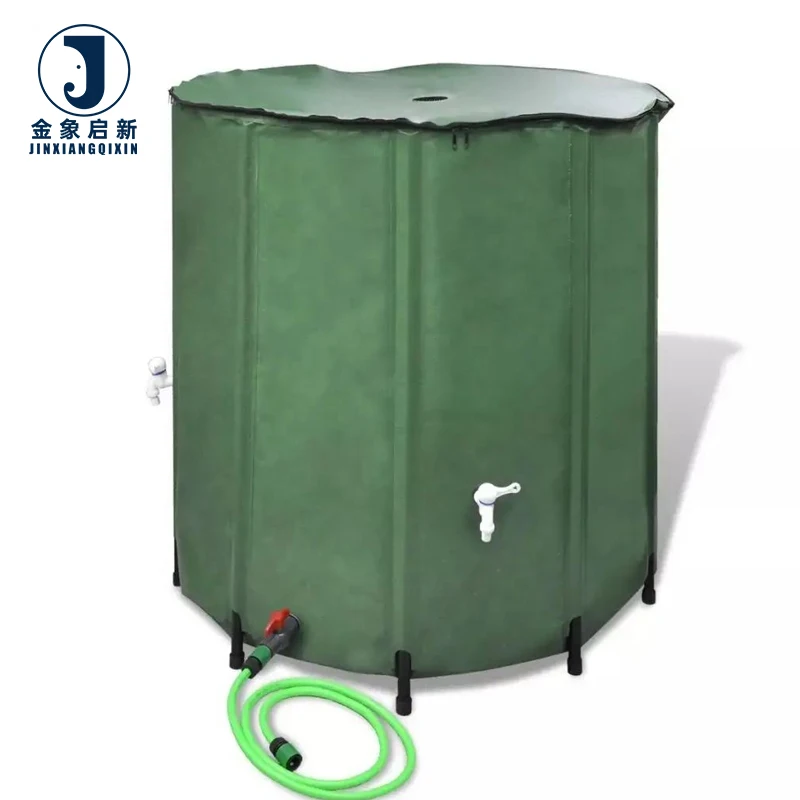
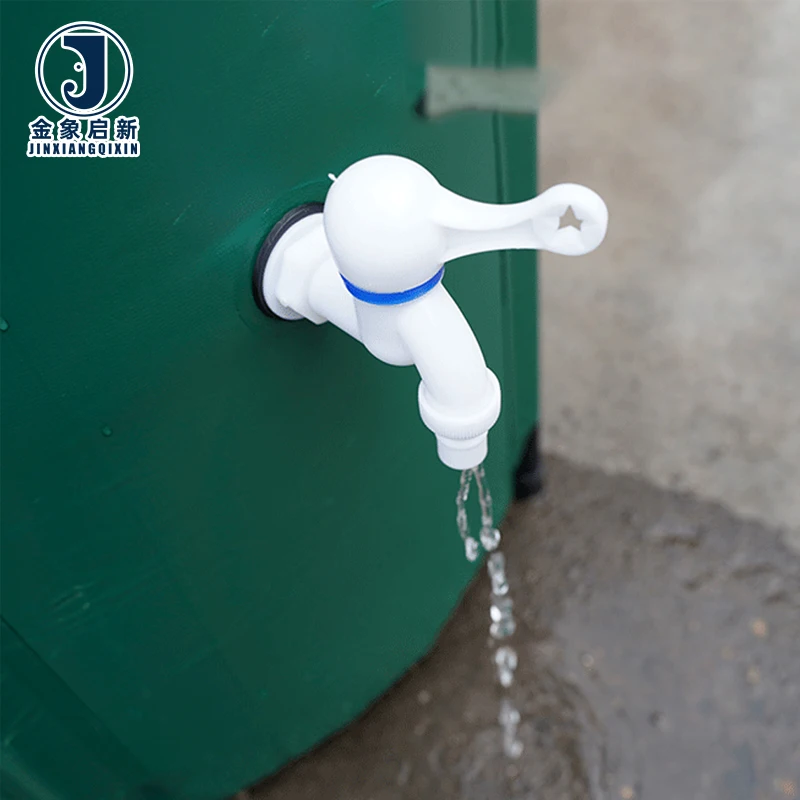
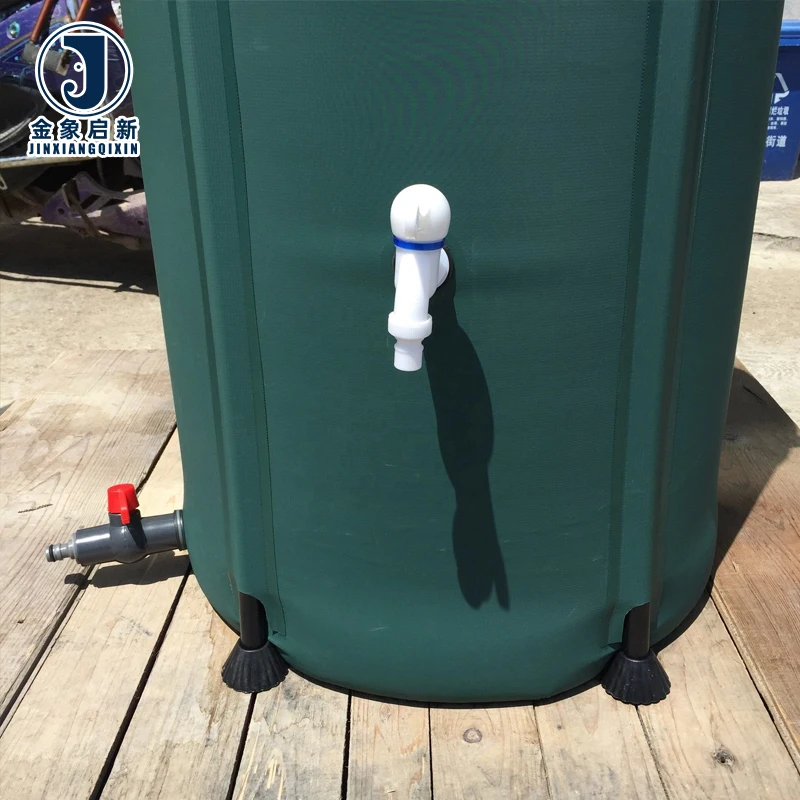
Verified Fabric Construction — Our technical team validates every coating weight and base fabric specification for flexible water storage tanks before the material leaves the production line, ensuring what is quoted matches what arrives on site.
Technical Specifications
| Parameter | Value |
|---|---|
| Product Type | Flexible Water Storage Tank |
| Capacity | 750L |
| Base Fabric | PVC Mesh Cloth |
| Structural Support | PVC Support Rod |
| Waterproofing | Fully waterproof PVC coated construction |
| Flame Retardant | Available in flame retardant grades — confirm the grade required for your market |
| Anti-UV | Available with anti-UV treatment — test basis confirmed upon specification |
| Anti-Static | Available in anti-static grades — standard confirmed upon specification |
| Anti-Mildew | Treated for anti-mildew performance |
| Anti-Bacteria | Treated for anti-bacteria performance |
| Tear & Abrasion Resistance | Tear-resistant and abrasion-resistant coated fabric |
| Wind & Shrink Resistance | Windproof and shrink-resistant construction |
| Customization | Various capacities available on custom order |
| Certification | ISO, CE |
Application Suitability
| Application | Exposure & Requirement |
|---|---|
| Mining and tunnelling site water storage | Requires fire retardant and anti-static compliance, exposure to underground humidity and particulate abrasion |
| Agricultural and aquaculture rainwater harvesting | Continuous UV exposure, standing water contact, anti-mildew and anti-bacteria treatment necessary for crop and stock safety |
| Construction site temporary water catchment | Heavy equipment proximity, abrasion from site debris, need for rapid deployment and collapsible storage |
| Garden and residential rainwater collection | Outdoor sunlight and seasonal weather cycles, structural stability when filled to full capacity |
What Happens When Fabric Treatment Claims Have No Paperwork Behind Them
Every collapsible rainwater storage bladder PVC coated unit we ship carries verifiable documentation — not just a label on the box.
Buyers sourcing flexible water tanks frequently receive fabric described as flame retardant or UV stabilised, only to discover at inspection time that no test report accompanies the shipment. This gap between quotation language and delivered documentation creates compliance risk on regulated sites and shortens service life in exposed installations. A flexible water storage tank deployed at a mining operation without confirmed anti-static certification fails the site safety audit before it is ever filled. The cost is not the tank — it is the downtime and re-procurement cycle that follows [NEED_CITE: site compliance requirements for temporary water storage on mining concessions].
Coated Mesh Structure and Load-Bearing Integrity
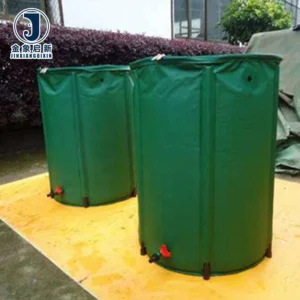
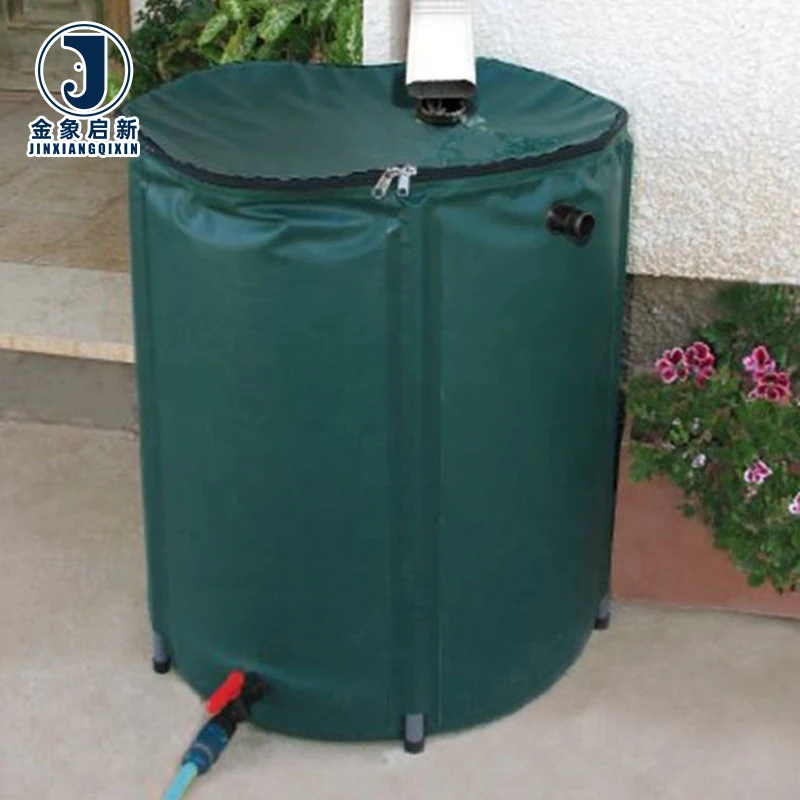
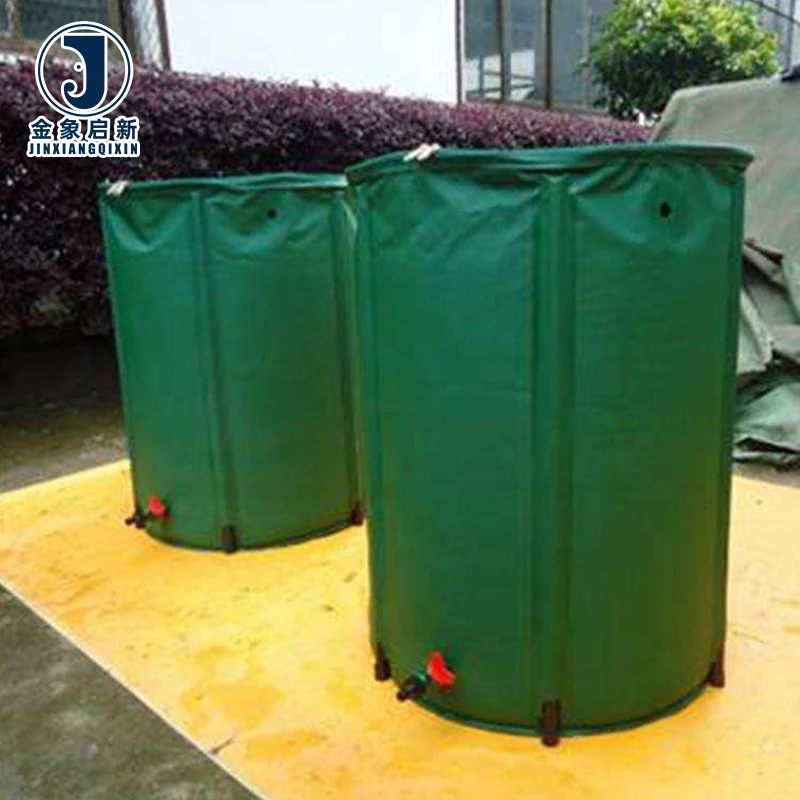
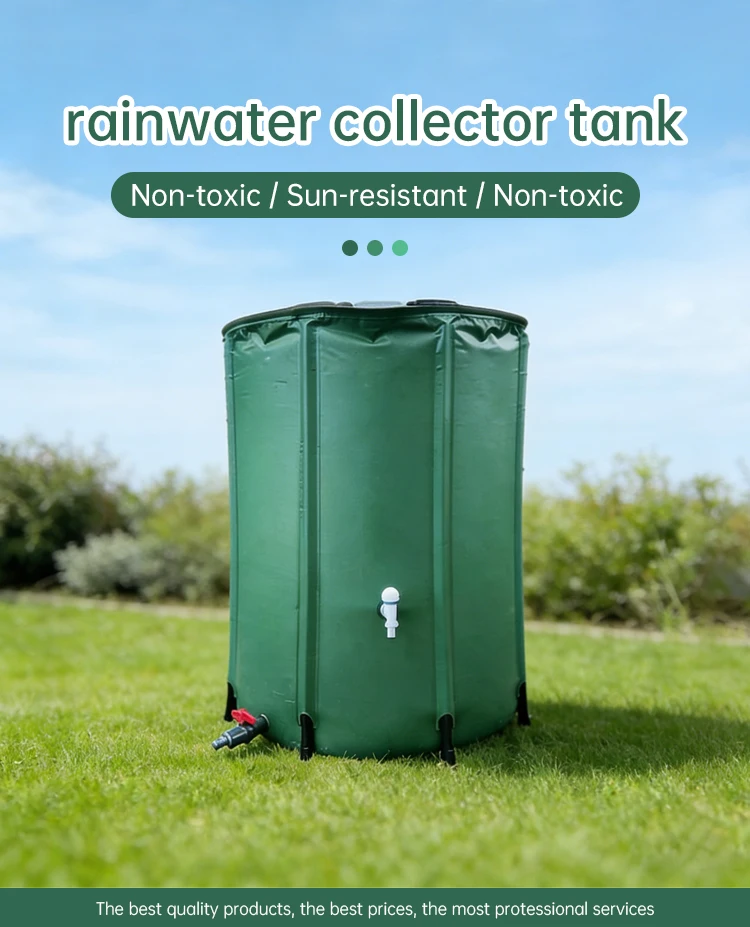
The PVC mesh cloth base fabric provides dimensional stability that prevents the tank walls from distorting under hydrostatic pressure when filled to the 750L capacity mark. Integrated PVC support rods maintain the vertical profile without requiring a rigid external frame, which allows the unit to collapse flat for shipping and redeploy on site within a single shift. This collapsible rainwater storage bladder PVC coated design eliminates the cracking failure mode common in rigid polyethylene barrels exposed to freeze-thaw cycles.
Multi-Treatment Fabric for Regulated and Exposed Sites
Flame retardant, anti-UV, anti-mildew, anti-static and anti-bacteria treatments can all be specified independently or in combination, depending on the deployment environment. Mining contractors requiring anti-static compliance and agricultural operators concerned with algae growth in standing water each need a different treatment stack. We build the flexible water storage tank to the treatment specification your site demands, and each treatment is supported by documentation rather than marketing language [NEED_CITE: DIN 4102 fire classification for building materials].
Why GSM Alone Does Not Predict Tank Wall Performance
The weight of the coated fabric determines how much load the material can carry per linear metre of seam, but the base fabric denier and weave pattern govern how a puncture propagates into a tear. A lighter PVC mesh cloth with a tight weave may outperform a heavier open-weave fabric in tear propagation resistance, which matters when a tank wall is struck by site equipment. Specifying a flexible water storage tank requires evaluating the base fabric construction and coating adhesion together, not quoting a single weight figure. Coating method also influences the long-term bond between the PVC coating and the mesh substrate — knife-coated fabrics generally deliver higher peel strength than laminated alternatives, which translates directly to seam reliability at the weld lines where the tank panels join [NEED_CITE: tensile and tear test methods for coated fabrics per ISO 1421].
The Hidden Cost of Undocumented Treatment Specifications
A tank specified as UV resistant but supplied without a test basis typically shows surface chalking and embrittlement within the first season of full sun exposure, long before the expected service window closes. Flame retardant fabric that does not carry a grade tied to a recognised standard fails the fire officer’s inspection at a construction site, forcing the contractor to remove and replace the entire installation. These failures are not material defects — they are specification failures, traceable to a quotation that listed a property without anchoring it to a verifiable grade [NEED_CITE: NFPA 701 standard test methods for fire propagation of textiles and films].
Why Technical Buyers Source This Tank Here
Our three full production lines and 36 sets of professional equipment support bulk orders of collapsible rainwater storage bladder PVC coated units without sacrificing individual roll traceability. A dedicated 10-person R&D team handles capacity customisation and treatment stack specification, developing samples within days for your site evaluation. QA/QC checkpoints operate at every production stage, and every unit undergoes full inspection before dispatch — not a statistical sample. Nearly 30 years of coated fabric process control means coating weight and adhesion are managed from the formulation stage, not checked after the fact. Custom width and capacity orders do not carry the long lead times or high minimums that generic tarpaulin suppliers typically impose.
Documentation & Verification
- Material specification sheet stating PVC mesh cloth base fabric type, coating material and confirmed treatment stack
- Test reports for flame retardant grade and UV treatment basis issued with shipment where specified
- Pre-shipment inspection record covering dimensional accuracy, seam integrity and visual surface quality
- ISO and CE certificates included in the dispatch documentation package
- Roll packing list detailing capacity, treatment specification and batch reference per unit
Fabrication, Handling & Storage
- PVC mesh cloth panels join by hot-air welding — weld temperature and speed must match the coating weight to avoid seam delamination
- PVC support rods must be stored flat before assembly to prevent permanent curvature that distorts the tank profile
- Collapsed tanks should be kept off bare ground during storage to avoid surface abrasion on the coated fabric
- Clean with mild detergent and soft brush — solvent-based cleaners can soften the PVC coating and reduce adhesion
- Field repairs use PVC-compatible adhesive patches applied to dry, clean surfaces at ambient temperature above the coating’s minimum bonding threshold
Before You Request a Quote
Specify the deployment environment — outdoor sunlight exposure, proximity to ignition sources, or contact with agricultural runoff — so the correct treatment stack is built into your flexible water storage tank. Confirm the fire retardant or anti-static standard your target market requires, as grades differ across mining, construction and municipal regulations. State whether you need the 750L capacity or a custom volume, and indicate annual quantity so production scheduling and roll consistency are aligned to your project timeline.
Frequently Asked Questions
Q: What fire retardant grade is the PVC fabric and which standards does it meet?
A: The flame retardant grade is specified to match your market requirement. We supply test reports confirming the grade achieved, aligned to standards such as DIN 4102 or NFPA 701 depending on your jurisdiction. Confirm the standard your site inspector or fire officer requires at inquiry stage so the correct formulation is applied.
Q: On what test basis is the anti-UV treatment verified?
A: Anti-UV treatment is confirmed by test report upon request, documenting the exposure method and duration used to validate performance. The specific test basis is matched to the climate zone and expected deployment duration of your installation. We provide this documentation with the shipment, not as an after-sales request.
Q: Can I order custom capacity bladders and what is the minimum order?
A: Various capacities beyond 750L are available on custom order. The minimum depends on fabric availability and treatment specification. Custom sizes are developed through our sample process, allowing you to verify fit and connection compatibility before full production runs are committed.
Q: Is anti-static certification available for mining site use?
A: Anti-static grades are available and can be specified for mining and tunnelling deployments where static discharge is a regulated hazard. The applicable standard is confirmed at inquiry stage and documented in the shipment paperwork package so your site compliance officer has the record on file.
Q: How do I clean and repair a PVC mesh cloth water bladder in the field?
A: Clean with mild detergent and a soft brush, avoiding solvent-based products that compromise the PVC coating bond. Small punctures are repaired using PVC-compatible adhesive patches applied to a dry, clean surface. For larger damage, the panel section can be hot-air welded by a trained fabricator using matching material offcuts.