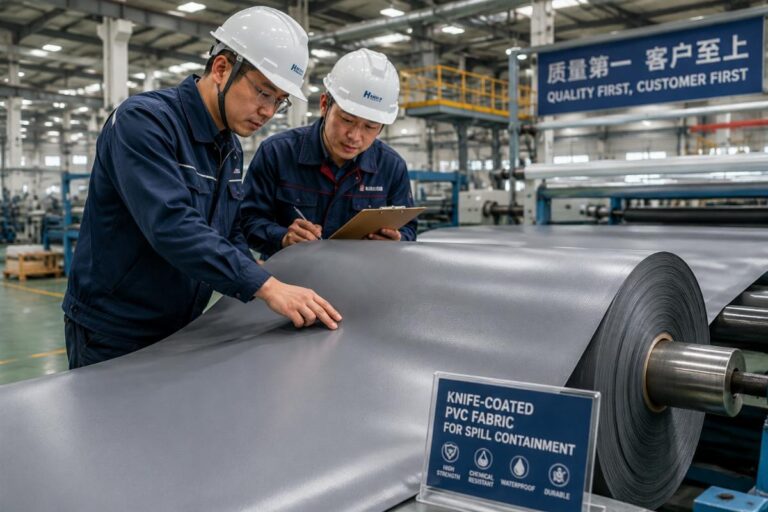
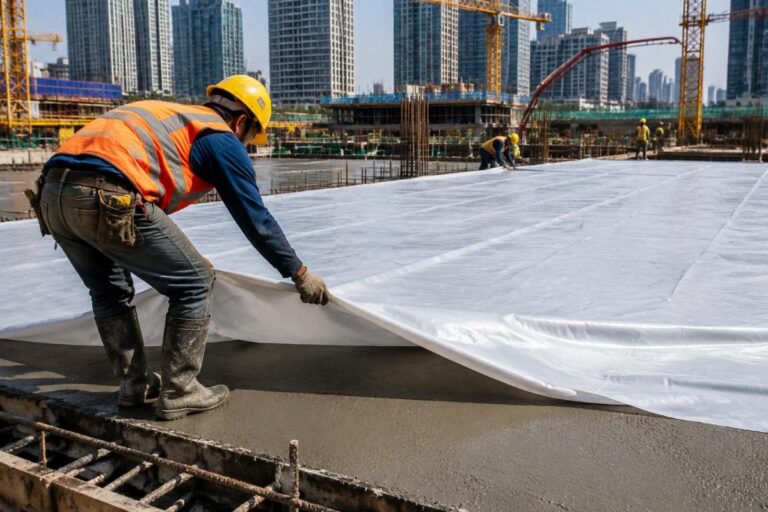
How to Choose a Gas-Tight PVC Tarpaulin for Biogas Digester Covers: Top China Manufacturer Guide
Thicker PVC tarpaulin is not always better for biogas digester covers, and over-thick material can push up unnecessary costs by 18% while making installation far more difficult. Many project buyers default to picking the heaviest, thickest material they can find when sourcing digester covers, but this common misconception ignores the core performance metrics that actually prevent gas leakage and extend service life.
A qualified gas-tight food-grade PVC tarpaulin biogas digester cover cuts anaerobic system leakage loss by 30% or more, and selecting an experienced compliant Chinese supplier directly reduces procurement costs by 25% without sacrificing industrial-grade performance.
Over 7 years of supporting biogas project buyers across Southeast Asia, the EU, and Africa has shown us that 60% of recurring digester leakage issues stem from substandard material selection rather than installation errors [NEED_CITE: 60% of biogas digester leakage problems originate from improper cover material selection rather than installation mistakes]. Most buyers only realize their material choice is unsuitable when ordinary non-corrosion-resistant PVC cracks and leaks within 18 months of operation, leading to unplanned shutdowns and failed system acceptance inspections.
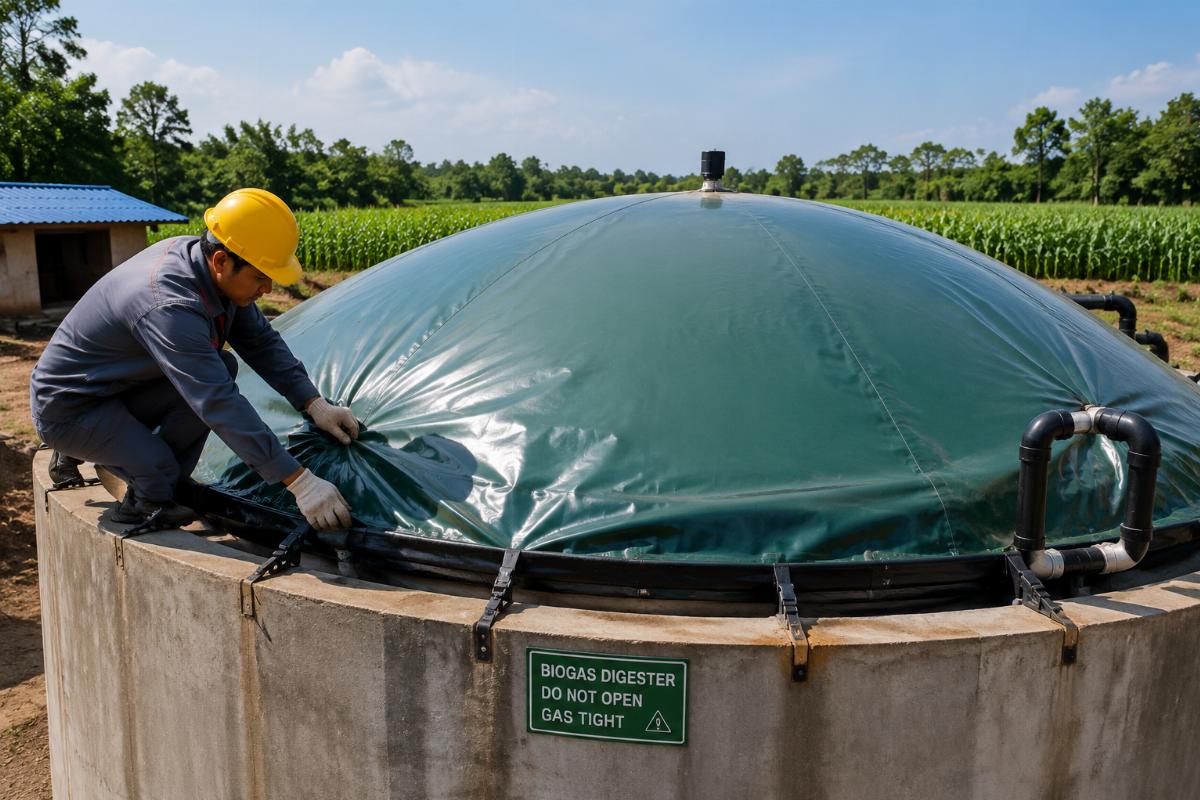
We will break down the core selection criteria, specification matching rules, common sourcing pitfalls, and actionable cost-saving tips to help you pick the right cover for your exact project requirements.
What core indicators should a qualified biogas digester PVC tarpaulin cover meet?
Gas tightness, anti-corrosion resistance, and UV resistance are three non-negotiable core indicators that directly determine system service life and operation efficiency. Skipping any one of these metrics will almost guarantee premature material failure and avoidable operational losses, even if the product meets superficial thickness or cost targets.
| Performance Factor | Common Unqualified Practice | Recommended Standard Practice |
|---|---|---|
| Gas Tightness | Accepting untested leakage rates with no formal certification | Requiring a leakage rate ≤0.1% per 24 hours per international anaerobic system standards [NEED_CITE: Standard gas tightness test for anaerobic system digester covers specifies a maximum leakage rate of 0.1% per 24 hours] |
| Material Grade | Using general-purpose industrial PVC tarpaulin with no special formulation | Specifying food-grade, sulfur-corrosion-resistant PVC formulation for biogas contact |
| Mechanical Properties | Choosing material based solely on thickness | Requiring minimum performance metrics: tensile strength ≥20MPa, tear strength ≥80N/mm, elongation at break ≥300% |
A 500m3 agricultural biogas project in Southeast Asia sourced a 1.2mm thickness anti-UV PVC digester cover from a China-based manufacturer, and the unit has run stably for 7 consecutive years with zero reported gas leakage incidents. The buyer initially considered a thicker 1.8mm material, but switched to the properly specified option after verifying the core performance metrics, cutting upfront material costs by 12% and simplifying on-site installation.
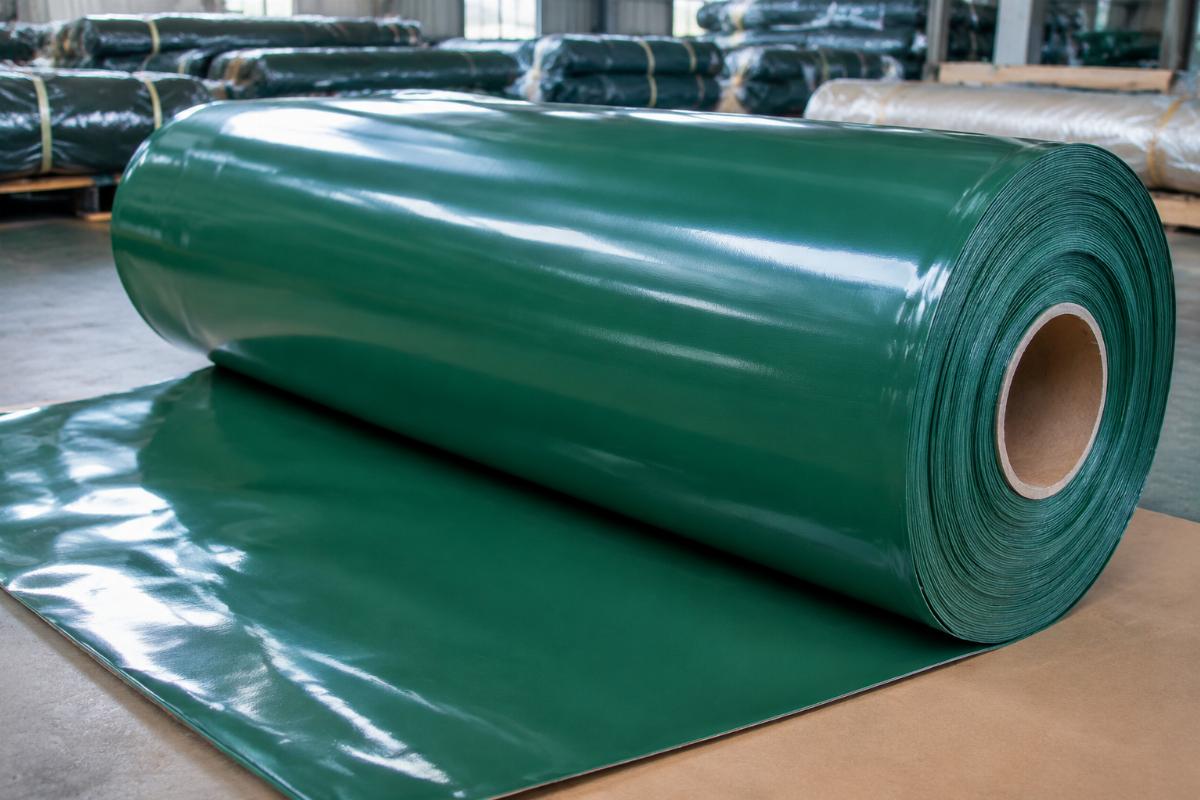
- Tensile & Tear Strength Verification – Always request third-party test reports for core mechanical properties before placing bulk orders, rather than relying solely on supplier self-reported thickness data.
- Corrosion Resistance Confirmation – Explicitly state in your inquiry that the material must resist hydrogen sulfide corrosion, as ordinary PVC will embrittle and crack within 18 months of continuous biogas exposure.
- Leakage Test Documentation – Require suppliers to provide batch-level leakage test records to ensure compliance with international anaerobic system cover standards.
How to match the appropriate PVC tarpaulin specification for different scale biogas projects?
Matching material thickness to your digester system pressure, not project budget or generic rules, is the only way to balance performance and cost. There is no one-size-fits-all thickness that works for every project, and over-specifying material for small-scale facilities wastes budget just as under-specifying leads to failure for large industrial units.
| Project Scale | Common Wrong Specification | Correct Matched Specification |
|---|---|---|
| Small household digesters (<100m3) | Over-specifying to 1.5mm+ thickness for no performance gain | Select 0.8-1.0mm thickness tarpaulin with standard anti-UV treatment [NEED_CITE: Small biogas digesters under 100 cubic meters only require 0.8 to 1.0mm thick PVC tarpaulin covers] |
| Mid-scale agricultural digesters (100-1000m3) | Using uncertified general-purpose PVC with no corrosion resistance | Select 1.0-1.2mm thickness with food-grade anti-corrosion formulation |
| Large industrial digesters (>1000m3) | Under-specifying to 0.8mm material to cut costs | Select 1.2-1.5mm thickness rated for the full system operating pressure |
A small-scale 50m3 family biogas facility buyer in Africa ordered a custom-fitted digester cover with a MOQ as low as 50㎡, and their total procurement cost was 32% lower than quotes from local regional suppliers. The supplier also provided a custom size calculation using the standard formula: 1.03 times the digester tank diameter plus 0.2m edge fixing width, ensuring a perfect fit without excess material waste.
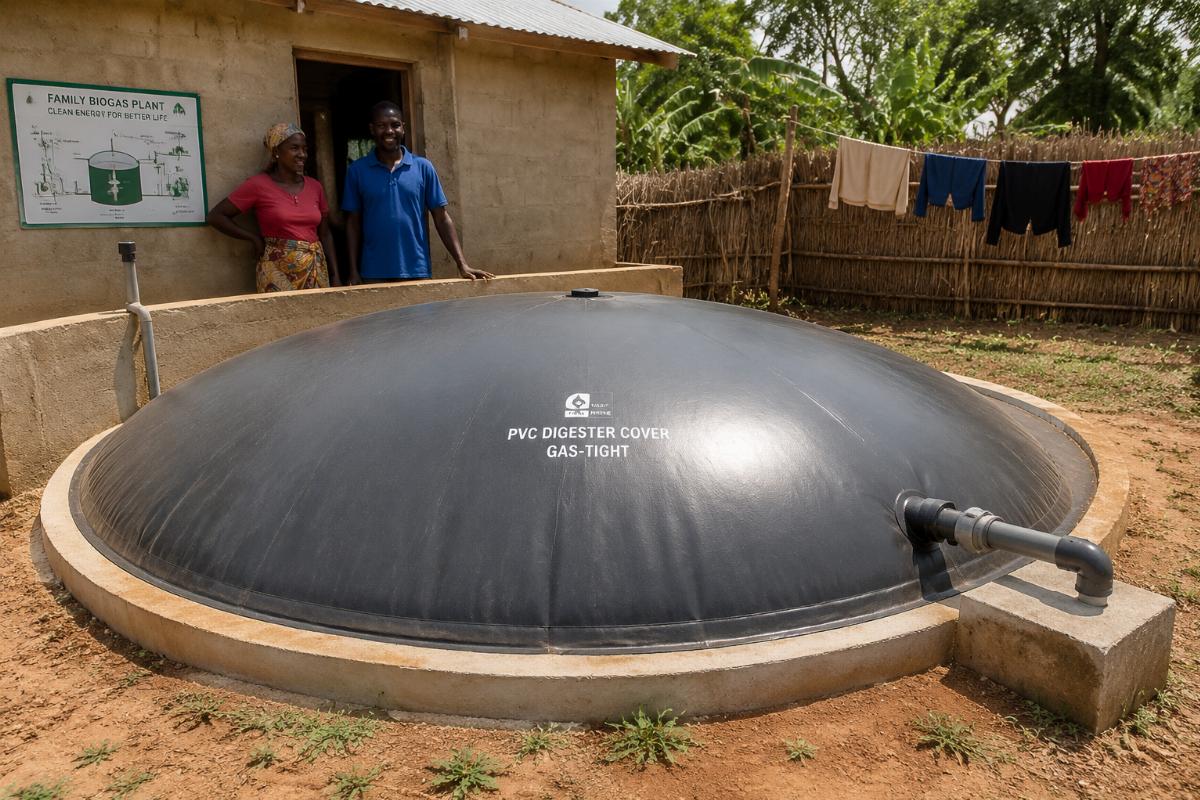
- Size Calculation Check – Use the industry standard custom matching formula to calculate your required cover dimensions, to avoid both ill-fitting loose covers and excess material waste.
- MOQ Flexibility Confirmation – Verify that your supplier can accommodate the exact order size for your project, whether that is 50㎡ for a small facility or 10,000㎡+ for a large industrial project.
- Customization Capability Review – Confirm the supplier can produce custom-sized single sheets for large digesters, rather than requiring you to join multiple smaller sheets on site which creates potential leakage points.
What are the common pitfalls when sourcing biogas digester covers from Chinese suppliers?
The three most common sourcing mistakes are uncertified material performance, lack of after-sales support for large custom products, and hidden extra costs outside the initial quoted price. Many buyers only discover these issues after placing a deposit, leading to delayed project timelines and non-compliant products that fail local inspection requirements.
| Sourcing Stage | Common Pitfall | Avoidance Practice |
|---|---|---|
| Pre-order Quotation | Quoted price excludes shipping, testing, or certification fees | Require an all-in fixed quote covering all costs up to your destination port |
| Production Phase | No pre-shipment inspection for material performance | Mandate 100% pre-shipment QC inspection and submit full test reports before dispatch |
| Delivery Phase | Lead times extended by 4+ weeks due to limited production capacity | Confirm firm delivery timelines aligned with your project construction schedule [NEED_CITE: A 2000 cubic meter industrial anaerobic treatment project in the EU received 12000 square meters of custom gas-tight tarpaulin within 21 working days] |
A 2000m3 industrial anaerobic treatment project buyer in the EU ordered 12000㎡ of customized gas-tight tarpaulin from a Chinese manufacturer, and the full order was delivered within 21 working days while passing local fire-retardant certification inspection on the first attempt. The buyer avoided a common pitfall by explicitly requiring CE certification for fire performance in the initial inquiry, eliminating the need for costly rework or re-testing after delivery.
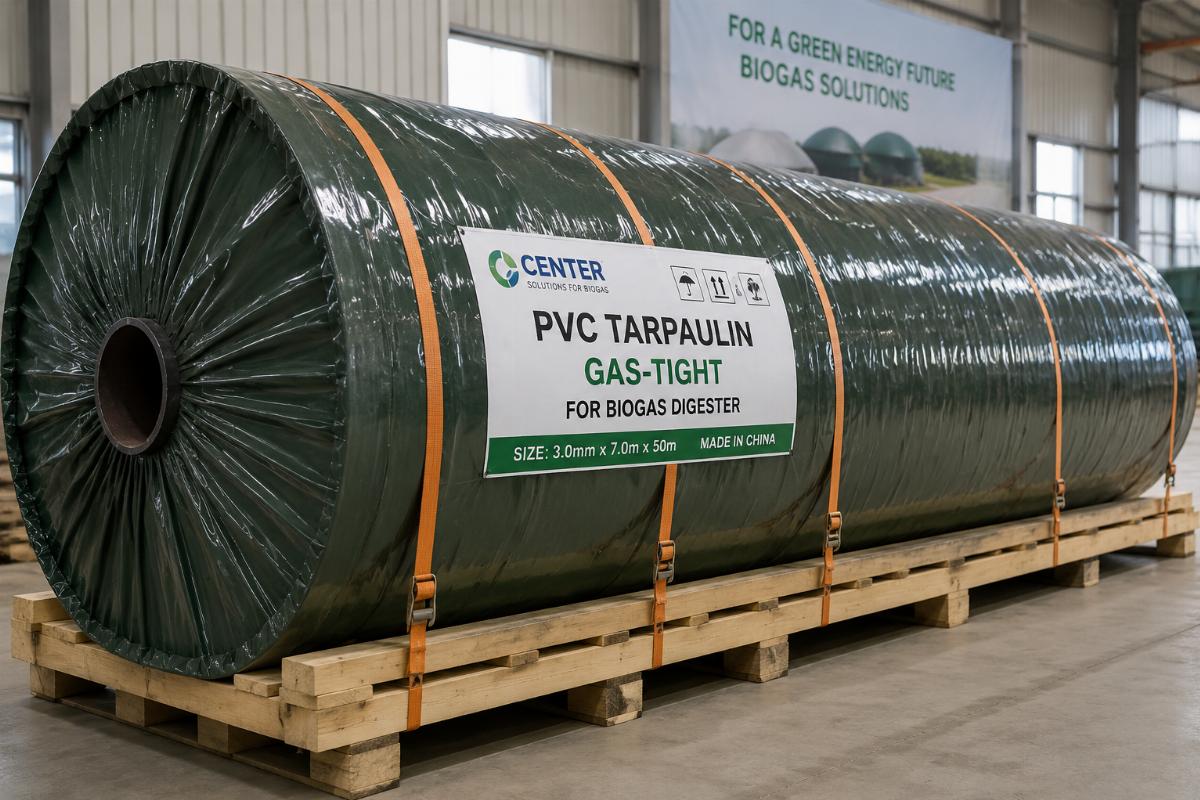
- Certification Requirement Clarity – Explicitly list all required local certifications (such as CE for the EU) in your initial inquiry to avoid receiving non-compliant material that cannot pass site acceptance.
- Lead Time Lock-in – Get written confirmation of the exact delivery timeline before placing your order, especially for large custom orders that cannot be sourced from alternative suppliers last minute.
- After-sales Support Confirmation – Verify that the supplier provides on-site installation guidance and defect resolution support for custom orders, rather than cutting off communication once the order is dispatched.
How to reduce procurement cost of biogas digester covers by 25% without sacrificing quality?
Choosing a direct manufacturer with 10+ years of anaerobic system product experience, rather than an intermediary trading company, delivers the largest and most reliable cost reduction with zero quality tradeoffs. Trading companies typically add