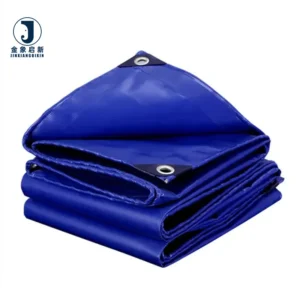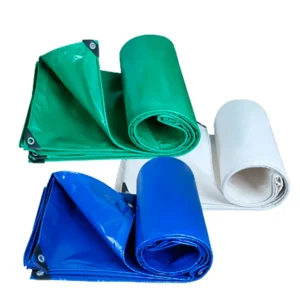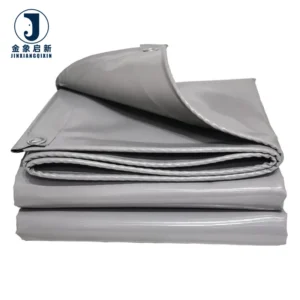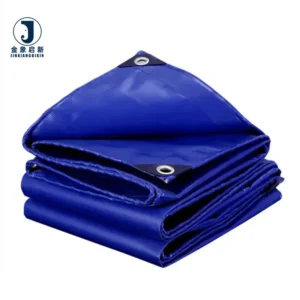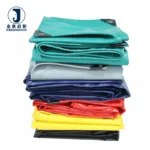
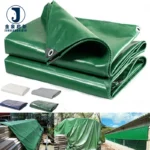
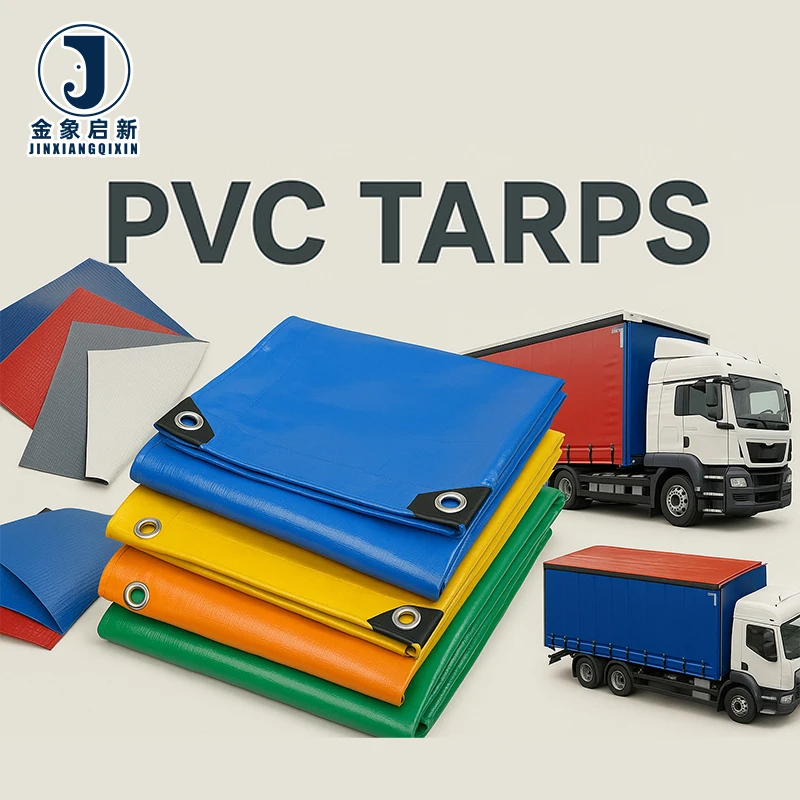
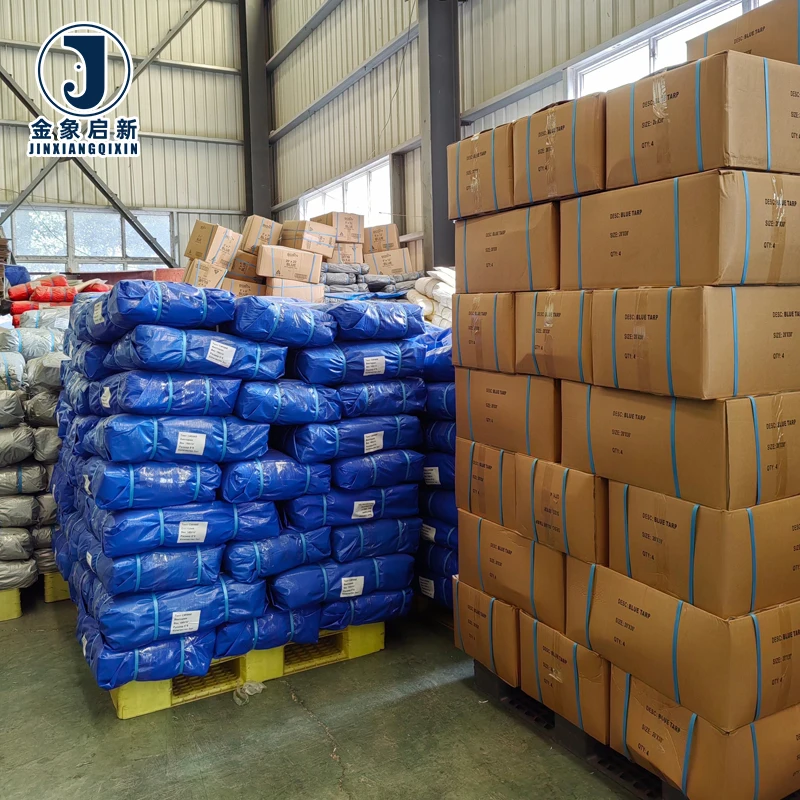

Coating weight control — every roll of 500 GSM PVC knife-coated tarpaulin is verified against the stated specification before dispatch, supported by three decades of coated fabric process expertise.
Technical Specifications
| Parameter | Value |
|---|---|
| Product Type | PVC Knife-Coated Tarpaulin |
| Weight | 500 GSM |
| Coating Material | High Density Virgin PVC |
| Coating Method | Knife Coated |
| Waterproof | Yes |
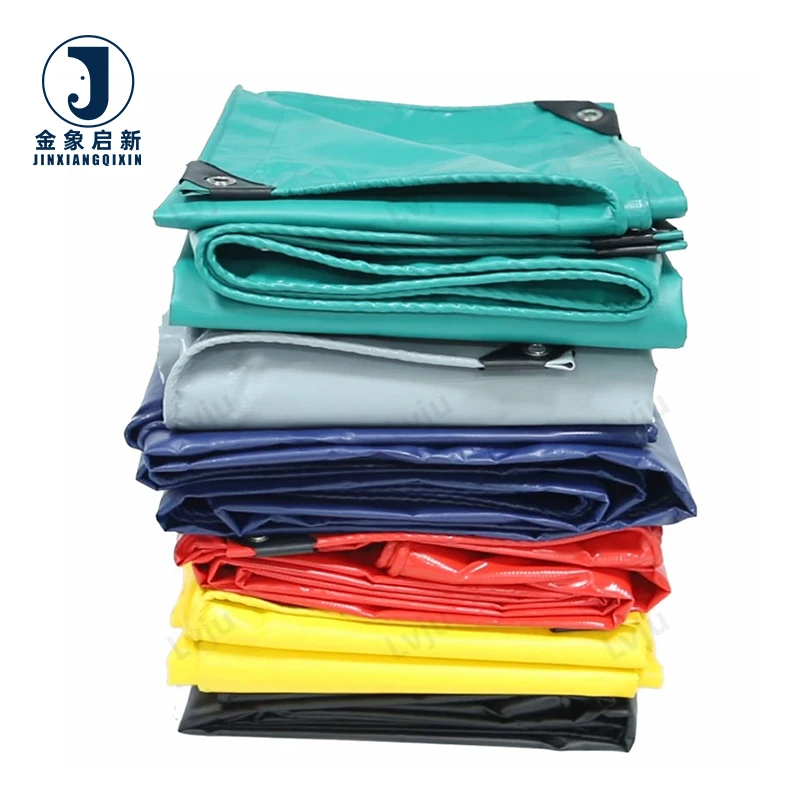
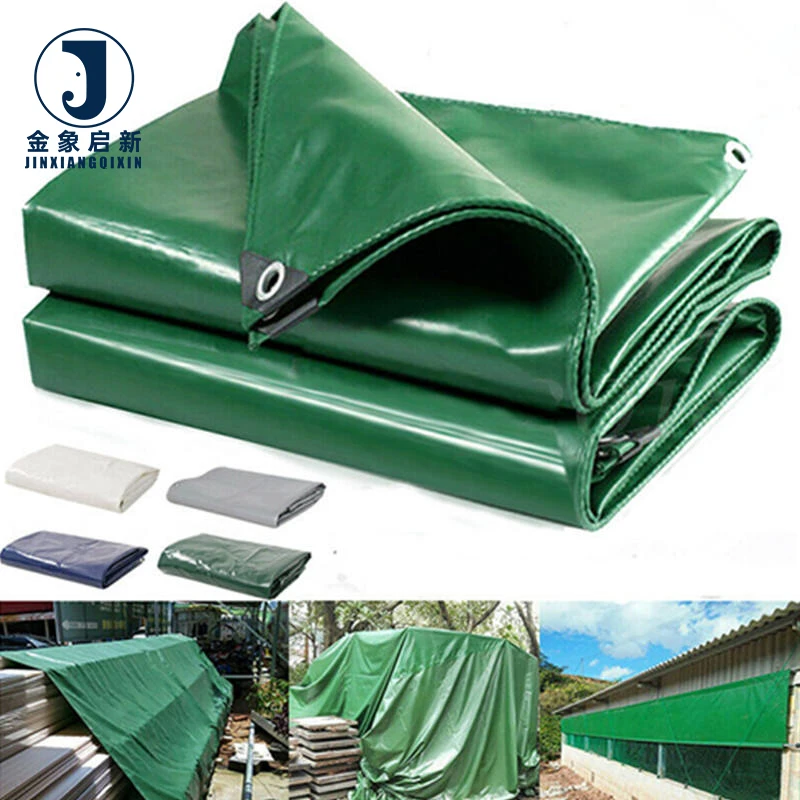
| Color | Different colors available |
| Flame Retardant Grade | Available in flame retardant grades — confirm the grade required for your market |
| UV Treatment | Available with UV stabilisation — request test report for verification |
| Base Fabric Denier | Confirm denier specification at inquiry |
| Width | Custom widths available |
| Roll Length | Custom roll lengths available |
Application Suitability
| Application | Exposure & Requirement |
|---|---|
| Tent and canopy structures | Structural tension loading, wind uplift, prolonged UV exposure, rain ingress at seams |
| Awning fabrication | Dimensional stability under heat welding, colour consistency across panels, sun and weather exposure |
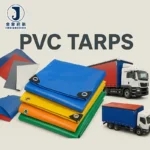
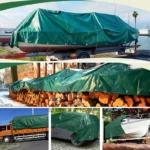
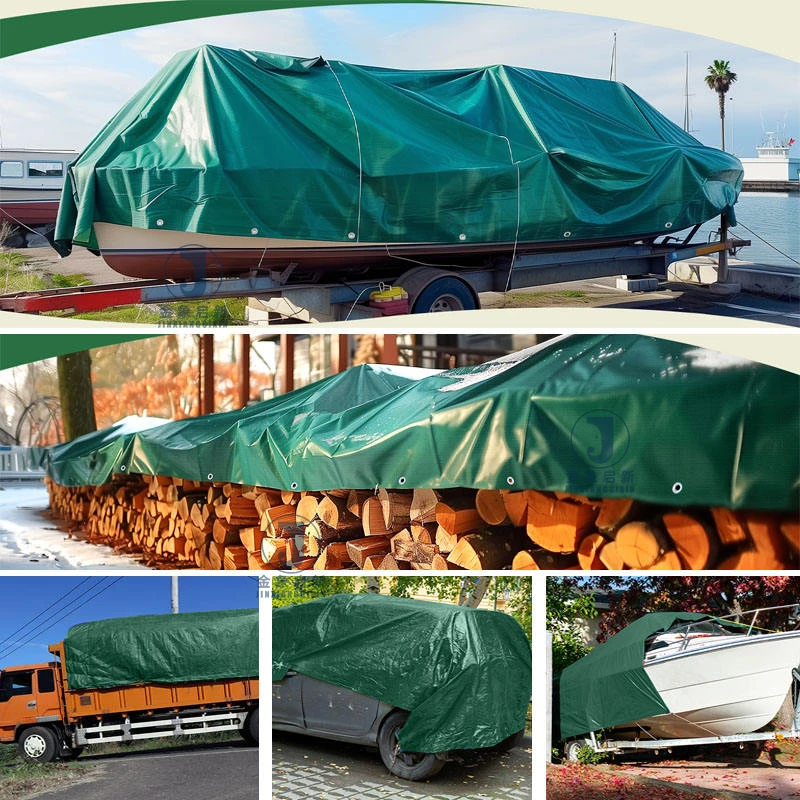
| Truck and trailer tarp covers | Constant flexing at load points, road abrasion, weather and water exposure during transit |
| Ship and marine rainproof covers | Salt spray contact, wind-driven rain, UV exposure on deck, salt corrosion resistance |
| Balcony wind barriers | Wind load stress, UV exposure, aesthetic colour retention on residential facades |
| Garden plants and furniture covers | Moisture contact, seasonal UV exposure, handling and folding stress |
Why Coating Adhesion Matters More Than GSM Alone on a 500 GSM PVC Knife-Coated Tarpaulin
GSM tells you the weight; knife coating tells you how well that weight holds together at the weld.
When a 500 GSM PVC knife-coated tarpaulin is specified for a tensioned tent or a truck side curtain, the failure rarely starts in the middle of the fabric panel. It starts where two panels meet — at the heat-welded seam. If the PVC coating has not penetrated and bonded through the base fabric consistently across the full width, the weld line becomes the weakest point. I have seen coated rolls arrive on site with the stated GSM but delaminate under peel testing because the coating adhesion was uneven. [NEED_CITE: tensile and tear test methods for coated fabrics per ISO 1421]
Knife Coating and Consistent Adhesion Across the Roll
The knife-coating method used for this 500 GSM PVC knife-coated tarpaulin forces PVC paste through and onto the base fabric under controlled blade pressure. This creates a mechanical and chemical bond between the coating and the yarn structure, rather than simply laying a film on top. For awning fabricators and tent manufacturers who heat-weld panels together, consistent adhesion means the weld strength approaches the fabric strength, reducing the chance that seams fail before the material itself does.
Coating Weight and Its Role in Structural Performance
The 500 GSM specification places this fabric in a range suited to medium-duty structural and cover applications. The total weight is a combination of the base fabric mass and the PVC coating mass. A heavier coating contributes to waterproof integrity and surface abrasion resistance, while the base fabric denier and weave density govern tensile and tear behaviour. Understanding this split matters when comparing quotations, because two fabrics at the same GSM can perform very differently depending on how that weight is distributed. [NEED_CITE: relationship between coating weight and base fabric construction in PVC coated textiles]
Reading the Specification Sheet Beyond the Headline Number
When evaluating a PVC knife-coated fabric for tent, awning or transport cover use, the specification sheet should state the base fabric denier, the weave count, and the coating weight separately from the total GSM. These details allow a technical buyer to predict how the fabric will behave under tension, how it will respond to heat welding, and whether it will hold up at flex points over repeated use. Requesting this breakdown before placing an order removes ambiguity at the receiving dock.
What Happens When the Specification Is Not Verified Before Fabrication
A tent manufacturer who cuts and welds twenty panels from a roll that arrives lighter than quoted faces two problems. The finished structure may not meet the wind load calculations the engineer signed off on. And the colour or surface finish may shift between rolls in the same order, visible once panels are installed side by side on a frame. These are not cosmetic issues — they result in rejected shipments, re-fabrication costs, and delayed project handovers. [NEED_CITE: batch consistency requirements for architectural fabric structures]
Why Source This 500 GSM PVC Knife-Coated Tarpaulin Here
Three full production lines and 36 sets of professional equipment support bulk roll output with consistent coating weight control across every batch.
A 10-person R&D team handles material selection, custom width and colour development, and sample preparation — samples for custom requirements are developed within days, not weeks.
Dedicated QA and QC stages run at every point in production, with 100 percent inspection before any roll is packed for dispatch.
Nearly 30 years of focused coated fabric production provides the process knowledge to control coating adhesion, surface finish, and roll-to-roll consistency.
Full documentation — including material specification sheets, test reports, and pre-shipment inspection records — ships with every order so the receiving team can verify independently.
Documentation & Verification
- Material specification sheet stating 500 GSM, base fabric construction, and coating weight per roll
- Test report for UV stabilisation and flame retardant grades where specified in the purchase order
- Pre-shipment inspection record confirming weight and visual quality before dispatch
- ISO and CE certificates provided for compliance and import documentation
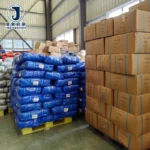
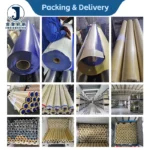
- Roll packing list with individual roll weights and dimensions for receiving verification
- Certificate of origin included for customs clearance support
Fabrication, Handling & Storage
- Heat-weld temperature and dwell time should be calibrated to the 500 GSM knife-coated construction before full production runs
- Cut edges on this PVC knife-coated fabric should be hemmed or welded to prevent coating peel at raw edges
- Store rolls horizontally on a flat surface to avoid permanent creasing in the 500 GSM coated material
- Allow cold-stored rolls to reach ambient temperature before unrolling to prevent coating crack at low temperatures
- Use mild detergent and soft cloth for cleaning — abrasive cleaners can damage the virgin PVC coating surface
- Plan panel layout to maximise roll width utilisation and minimise the number of welded seams in the finished product
What to Include in Your Inquiry
To receive an accurate specification and quotation, provide the intended application and the environmental exposure conditions the fabric will face — structural tension loads, wind ratings, or UV exposure duration. State the target market so that any flame retardant or compliance requirement can be matched to the correct test standard. Confirm the roll width, colour, and annual volume needed, and indicate whether you require finished cut panels or full rolls for your own fabrication line.
Frequently Asked Questions
Q: How can I verify the 500 GSM weight when the rolls arrive at my facility?
A: Every roll ships with a material specification sheet stating the exact GSM, base fabric, and coating weight. You can independently verify by cutting a measured sample and weighing it on a calibrated scale. Our pre-shipment inspection record confirms the weight was checked before dispatch. If a discrepancy is found, the documentation trail supports immediate resolution.
Q: What is the difference between knife coating and laminated coating for PVC tarpaulin?
A: Knife coating forces PVC paste into the base fabric under blade pressure, creating a bonded layer that resists delamination at welded seams. Laminated coating applies a pre-formed PVC film onto the fabric, which can separate at the bond line under repeated flexing. For applications involving heat-welded joints and structural tension, knife-coated fabric provides more reliable seam integrity.
Q: Can UV treatment be confirmed with a third-party test report?
A: Yes. Where UV stabilisation is specified on your order, a test report from a recognised laboratory can be provided to document the treatment and its performance basis. Request this at the inquiry stage so the correct additive package is included during coating. The report travels with the shipment documentation for your records.
Q: What flame retardant grades are available for this 500 GSM PVC knife-coated tarpaulin?
A: Flame retardant grades are available to match different market requirements. Confirm the standard your end-use market demands — such as DIN 4102, NFPA 701, or a local building code classification — at the inquiry stage. The specified grade will be incorporated during production and documented with a test report in the shipment package.
Q: Are custom widths, colours, and roll lengths available, and what are the minimums?
A: Custom widths, colours, and roll lengths can be produced to match your fabrication requirements. Minimum order quantities apply and vary depending on the degree of customisation. Provide your target dimensions and colour reference at the inquiry stage, and a sample will be developed for approval before bulk production begins.