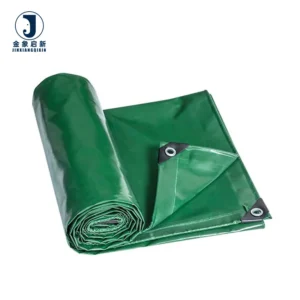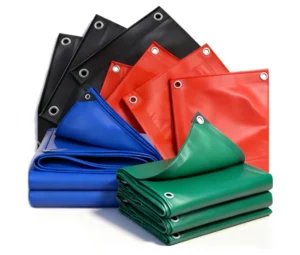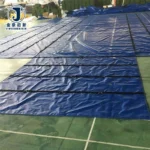
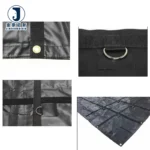
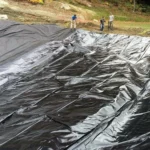
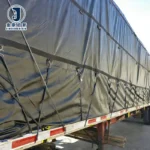
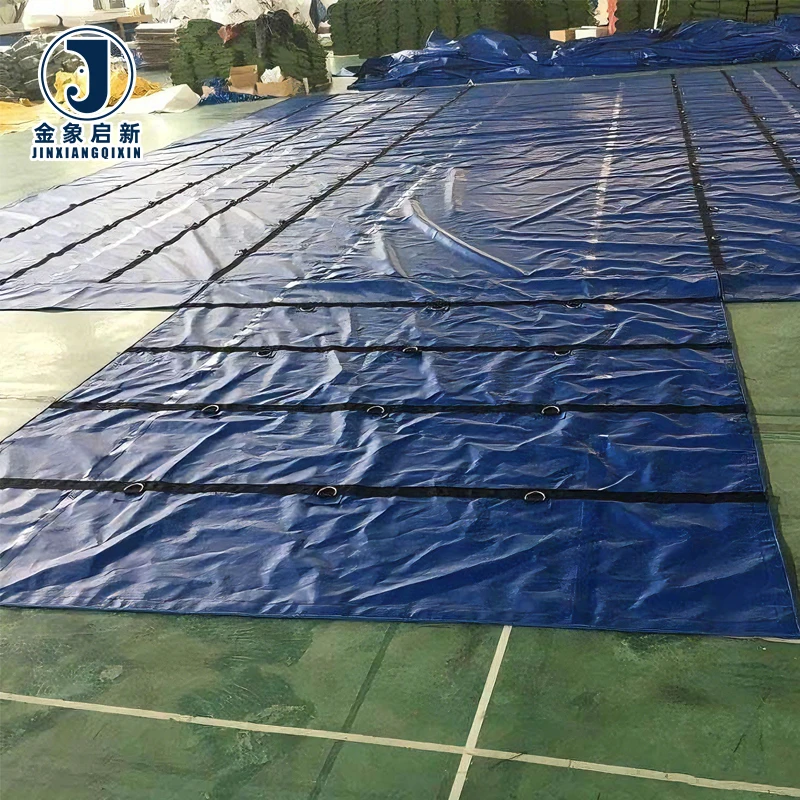
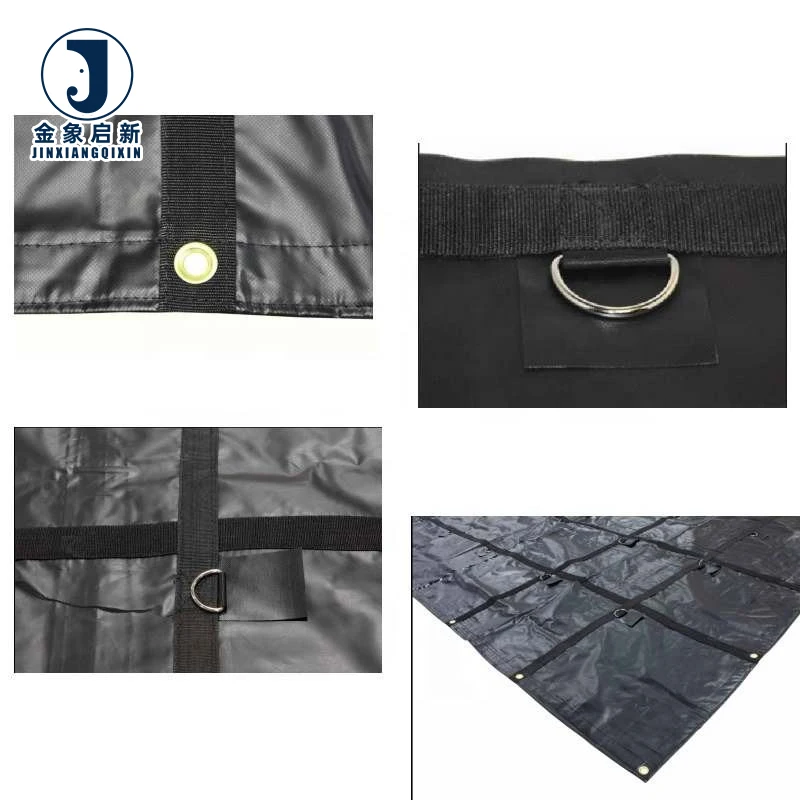
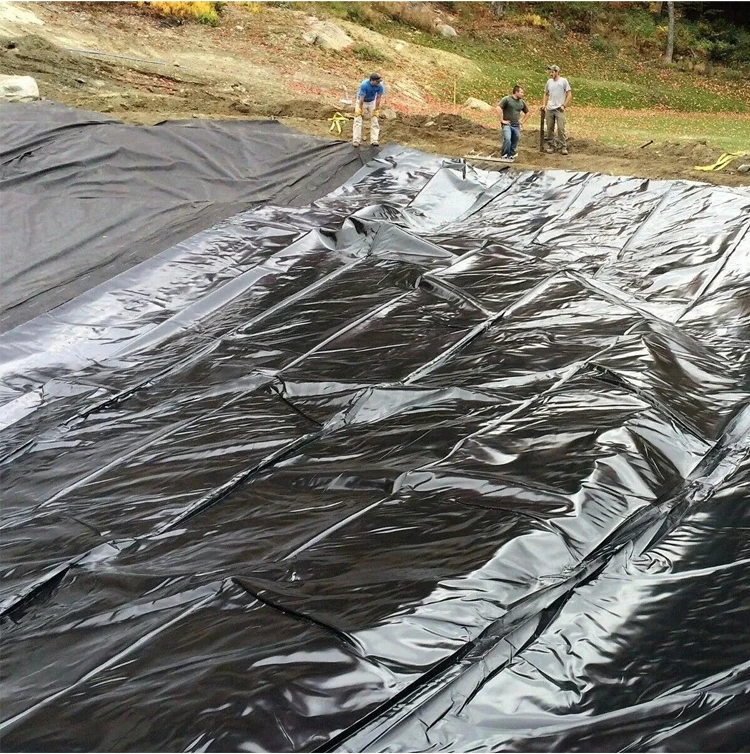
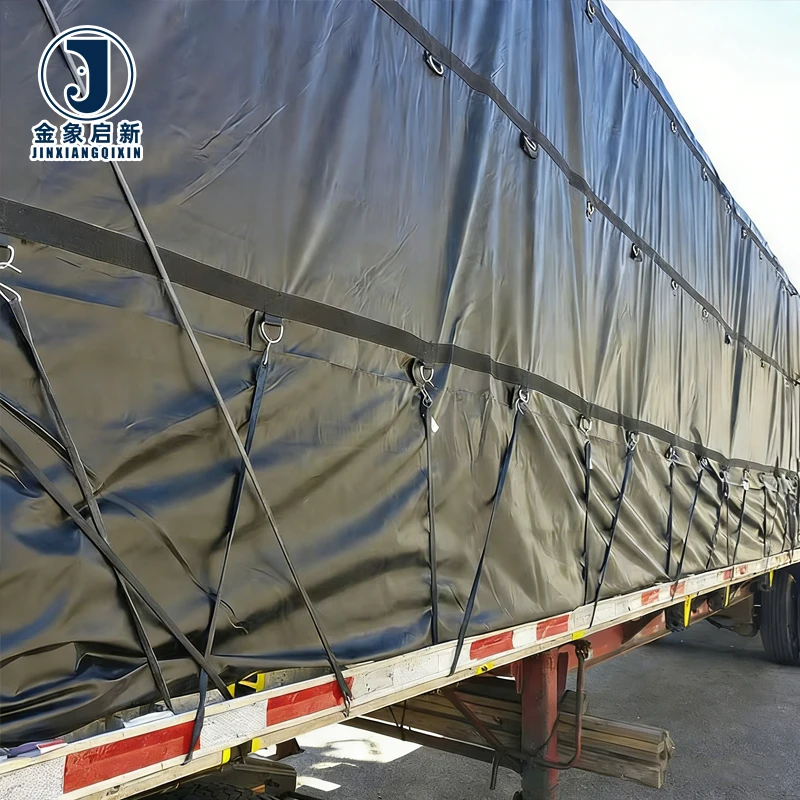
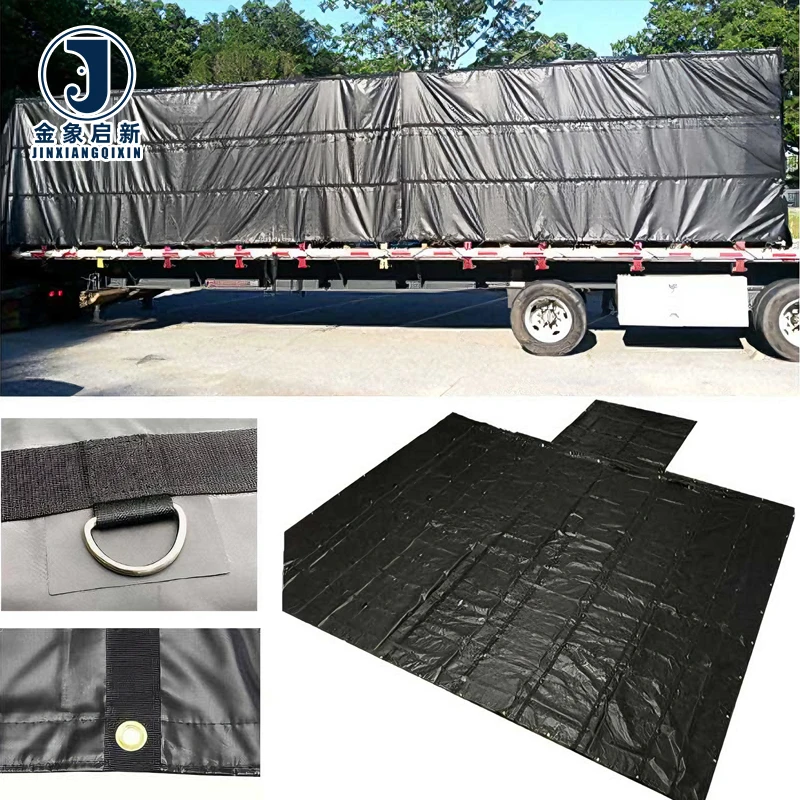
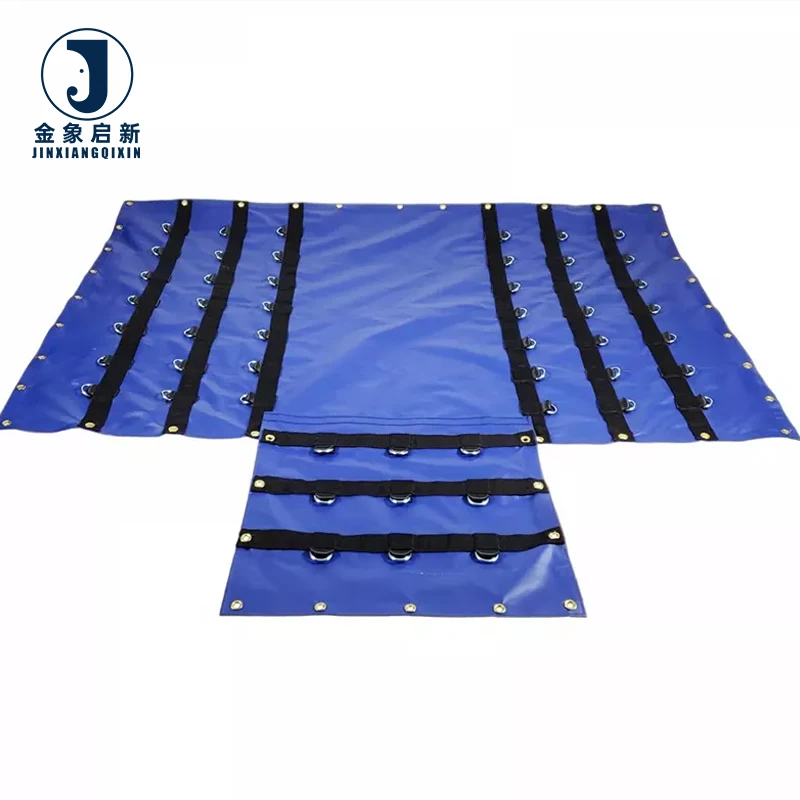
Proven Coating Process Control — Nearly 30 years of PVC coating expertise with dedicated QA/QC at every production stage, delivering documented fire-retardant and anti-static grades for ventilation and specialist structure projects.
Technical Specifications
| Parameter | Value |
|---|---|
| Product Type | PVC Coated Fabric |
| Coating Material | PVC |
| Flame Retardant | Available in flame retardant grades — confirm the grade required for your market |
| Anti-Static | Available in anti-static grades — confirm the standard required for your site |
| Anti-Mildew | Yes |
| Anti-Cold | Yes |
| Weather Resistance | Suited to extended outdoor exposure |
| Waterproof | Fully waterproof coated construction |
| Custom Size | Available on request |
| Certification | ISO, CE |
Application Suitability
| Application | Exposure & Requirement |
|---|---|
| Mine and tunnel ventilation ducts | Continuous airflow, high humidity, mandatory fire-retardant and anti-static compliance for underground safety |
| Aviation ground support structures | Fuel-rich environments, regulatory oversight, demand for certified flame-retardant fabric with documented test results |
| Inflatable and membrane structures | Wind loading, UV exposure, structural stress at seam and anchor points requiring verified tensile performance |
| Temporary industrial enclosures | Weather exposure, dust and debris containment, fire code compliance on active construction sites |
What Certified Fire-Retardant PVC Coated Fabric Actually Means for Your Project
A test report matched to your site specification is the only proof that matters — not a quotation claim.
Ventilation ducts and industrial covers routinely arrive on site with fire-retardant or anti-static treatments stated on paper but unsupported by verifiable testing. When a mining inspector or aviation safety officer requests documentation, a missing certificate can halt operations and trigger costly re-procurement. The gap between a manufacturer’s general flame-retardant claim and a grade certified to a recognised standard is where most compliance failures originate [NEED_CITE: fire classification standards for flexible fabric structures in underground and aviation environments].
Matching Treatment Grades to Site Compliance Requirements
Fire-retardant PVC coated fabric is specified across mining, tunnelling and aviation applications where fire safety regulation is non-negotiable. The critical step is aligning the fabric’s treatment grade with the specific standard enforced at your project site — whether that is a national mining safety code or an aviation authority directive. Our 10-person R&D team works from your project specification to recommend the correct treatment formulation before production begins, ensuring that PVC coated fabric fire retardant grades supplied can be backed by appropriate test documentation.
Anti-Static Performance Where Electrostatic Discharge Is a Hazard
In environments handling combustible dust, flammable vapours or sensitive electronic equipment, static charge accumulation on fabric surfaces presents a direct ignition risk. Anti-static treatment for PVC coated fabric reduces surface resistivity to levels appropriate for these conditions, but the required threshold varies by regulation and application. We supply material specification sheets that state the treatment type applied, so your compliance team can verify suitability before the fabric enters service [NEED_CITE: anti-static surface resistance testing methods for coated technical textiles].
How Coating Weight, Base Fabric and Treatment Interact
The performance of any PVC coated fabric depends on the relationship between the base fabric’s denier and weave density, the coating method and weight applied, and the chemical treatment incorporated during production. A heavier coating does not automatically deliver higher tensile strength if the underlying base fabric is loosely woven — strength originates from yarn tenacity and weave structure, while coating weight primarily governs waterproofing, abrasion resistance and chemical protection. The coating method, whether knife-over-roll, dip or calender, determines adhesion strength between the PVC layer and the base fabric, which directly affects how well welded seams hold under flexing and load-bearing stress. Flame retardant and anti-static additives must be compatible with the coating formulation to maintain these protective properties without compromising fabric flexibility or weldability across the range of temperatures encountered in fabrication and field use.
The Cost of Specifying Without Verifiable Test Data
When fire-retardant or anti-static PVC coated fabric arrives on site without matching test reports, the consequences extend beyond paperwork. Underground ventilation installations may fail safety inspection, forcing complete removal and reinstallation at significant cost and schedule delay. Aviation contractors facing audit requirements cannot close out project milestones without documented compliance for every material used. These outcomes trace back to a single procurement decision: accepting a treatment claim without requiring the corresponding test result [NEED_CITE: rework costs associated with non-compliant materials in regulated construction environments].
Why Specialist Buyers Source Ventilation and Structure Fabric Here
Deep process control over coating weight and adhesion is maintained across three full production lines, giving consistent output for bulk ventilation duct and membrane structure orders.
Dedicated QA/QC operates at every production stage, with inspection records generated against your stated specification rather than generic factory tolerances.
Custom treatment formulation is handled by an R&D team that develops samples within days, allowing you to verify fire-retardant and anti-static performance before committing to full production.
Pre-shipment inspection covers every roll, so GSM, colour and treatment consistency are confirmed before the container is sealed.
Documentation packages are assembled per order, matching the compliance requirements of your destination market and project site.
Documentation & Verification
- Material specification sheet stating base fabric, coating weight, and treatment type for each roll
- Flame retardant and anti-static test reports matched to your project’s required standard
- ISO and CE certificates included in every shipment documentation package
- Pre-shipment inspection record verifying weight, colour and treatment against your order specification
- Certificate of origin and customs documentation prepared per destination country requirements
Fabrication, Handling & Storage
- Hot-air welding temperature and speed should be calibrated to the PVC coating formulation to achieve full seam adhesion
- Store rolls horizontally on pallets in a dry, shaded area to prevent coating surface marking and edge compression
- Anti-cold treatment maintains fabric flexibility during low-temperature transport and on-site deployment in cold climates
- Anti-mildew treatment reduces biological growth risk during storage in high-humidity environments before fabrication
- Clean PVC surfaces with mild detergent only — solvent-based cleaners may compromise flame retardant and anti-static coatings
Before You Request a Quote
Specify the ventilation duct diameter, length and operating environment — including whether the installation is underground, above ground or in an aviation facility. Confirm the fire-retardant and anti-static standards required by your site safety authority or project consultant. Indicate the quantity, preferred roll width and whether you need finished fabricated ducts or raw PVC coated fabric supplied by the roll for your own workshop.
Frequently Asked Questions
Q: What fire-retardant grade and test standard can you certify for PVC coated fabric?
A: Fire-retardant grades are formulated to match the standard enforced at your project site. We supply test reports corresponding to the grade produced. Share your site’s specific requirement during inquiry, and our R&D team will confirm the appropriate formulation and provide documentation aligned with that standard before production begins.
Q: How do you verify anti-static surface resistance before shipment?
A: Anti-static treatment is verified through in-process quality control during production. Each roll is checked against the stated treatment specification, and results are recorded in the pre-shipment inspection documentation that accompanies your order. This ensures the PVC coated fabric dispatched meets the anti-static level agreed in your material specification sheet.
Q: Can you supply certification matched to mining or aviation site requirements?
A: Yes. We prepare documentation packages tailored to your project’s regulatory environment. Provide your site authority’s fire-retardant and anti-static requirements at inquiry stage, and we align test reports, material specification sheets and certificates accordingly so your compliance team has complete records for audit purposes.
Q: What is the lead time for custom treatment specifications on PVC coated fabric?
A: Custom treatment formulation typically begins with a sample developed within days for your evaluation. Once you approve the sample, full production lead time depends on order volume and treatment complexity. We confirm the schedule at quotation stage, with dedicated QA/QC monitoring each stage to maintain your agreed delivery timeline.
Q: How do you ensure treatment consistency across rolls in a bulk order?
A: Every roll passes through dedicated QA/QC inspection across all three production lines. Treatment application is monitored during coating, and pre-shipment inspection verifies flame retardant and anti-static performance against your specification. This process ensures that every roll in a bulk order carries consistent treatment levels with full documentation.