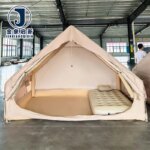
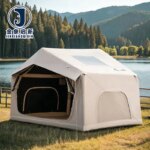
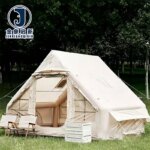
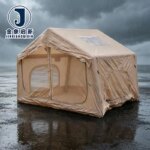
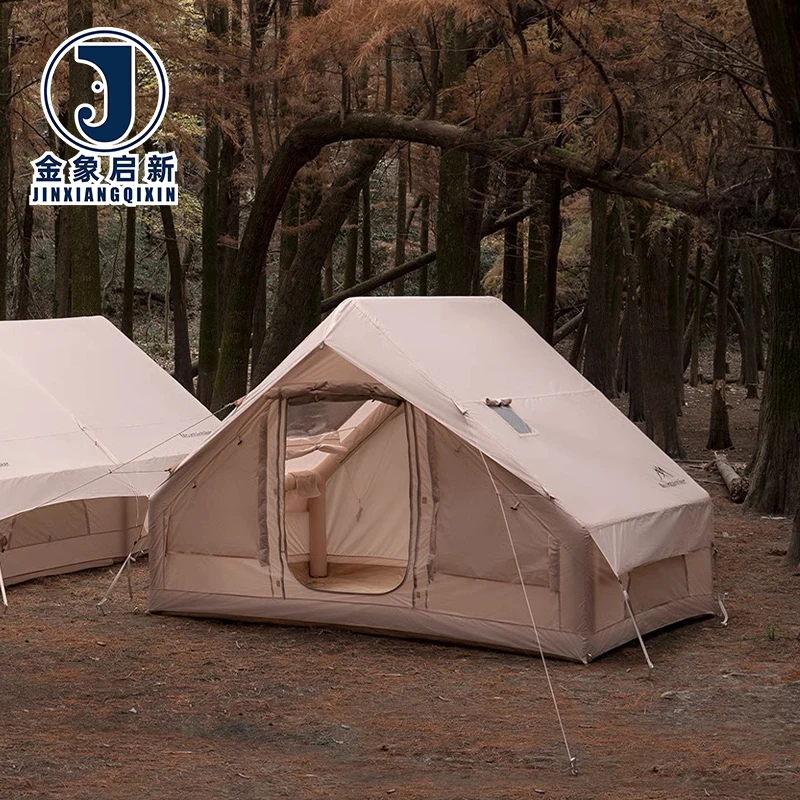
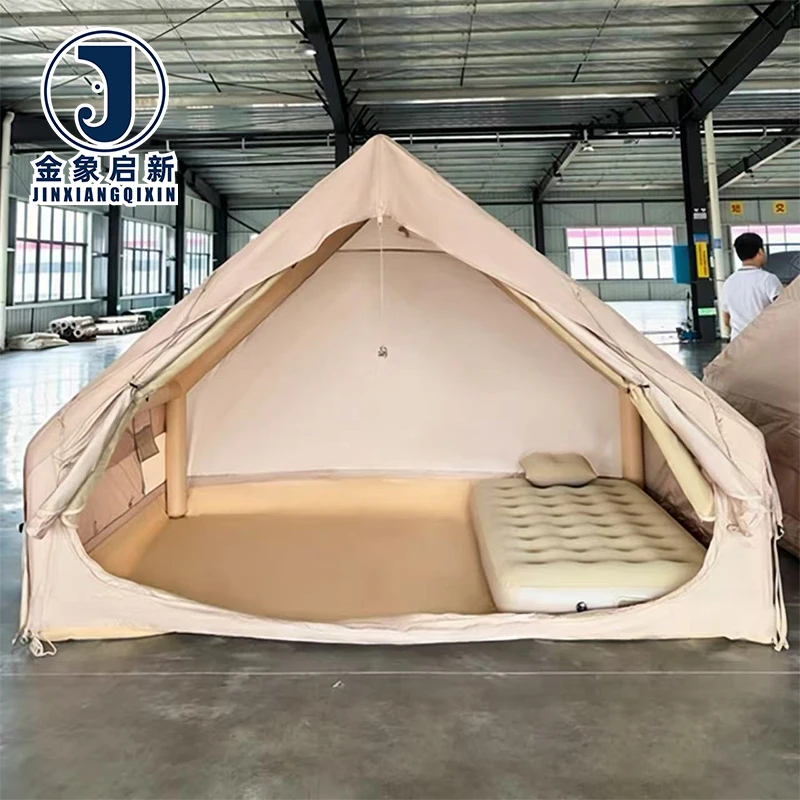
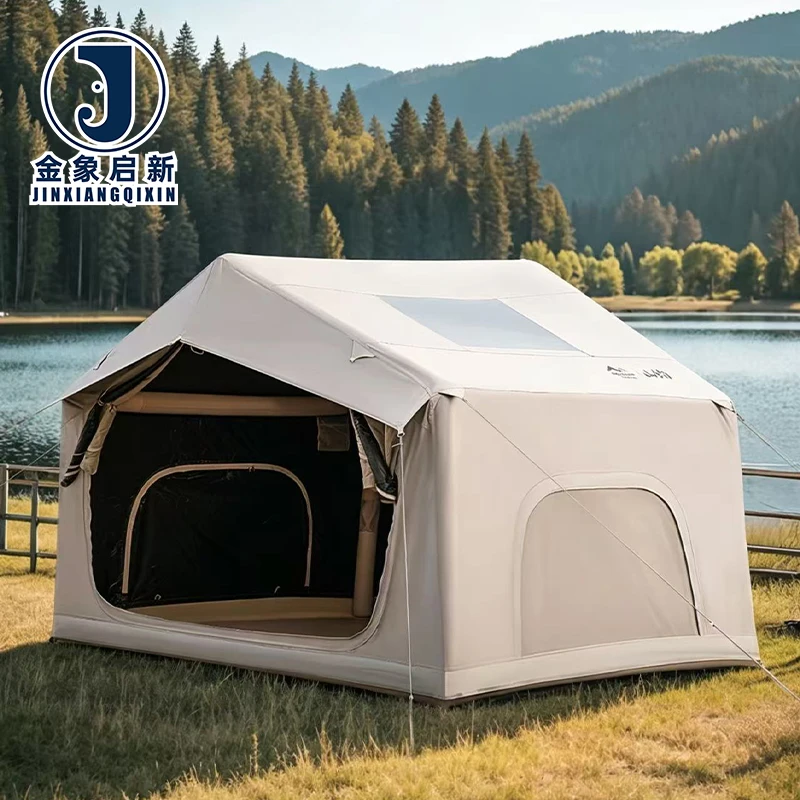
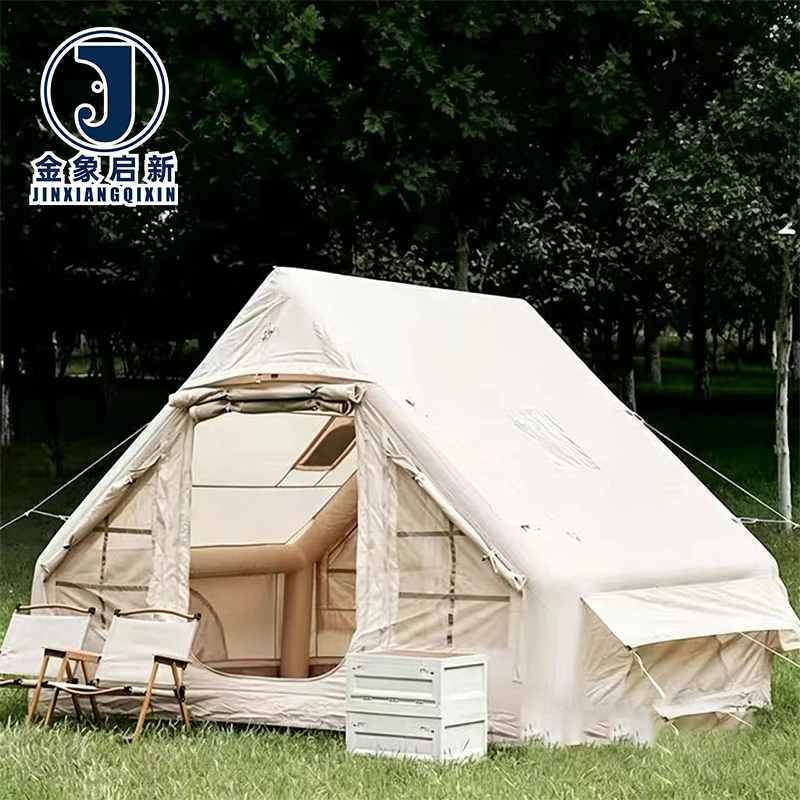
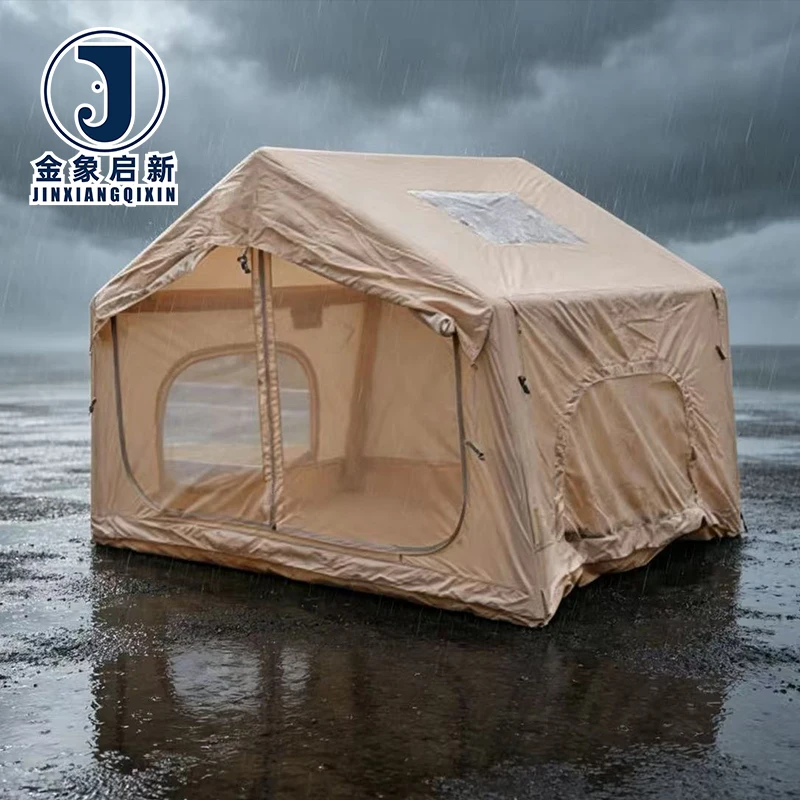
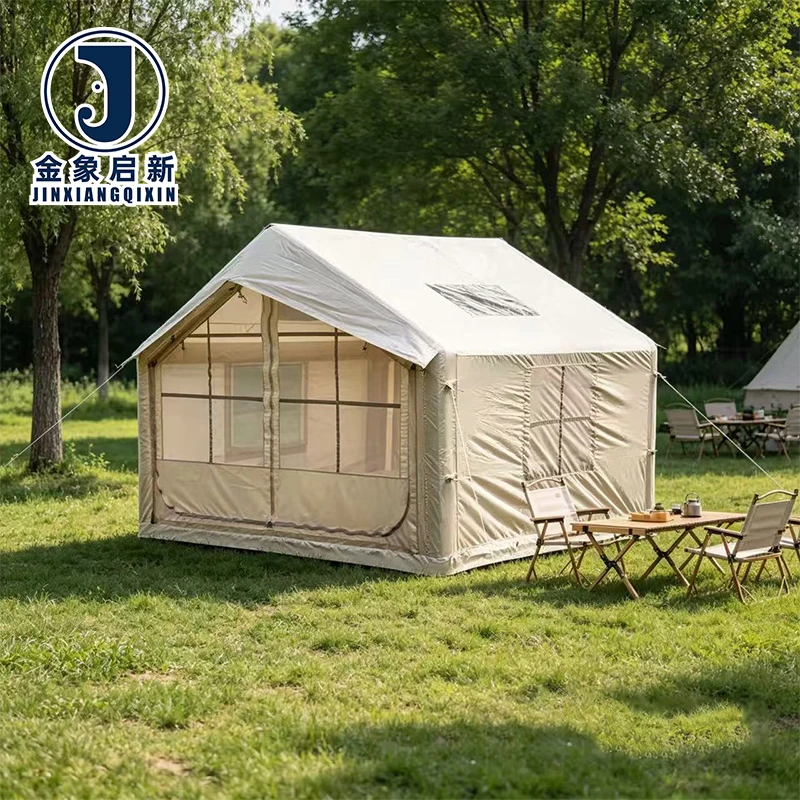
Coating Expertise Applied to Inflatables — nearly 30 years controlling PVC coating weight and adhesion, now engineered into inflatable tent structures for predictable batch performance.
Technical Specifications
| Parameter | Value |
|---|---|
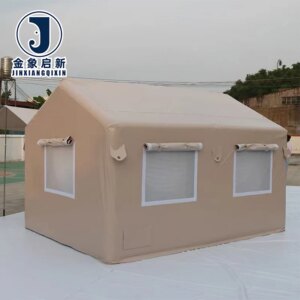
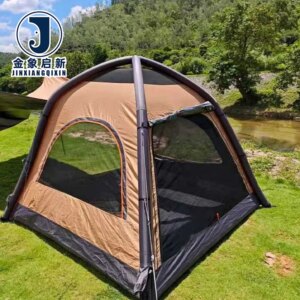
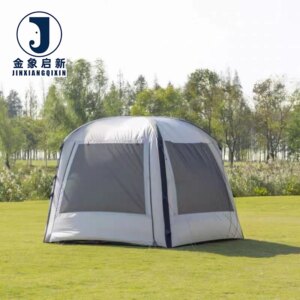
| Product Type | Inflatable Camping Tent 1-12 Person |
| Core Material | PVC tarpaulin |
| Season Rating | Four-season |
| Opening Mechanism | Quick automatic opening |
| Construction | Heavy duty |
| Capacity | 1-12 person |
| Water Resistance | Waterproof coated construction |
| UV Resistance | UV-resistant treatment available — confirm test basis for your deployment duration |
| Fire Retardancy | Available in fire-retardant grades — confirm the grade required for your market |
| Anti-Static | Available in anti-static grades — verify surface resistance against site regulations |
| Tear Resistance | Tear-resistant PVC construction |
| Certifications | ISO9001, ISO14001, ISO45001, CE |
| Customization | OEM & ODM: size, material thickness, pattern printing, design modifications |
Application Suitability
| Application | Exposure & Requirement |
|---|---|
| Temporary workforce accommodations | Continuous occupancy, wind loading on inflated beams, ground moisture, repeated inflation cycles |
| Mobile field stations for mining and construction | Dust ingress, equipment proximity, fire safety compliance, rapid redeployment |
| Outdoor event facilities | Frequent setup and breakdown, public occupancy fire codes, UV exposure during multi-day events |
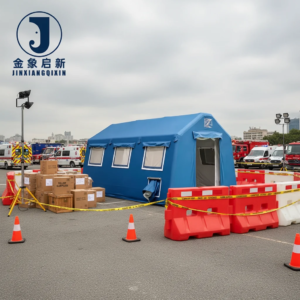
| Emergency response shelters | Immediate deployment under adverse weather, thermal retention, transport compactness |
| Commercial recreation operations | Guest turnover, abrasion from floor contact, cleaning chemical exposure, branding visibility |
When "Fire Retardant" Becomes a Liability Without a Grade
A fire-retardant claim without a documented grade leaves your deployment exposed to compliance failure at the first site inspection.
Commercial and industrial sites routinely demand proof that temporary shelters meet specific fire classifications before allowing occupancy. Purchasing inflatable tents with vague flame-resistance statements creates a gap between what the site safety officer requires and what the documentation supports. I have reviewed tenders where entire shelter orders were rejected at delivery because the fabric test report referenced a generic retardant treatment rather than the classification specified in the contract [NEED_CITE: fire classification standards for temporary structures and tents]. An inflatable tent aftermarket supplier must be able to furnish batch-specific test documentation tied to a recognized standard — otherwise the shelter is unusable on regulated sites regardless of how well it performs structurally.
Ventilation Duct Knowledge Translated to Shelter Design
The same fire-retardant and anti-static discipline applied to mining ventilation ducts carries over to inflatable camping tent manufacturing. Airflow management inside an inflated structure depends on beam integrity and fabric impermeability — a leak at a welded seam compromises both pressure retention and the thermal barrier. Our experience producing certified ducting for underground and aviation environments means seam welding parameters and material behaviour under sustained internal pressure are controlled from the coating stage, not adjusted as an afterthought. This Inflatable Tent aftermarket supplier applies identical QA checkpoints to shelter beam welds.
Pressure Retention and Fabric Behaviour Under Load
Inflatable structures rely on constant internal air pressure, which places continuous tensile stress on beam seams and panel joints. The PVC tarpaulin used here must resist creep — gradual deformation under sustained load — so that beam geometry holds through temperature swings and wind gusts. Coating adhesion to the base fabric directly determines whether the beam skin delaminates at stress concentration points. I have observed inflatable shelters where the beam fabric separated from the coating after repeated inflation cycles, a failure mode rooted in insufficient adhesion control during manufacturing [NEED_CITE: coating adhesion test methods for inflatable fabric structures].
Reading the Specs That Actually Matter
The base fabric denier and weave density set the tear propagation threshold — a higher denier yarn with tight weave spacing limits how far a puncture spreads before the surrounding structure arrests it. Coating weight contributes to abrasion resistance and waterproof integrity but does not compensate for a weak base fabric; the two must be specified together. The PVC coating method — whether knife-over-roll, laminating, or calendering — affects peel strength at welded seams and determines which heat-sealing temperatures the fabric tolerates during fabrication. Fire-retardant chemistry interacts with plasticiser formulation, so confirming compatibility between the retardant grade and the intended welding method avoids weak joints [NEED_CITE: relationship between PVC plasticiser type and heat-weld strength in coated fabrics].
The Cost of Overlooking Batch Consistency
When multiple inflatable units deploy across a single site, colour variation between rolls becomes visible the moment tents stand side by side — a cosmetic issue that triggers rejection on branded event installations. More critically, inconsistent coating weight across a batch means some units will lose internal pressure faster than others, forcing operators to run compressors at different settings and creating unpredictable maintenance demand. I have seen commercial operators replace entire shelter sets because beam stiffness varied between units, making standardised setup procedures impossible [NEED_CITE: batch consistency testing for coated fabric used in inflatable structures].
Why Source Inflatable Tent Fabric Here
Three full production lines and 36 sets of processing equipment give this Inflatable Tent aftermarket supplier the capacity to deliver matched batches for multi-unit deployments without splitting orders across external coating houses. A 10-technician R&D team handles material selection, pattern printing, and size modifications in-house, so sample approval leads directly into production without specification handoff errors. Dedicated QA and QC staff inspect every stage — cutting, welding, assembly, and pressure testing — with full inspection before shipment. ISO9001, ISO14001, ISO45001, and CE certifications provide auditable process documentation for regulated procurement. Nearly 30 years of coated fabric specialisation means the team understands how PVC formulation choices affect long-term inflation performance.
Documentation & Verification
- Material specification sheet stating PVC coating weight, base fabric denier, and colour reference
- Fire-retardant test report citing the specific grade achieved by the batch supplied
- Anti-static surface resistance data aligned with mining or hazardous environment requirements
- Pre-shipment pressure test and waterproof verification record for each inflatable unit
- ISO and CE certificates with validity dates for buyer compliance records
- Roll packing list with unit identification for traceability across multi-unit orders
Fabrication, Handling & Storage
- Weld beam seams at manufacturer-specified temperatures to match the PVC plasticiser formulation
- Store deflated units dry and loosely folded to prevent permanent crease marks on the PVC coating
- Use compatible repair adhesive matched to the PVC tarpaulin coating chemistry for field patching
- Avoid dragging inflated beams across abrasive ground surfaces during site positioning
- Clean with pH-neutral detergent to preserve fire-retardant and anti-static surface treatments
What to Include in Your Enquiry
Specify your deployment environment — wind zone, expected temperature range, and ground conditions — so we recommend appropriate PVC weight and beam diameter. State any fire-retardant grade or anti-static classification required by your site safety regulations or local authority. Confirm the quantity of units needed per batch to ensure colour and stiffness consistency across the full order. Indicate whether you require finished tents with printed branding or cut panels for your own assembly process. Request sample production to validate inflation performance and seam strength before committing to full-scale manufacturing.
Frequently Asked Questions
Q: What fire-retardant grades can the inflatable tent fabric achieve?
A: The PVC tarpaulin is available in fire-retardant formulations suited to different regulatory frameworks. We supply the specific test report and grade achieved by the batch produced for your order. Confirm your site’s required classification — whether based on local building codes, mining regulations, or event licensing standards — so we match the correct formulation and provide verifiable documentation.
Q: How do you verify anti-static properties for hazardous environment use?
A: Anti-static treatment is available for inflatable tent fabric destined for mining or combustible-dust environments. Surface resistance values are measured and documented per batch. Provide your site’s required resistance range or applicable standard so we confirm the treatment meets your compliance threshold before production begins.
Q: What is the OEM and ODM customisation process?
A: Our 10-technician R&D team works from your design brief — covering size, beam configuration, material thickness, and pattern printing requirements. We produce samples for inflation testing and approval, then move to full production once specifications are confirmed. Modifications to panel layout, door positions, and ventilation openings are handled within the same workflow.
Q: How is batch consistency maintained across large multi-unit orders?
A: All units in a single order are produced from matched PVC tarpaulin rolls on the same production lines. QA staff monitor coating weight, colour, and beam weld parameters throughout the run. Each unit undergoes pressure testing before dispatch, and a batch-specific inspection report accompanies the shipment.
Q: What UV resistance documentation can I request?
A: UV-resistant treatment is available for the inflatable tent PVC fabric. The test basis and exposure duration supporting the claim depend on the specific formulation selected. Request the UV test report applicable to your batch, and specify your expected continuous outdoor deployment period so we recommend the appropriate treatment level.