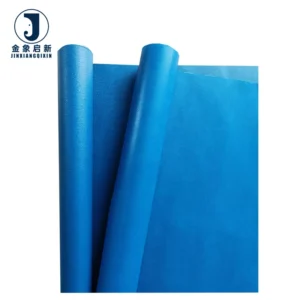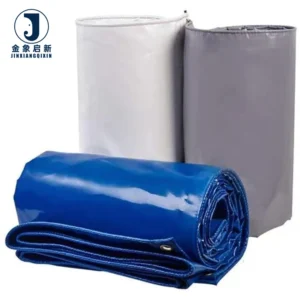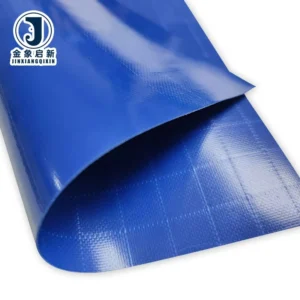
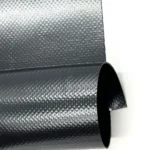
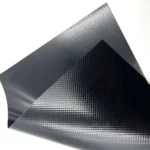
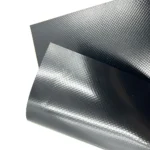
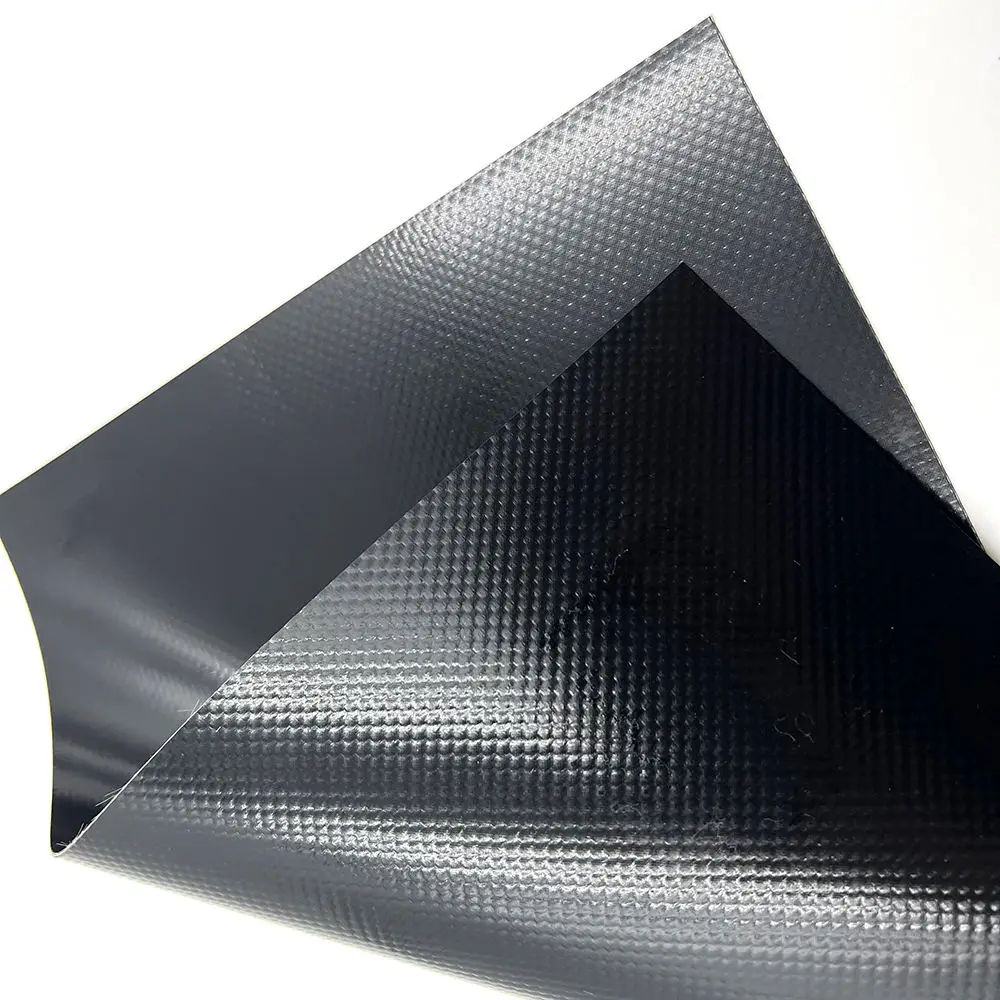
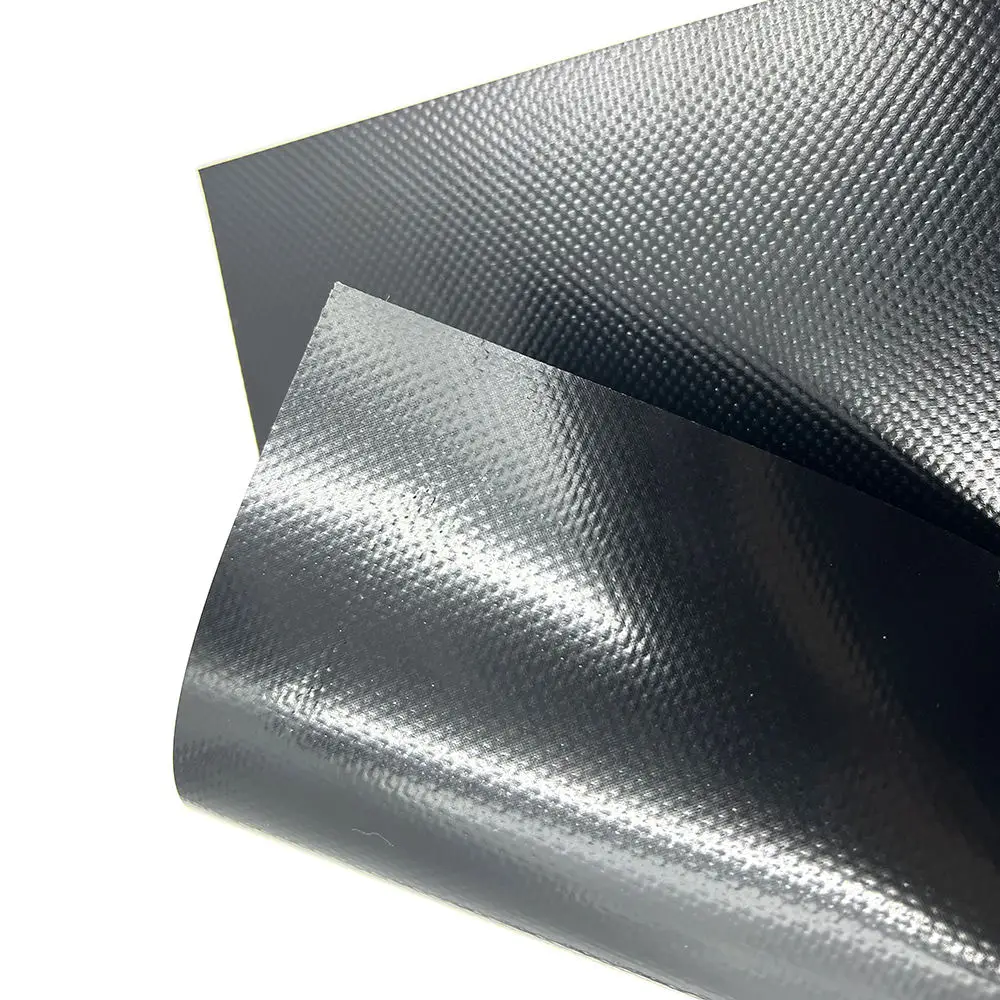
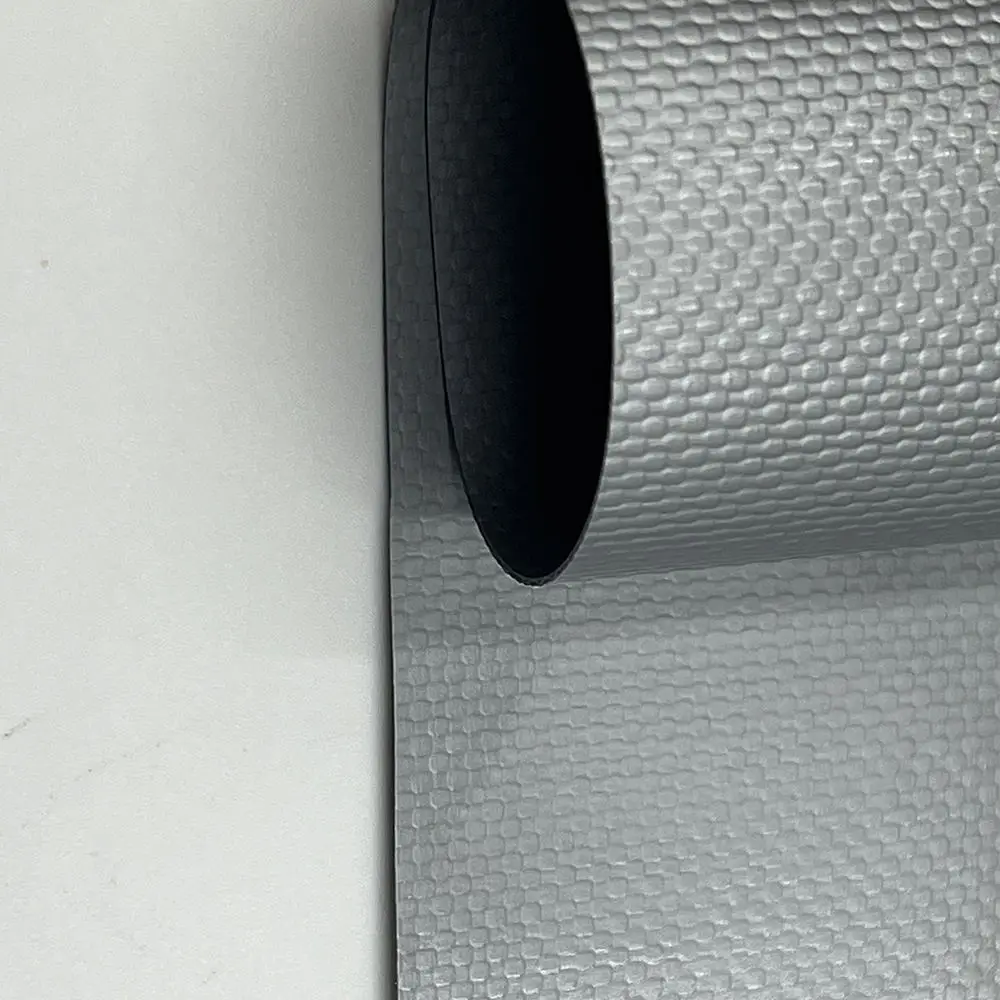
Specialist Coating Expertise — Nearly 30 years focused on coated fabric manufacturing, providing deep process control over adhesion and coating weight for technical applications.
Technical Specifications
| Parameter | Value |
|---|---|
| Product Type | PVC Coated Tarpaulin |
| Coating Method | Knife Coated |
| Material | PVC |
| Color | Gray |
| Water Resistance | Waterproof |
| Fire Retardant | Available (Grade available upon request) |
| UV Treatment | UV Resistant |
| Mildew Proof | Yes |
| Antibacterial | Yes |
| Chemical Resistance | Oil, Stain, Acid, and Alkali resistant |
| Temperature Resistance | High temperature and cold resistant |
| Surface Feature | Self-cleaning system |
| Welding Options | HF, Hot Air, Sewing |
| Standards | ISO, CE |
Application Suitability
| Application | Exposure & Requirement |
|---|---|
| Airport Hangars | Large-scale membrane coverage, strict fire safety compliance, wind load tension |
| Stadium Architecture | Long-term UV exposure, complex curvature welding, self-cleaning requirements |
| Tensile Structures | High tensile stress at anchor points, weather resistance, seam integrity |
| Portable Storage | Abrasion from assembly/disassembly, waterproofing, chemical exposure |
| Ventilation Ducts | Airflow pressure, fire retardant compliance, anti-static needs (mining/tunnelling) |
Why "Fire Retardant" Is Not Enough for Aviation and Mining Projects
Certification is the only metric that matters when a site inspector asks for the paperwork.
When sourcing PVC knife coated tarpaulin for regulated environments like aviation hangars or mining ventilation, a simple "Yes" in the fire retardant column is insufficient. We have seen projects stalled because the fabric arrived with a generic claim but lacked the specific M2, B1, or NFPA 701 test report required by local safety officers [NEED_CITE: fire safety compliance standards for temporary structures]. Without the documentation to back up the chemical treatment, the material is essentially non-compliant upon arrival. This technical grade fabric is produced to meet specific safety thresholds, but the grade must be matched to your project’s regulatory framework before production begins.
Structural Integrity Under High-Tension Loads
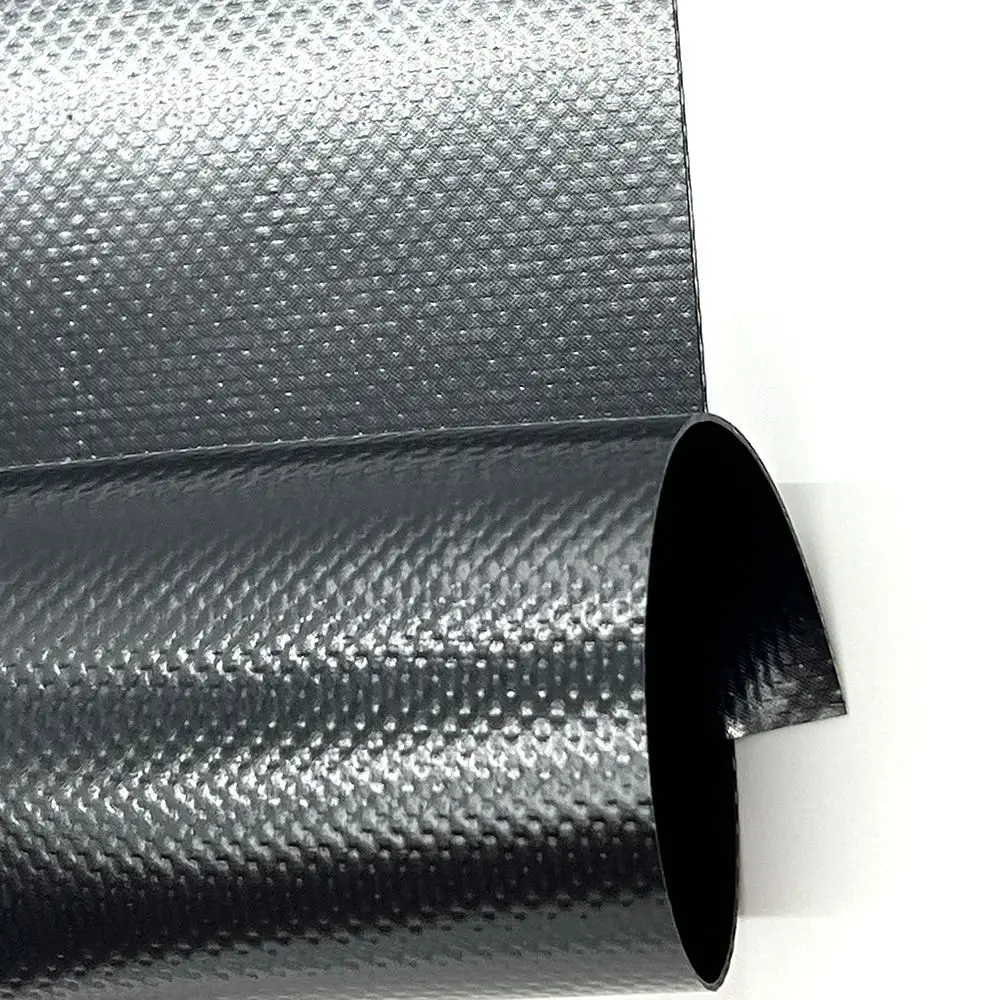
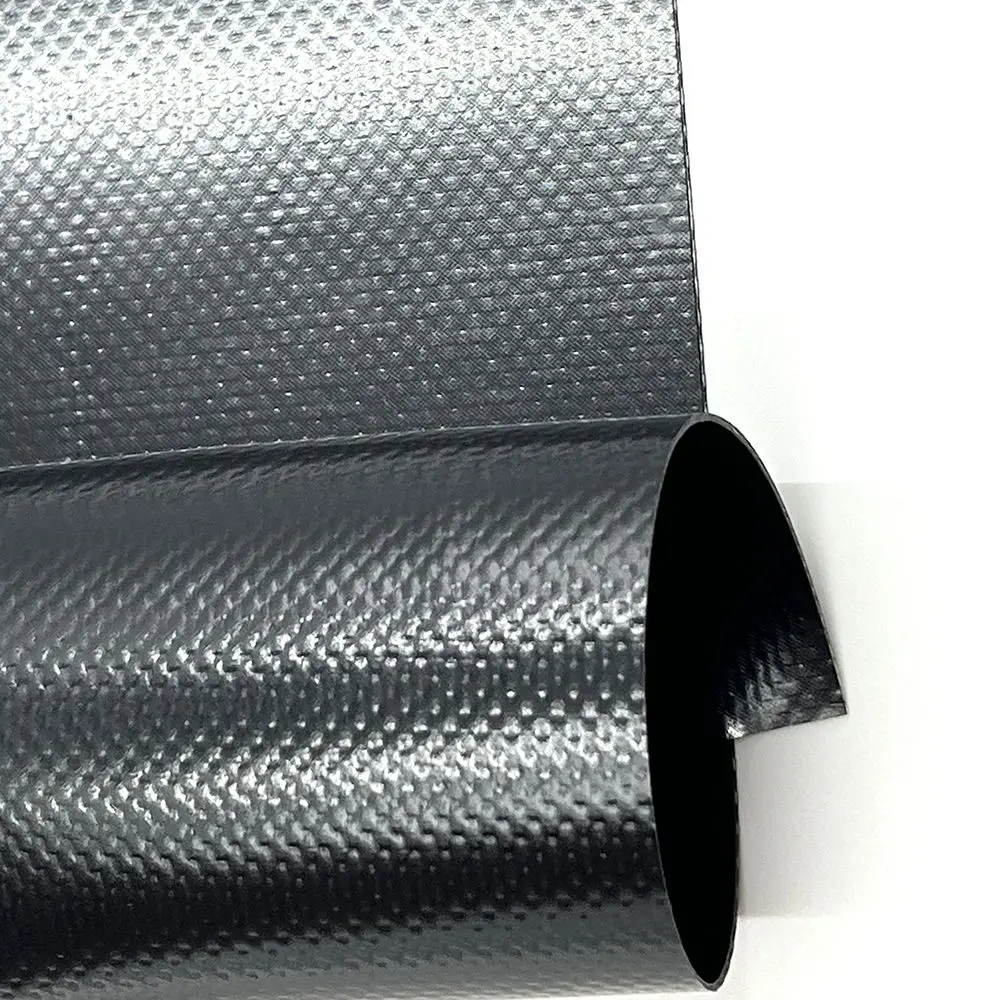
For architects and engineers designing tensile structures or stadium canopies, the coating adhesion is just as critical as the base fabric strength. Knife coated PVC tarpaulin provides a consistent thickness that ensures the weld line remains as strong as the fabric itself. When a membrane is tensioned across a large span, the stress concentrates at the seams; if the coating is poorly bonded, it can delaminate under load. Our production process ensures the PVC penetrates the base scrim effectively, creating a unified material that resists peeling at the joints.
Environmental Resilience and Surface Maintenance
In applications like shade systems or large-format technical textiles, the surface of the fabric dictates long-term maintenance costs. The self-cleaning system integrated into this PVC knife coated tarpaulin allows dirt and pollutants to be washed away by rainfall, preserving the gray aesthetic and reducing manual cleaning cycles. Additionally, the material’s resistance to acid, alkali, and oil makes it suitable for industrial environments where chemical exposure is a risk [NEED_CITE: chemical resistance testing for industrial textiles]. This durability extends to temperature extremes, where the fabric remains flexible in cold conditions without becoming brittle.
Decoding the Technical Specs: GSM and Coating Weight
The relationship between base fabric denier and total GSM (grams per square meter) defines how the material handles puncture and tear. A heavy coating does not automatically mean high tensile strength; the real performance comes from the weave of the base scrim and how the knife coating process locks those fibers in place. For technical buyers, specifying the right balance is essential: enough coating to provide waterproofing and UV protection, but a dense enough base to handle the mechanical loads of a tensioned roof or inflatable structure. We verify these metrics against the material specification sheet before any roll is shipped.
The Cost of Incorrect Welding Parameters
The most common failure point in fabricated membrane structures is the weld line. If the hot air or HF welding temperature is too high for the specific coating weight, the PVC can degrade; too low, and the seam will fail under structural load. Because our PVC knife coated tarpaulin supports multiple welding methods, it is vital to test a sample batch to establish the optimal speed and temperature for your specific equipment [NEED_CITE: high-frequency welding parameters for PVC coated fabrics]. A mismatched specification here can lead to costly rework or, worse, structural failure after installation.
Why Technical Buyers Choose This Source
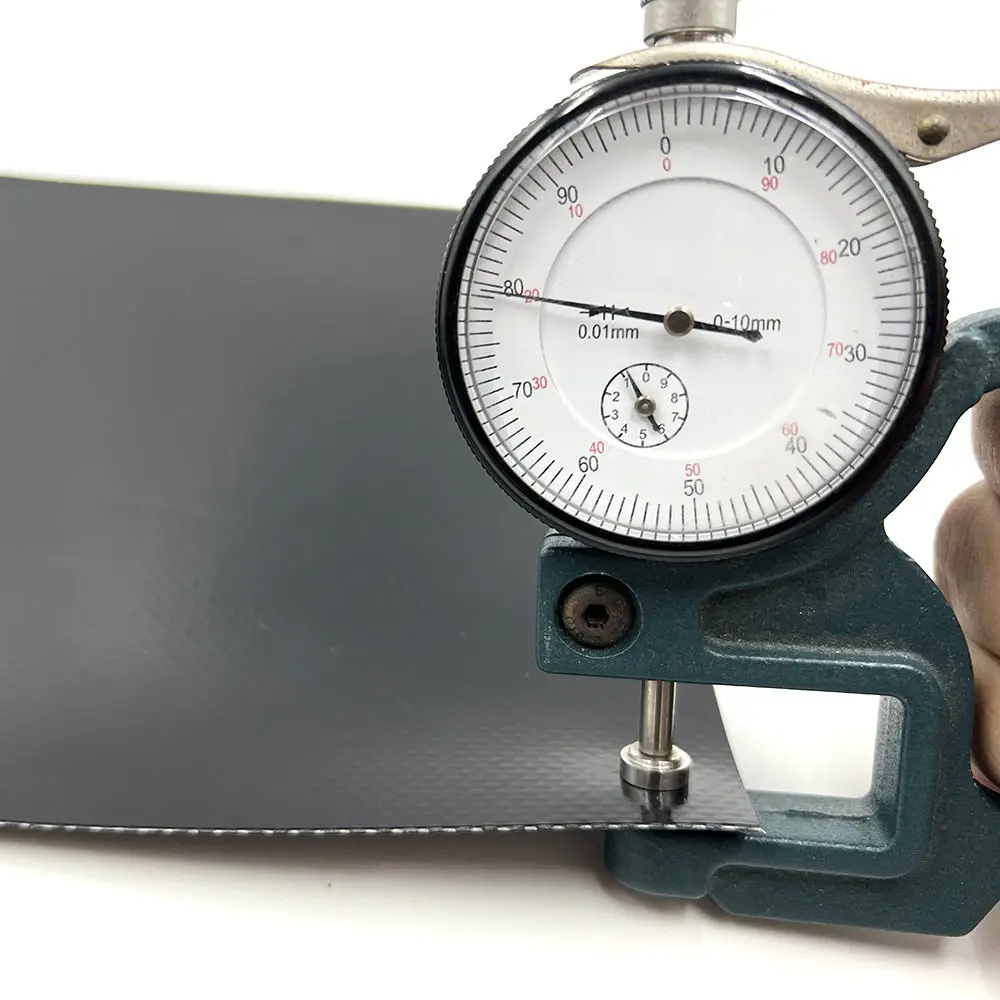
We provide material specification sheets that detail the exact coating weight and base fabric construction, ensuring what you order is what you receive. Every roll of PVC knife coated tarpaulin undergoes a pre-shipment inspection to verify batch consistency in color and thickness. Our R&D team supports custom sizing and pattern printing for large-scale architectural projects, ensuring the material fits the site dimensions precisely. Furthermore, we supply the necessary certificates of origin and test reports required for export to regulated markets, removing the administrative burden from your procurement team.
Documentation & Verification
- Material spec sheet stating verified GSM and coating method for every batch.
- Fire retardant test reports (M2/B1/NFPA) matched to project compliance needs.
- Pre-shipment inspection record with roll-by-roll consistency checks.
- Certificate of origin and customs support for international technical textile trade.
- ISO and CE documentation included for regulated construction and aviation markets.
Fabrication, Handling & Storage
- Verify HF or hot air welding settings on a sample of the gray knife coated roll.
- Store rolls horizontally to prevent permanent creasing in the PVC coating layer.
- Use compatible PVC-based cleaners to maintain the self-cleaning surface properties.
- Allow material to acclimate to site temperature before tensioning or final welding.
- Reinforce eyelet areas with additional fabric patches to handle high tie-down loads.
Requesting a Technical Proposal
To ensure the PVC knife coated tarpaulin meets your engineering requirements, please provide the total square meterage, required roll widths, and the specific fire safety standard for your region. If your project involves custom branding or specific color matching for architectural aesthetics, include your reference codes. We will then develop a sample for your approval to confirm the welding compatibility and tensile performance before full-scale production.
Frequently Asked Questions
Q: Which fire-retardant grade does my aviation or mining project require?
A: Requirements vary by region and application; aviation hangars often require specific certifications like NFPA 701 or B1. We provide test-backed documentation for the grade you specify. It is essential to confirm the local building code or site safety standard before we begin production to ensure the PVC knife coated tarpaulin passes final inspection.
Q: How do you guarantee GSM consistency across multiple rolls?
A: We use a dedicated QA/QC process that involves weighing and measuring every roll against the material specification sheet before it is packed. This ensures the coating weight and base fabric density remain uniform, preventing variations in tensile strength or welding behavior during your fabrication process.
Q: What welding methods are recommended for this knife coated fabric?
A: This fabric is compatible with High Frequency (HF), Hot Air, and Sewing. For structural membranes and tensile architecture, HF or Hot Air welding is preferred to create watertight, high-strength seams. We recommend running a test weld on a sample piece to calibrate your machine’s temperature and speed settings.
Q: Can you match a specific gray shade for a stadium canopy?
A: Yes, our 10-person R&D team can develop custom colors to match architectural specifications. We provide a physical sample for approval and maintain strict process control during production to ensure color consistency across all rolls in a single order, avoiding visible variations once installed side-by-side.