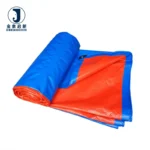
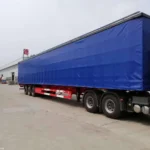
Coated Fabric Expertise — Nearly 30 years of process control over HDPE weaving and LDPE lamination, applied to specialist-grade PE tarpaulin for compliance-driven ventilation and technical fabric projects.
Technical Specifications
| Parameter | Value |
|---|---|
| Product Type | PE Tarpaulin |
| Materials | HDPE weaving with LDPE lamination on both sides |
| Weight (GSM) | 50g/m² ~ 220g/m² (confirm the grade for this item) |
| Total Thickness | 0.2–0.4mm / 8 mil–16 mil / Custom |
| Mesh Count | 6×6, 6×7, 7×7, 7×8, 8×8, 9×9, 8×10, 10×10, 12×12, 14×14, 14×16 |
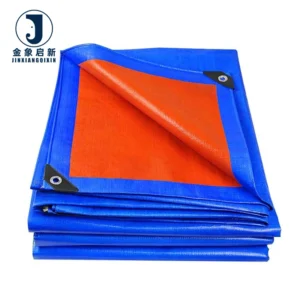
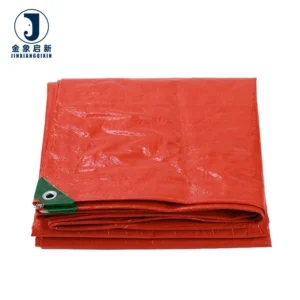
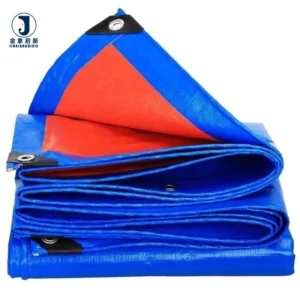
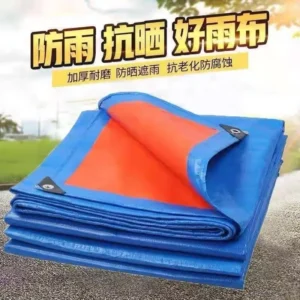
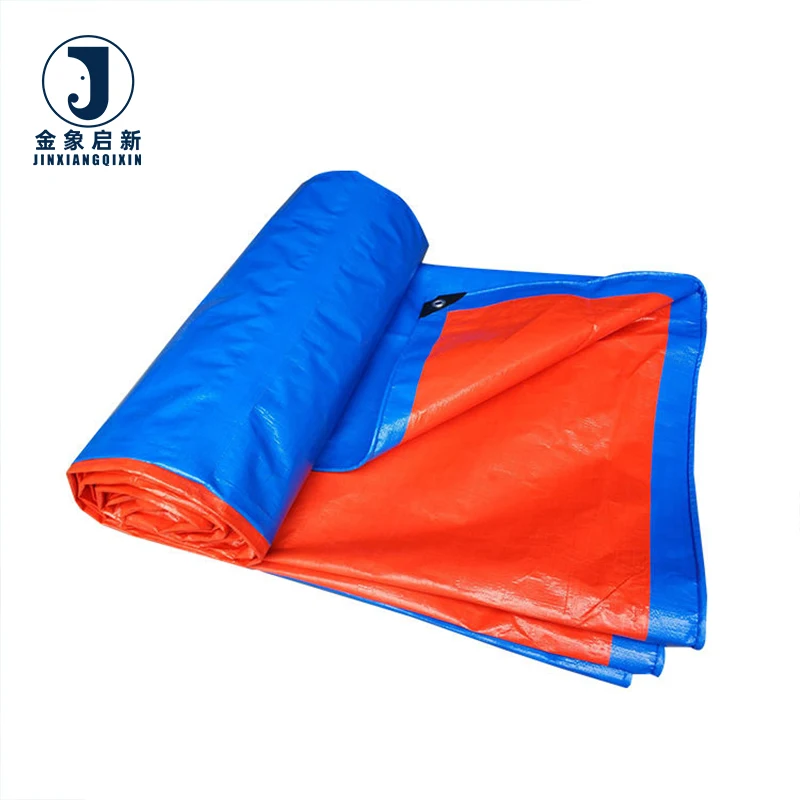
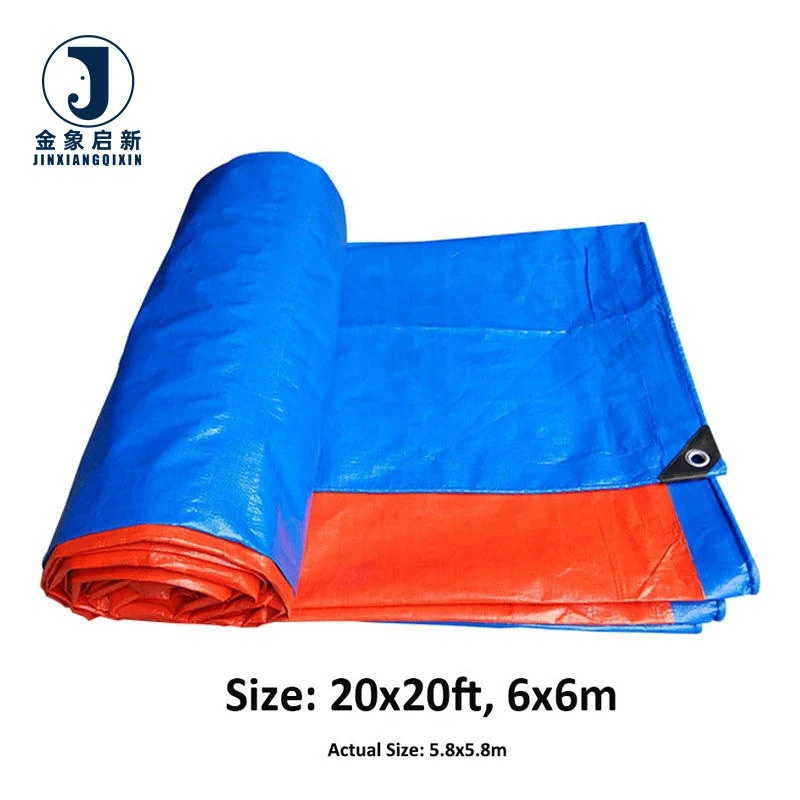
| Color | Blue, Blue/Orange, Green, Grey, Black, Clear, Grey/Green, Orange, or custom |
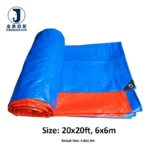
| Roll Width | 6ft, 8ft, 10ft, 12ft or 2m, 4m, 6m |
| Roll Length | 100 yards, 100 meters, or custom |
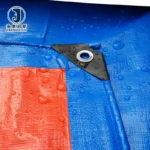
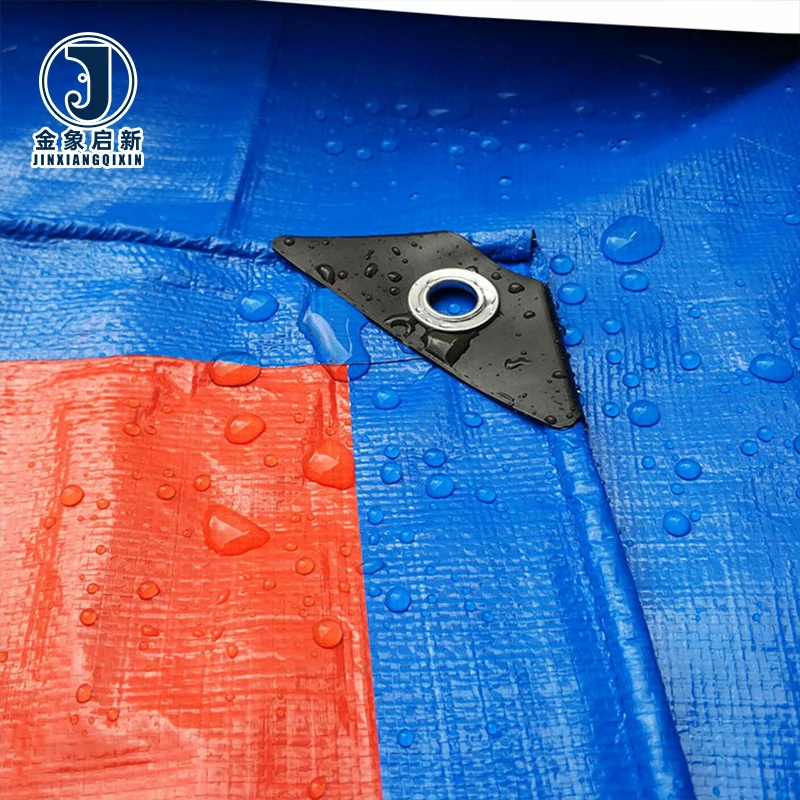
| Finished Edges | PP rope reinforced hem on all four sides |
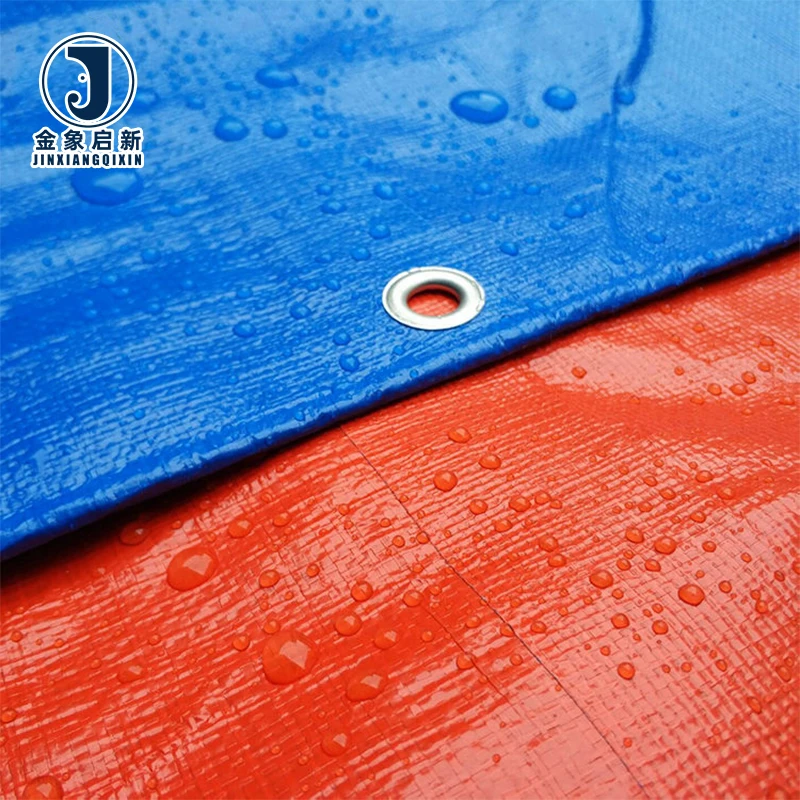
| Eyelets | Galvanized, every 3ft or 1 meter |
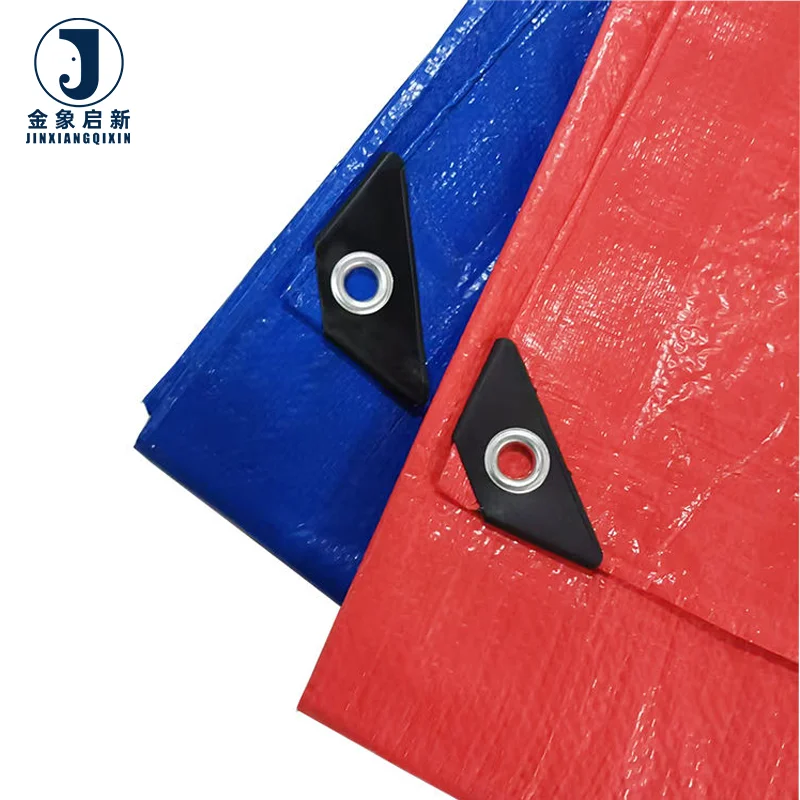
| Corners | Reinforced plastic |
| Key Features | Waterproof, mildew proof, anti-aging, UV treatment available (test basis not stated), flame retardant grades available — confirm the grade required for your market |
| Standards | ISO, CE |
Application Suitability
| Application | Exposure & Requirement |
|---|---|
| Mining and tunnelling ventilation duct | Continuous airflow, suspended duct runs, fire-retardant and anti-static compliance required underground |
| Aviation ground support ventilation | Jet blast proximity, fuel vapour zones, certified flame-retardant fabric demanded by airfield safety officers |
| Construction site ventilation systems | Dust-laden air, mechanical abrasion from duct flexing, temporary install with frequent repositioning |
| Membrane and inflatable structures | Sustained air pressure, UV exposure on external skins, dimensional stability under biaxial tension |
| Temporary industrial enclosures | Welding spark proximity, chemical mist, requirement for documented fire classification |
What "Fire Retardant" Means When No Grade Is Named on the Datasheet
A flame-retardant claim without a referenced standard is a marketing phrase, not a specification.
Ventilation duct fabric arrives on a mining site and the safety officer asks for the test certificate. The quotation says "flame retardant" but no grade, no standard, no test body is named. The duct hangs idle while procurement chases paperwork, and the contractor absorbs delay costs against a project schedule that has no slack. [NEED_CITE: fire-retardant classification systems for industrial textiles including M2, B1, NFPA 701]
The same gap appears with anti-static PE tarpaulin specified for underground use. Surface resistivity matters in methane-bearing environments, yet datasheets often omit the measured value and the applicable mining standard. Without that data point, compliance audits stall and shipments sit at the port of entry awaiting supplementary documentation. Sourcing PE Tarpaulin fire retardant / anti-static / certified material means insisting on the test report before the purchase order is signed, not after the container is on the water.
Ventilation Duct Fabric and the Compliance Documentation Gap
Mining and tunnelling projects operate under ventilation regulations that name specific fire and anti-static thresholds. A PE Tarpaulin fire retardant / anti-static / certified grade must carry a test report referencing the exact standard the site inspector will check — whether that is a national mining code, an ISO classification, or a regional building material directive. Supplying the fabric without that paperwork turns a material delivery into a compliance bottleneck.
How Weave Density Translates to Duct Performance Under Negative Pressure
Ventilation ducts in tunnelling run under sustained negative pressure, pulling the fabric inward against the suspension rings. Higher mesh counts such as 12×12 or 14×14 produce a tighter weave that resists this inward deformation, keeping the duct cross-section open and maintaining designed airflow volume. A lighter 7×7 weave may save on material cost but will collapse locally at high static pressure, reducing system efficiency and forcing the fan to work harder. [NEED_CITE: tensile and tear test methods for coated fabrics per ISO 1421]
Reading GSM and Mesh Count Together for Specification Accuracy
GSM alone tells you how much material is in a square metre but not how that weight is distributed. A 90gsm fabric woven at 8×8 uses thicker yarns in a looser grid, while 90gsm at 8×10 achieves the same weight through more intersections of finer yarn. The looser weave may show higher single-yarn tensile figures but lower tear propagation resistance because a rip can travel along the wider gap between yarns before meeting the next cross-yarn. For duct applications where puncture from rock contact is a realistic risk, the tighter weave arrests tear growth earlier. Thickness and LDPE lamination weight also influence weld strength at longitudinal seams — the point where most duct failures originate under cyclic pressurisation.
The Cost of Specifying on Price Per Kilogram Instead of Performance Data
When PE tarpaulin is purchased on a per-kilogram basis without locking mesh count and treatment requirements, the supplier has room to hit the GSM target by adjusting yarn denier and lamination thickness independently. The delivered roll may weigh correctly on the scale yet behave differently under tension and heat welding than the sample approved during the quotation stage. Batch-to-batch variation in weave density shows up as inconsistent weld parameters on the fabrication floor, forcing operators to adjust temperature and dwell time roll by roll. [NEED_CITE: relationship between weave density and seam peel strength in laminated fabrics]
Why Procurement Teams Choose Jinxiang for Technical PE Fabric
Process control over HDPE weaving and LDPE lamination has been refined across nearly three decades of coated fabric production, giving consistent coating adhesion roll after roll. Three full production lines and 36 sets of professional equipment provide the capacity to fulfil bulk duct fabric orders within the project timeline. A 10-person R&D team handles material selection, custom sizing, and sample development so that specification changes are validated before production starts. Dedicated QA and QC checkpoints at every production stage culminate in a 100 percent pre-shipment inspection, meaning every roll is measured and documented before it leaves the factory. Custom widths, colours, and treatments are developed as samples within days, allowing compliance verification before the main order runs.
Documentation & Verification
- Material specification sheet stating GSM, base fabric denier, mesh count, and colour reference for every roll
- Flame-retardant test report referencing the applicable standard where treatment is specified
- Anti-static surface resistivity data provided for grades intended for underground or fuel-zone use
- ISO and CE certificates included in the dispatch documentation package
- Pre-shipment inspection record confirming weight and dimensional checks before container loading
Fabrication, Handling & Storage
- Heat-weld longitudinal seams at temperatures matched to the LDPE lamination thickness to avoid delamination at the duct joint
- Reinforce suspension ring attachment points with additional fabric patches, distributing load beyond the galvanized eyelets
- Store rolls upright on hard paper tubes in a dry environment to prevent permanent creasing of the LDPE coating
- Allow cold-stored rolls to reach ambient temperature before unrolling to avoid micro-cracking in the lamination layer
- Use mild detergent for field cleaning; avoid solvent-based products that can soften the LDPE surface and reduce weld integrity
- Overlap cut panels by a minimum margin that accounts for the fabric thickness before hot-air welding to ensure full seam contact
Requesting a Quotation for Specialist-Grade PE Duct Fabric
Provide the ventilation system operating pressure, the fire-retardant or anti-static standard your site inspector requires, and the duct diameter and section length you need fabricated or supplied in roll form. Share your annual volume estimate and whether you need finished ducts with welded seams or roll stock for your own fabrication facility. If colour coding is used to distinguish intake from exhaust lines on site, specify the colour reference so we can develop a sample for your approval before production begins.
Frequently Asked Questions
Q: Which fire-retardant grades are available for PE tarpaulin used in ventilation ducts?
A: PE Tarpaulin fire retardant / anti-static / certified grades are available across a range of classifications. The specific grade must match the compliance framework your project references — whether M2, B1, NFPA 701, or a national mining standard. Share your target market and the applicable code so the correct test report can be prepared before shipment.
Q: How is anti-static performance specified for underground duct applications?
A: Anti-static PE tarpaulin is characterised by surface resistivity, measured in ohms per square. Different mining jurisdictions set different thresholds. Provide the regulation your site operates under so we can supply fabric tested to the relevant method and include the measured value in the documentation package.
Q: How do I verify that the GSM on arrival matches the quotation?
A: Every roll is checked against the stated GSM during pre-shipment inspection, and the weight verification record is included in the dispatch documentation. You can cross-reference this with your own incoming inspection. Mesh count and yarn denier are also listed on the material specification sheet for independent confirmation.
Q: What custom widths and roll lengths can be produced for duct fabrication?
A: Standard roll widths extend to 6m with lengths of 100 yards or 100 metres as baseline options. Custom widths and lengths are developed based on your duct diameter and section requirements. Samples are produced within days for your approval, allowing weld parameter testing before the main production run.
Q: What documentation ships with each order for import clearance?
A: Each dispatch includes a material specification sheet, packing list by roll, certificate of origin, and customs support documentation. Where flame-retardant or anti-static treatment is specified, the corresponding test report referencing the applicable standard is included. ISO and CE certificates accompany the shipment as standard.