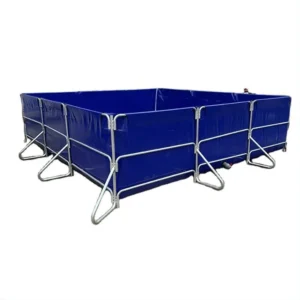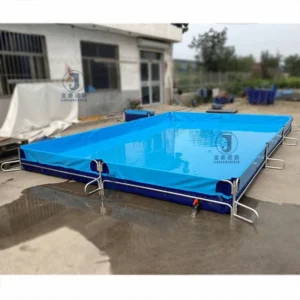

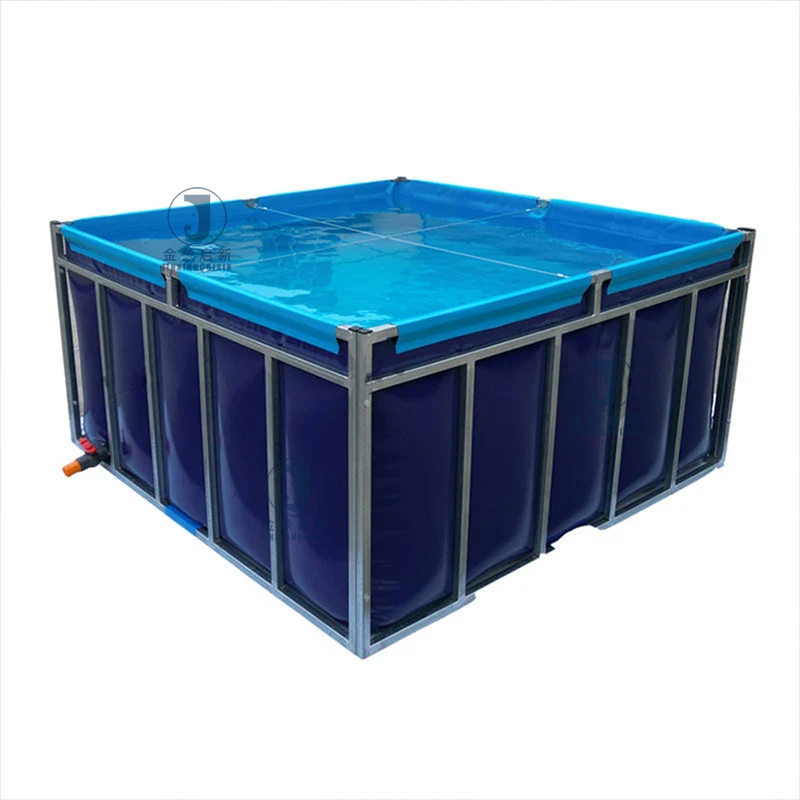
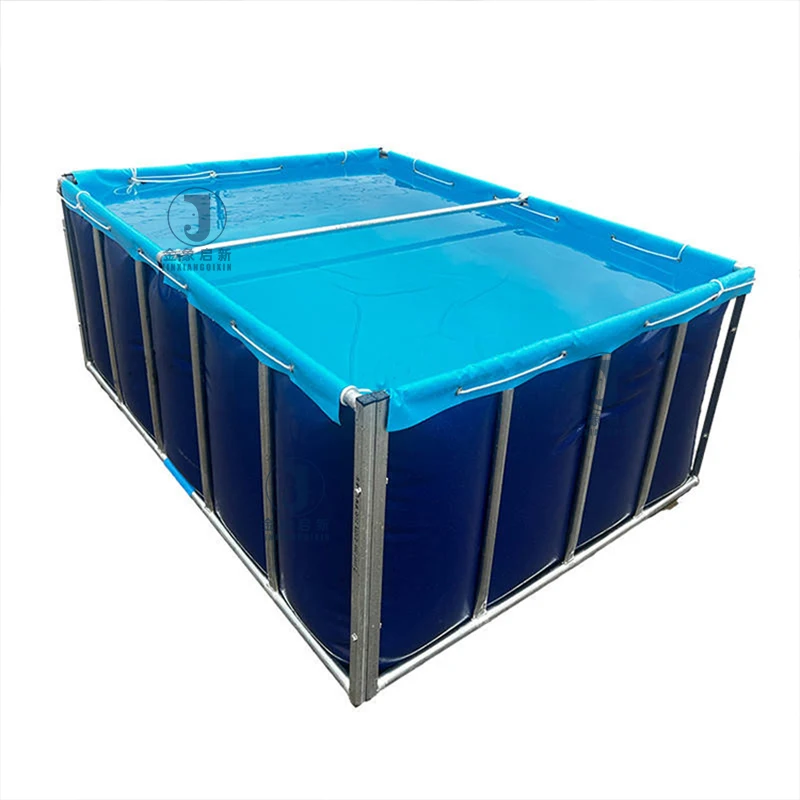
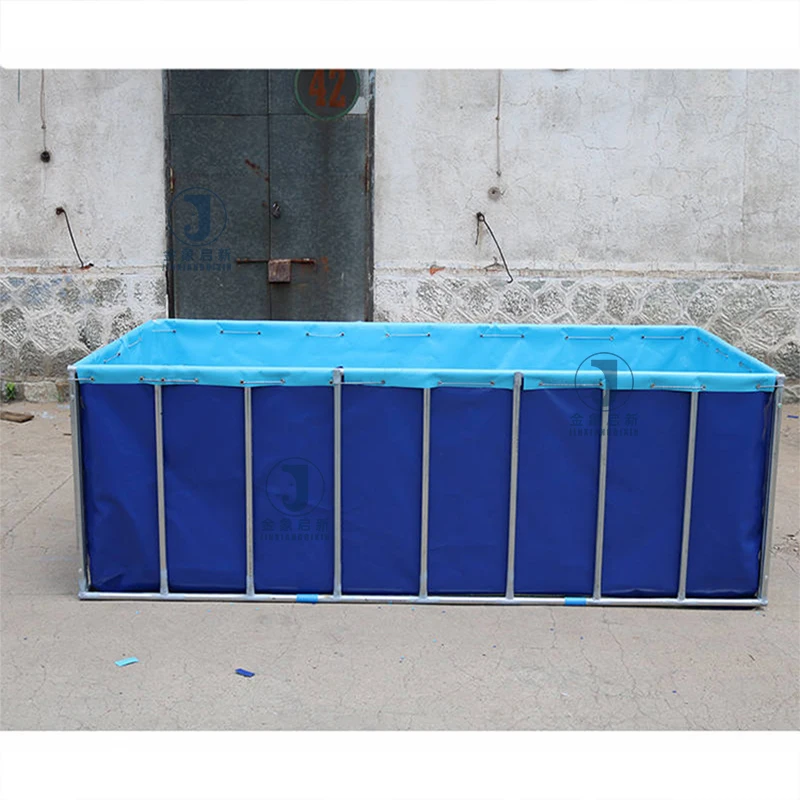
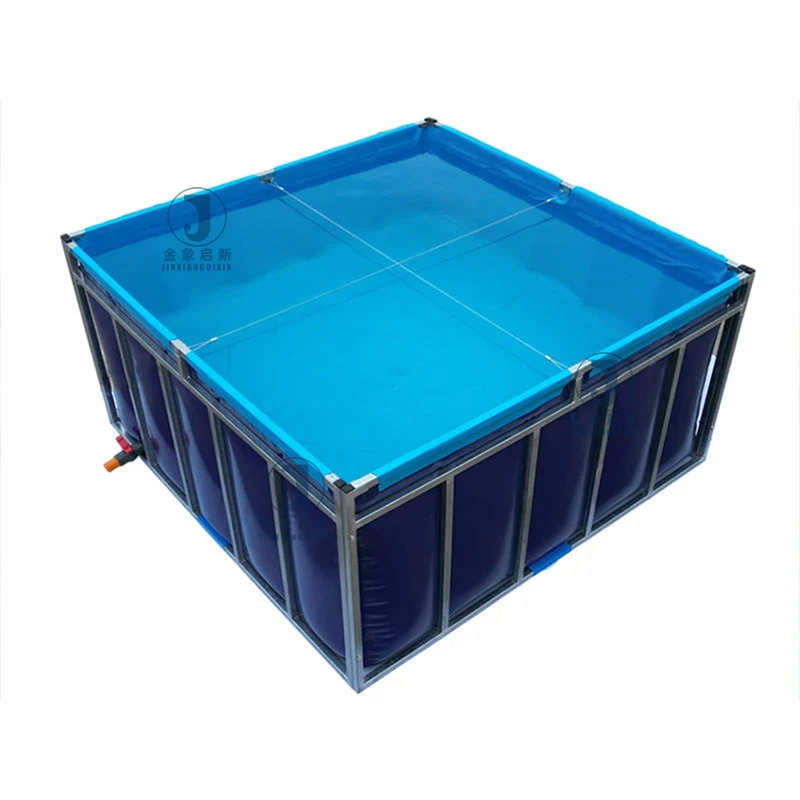
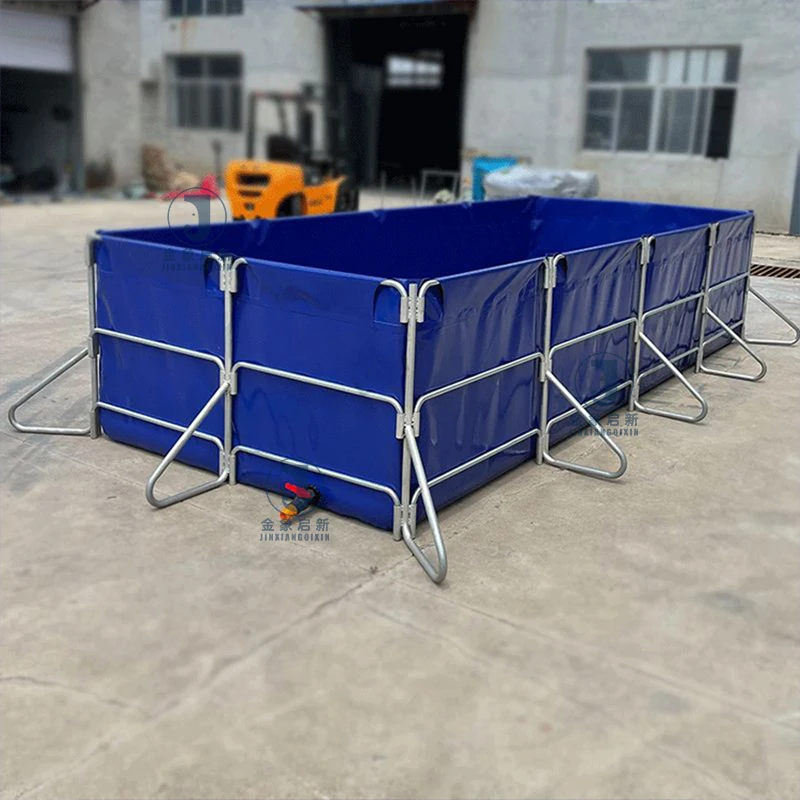
Production Depth Control — Three full coating lines and 36 equipment sets allow this PVC pond liner fabric to be held to consistent GSM and adhesion targets across every roll, verified before dispatch rather than assumed from batch averages.
Technical Specifications
| Parameter | Value |
|---|---|
| Product Type | Pond Liner / Tarpaulin |
| Base Fabric | High-strength polyester mesh |
| Coating Material | PVC (laminated and hot-melt coating technology) |
| Weight Options | 350gsm / 420gsm / 500gsm / 550gsm / 600gsm / 750gsm |
| Thickness Options | 0.32mm / 0.35mm / 0.4mm / 0.45mm / 0.5mm / 0.65mm |
| Roll Width | 2m / 2.1m |
| Roll Length | 75m (2m width) / 50m (2.1m width) |
| Colour Options | Blue, Red, Yellow, Light blue, Grey (custom colours available) |
| Finish Product Sizing | Custom cut-to-size or inventory roll stock |
| Key Features | Waterproof, cold crack resistance, anti-mildew, anti-static treatment (grade not stated — confirm requirement), sunproof (test basis not stated — confirm grade), colour fastness |
| Flame Retardant | Available as special treatment (grade not stated — confirm the grade required for your market) |
| Standards | ISO, CE |
Application Suitability
| Application | Exposure & Requirement |
|---|---|
| Aquaculture fish and shrimp ponds | Permanent water immersion, biological load, UV exposure, puncture risk from substrate |
| Agricultural water storage reservoirs | Standing water, seasonal temperature cycling, soil chemistry contact, wind uplift at edges |
| Industrial liquid containment | Chemical exposure, fire-retardant or anti-static compliance on regulated sites |
| Decorative and landscape ponds | UV stability, colour retention, aesthetic finish visible above waterline |
What "Fire Retardant" Actually Means Without a Certified Grade Behind It
A PVC pond liner fire retardant anti-static certified claim is only as reliable as the test report that accompanies it. [NEED_CITE: fire classification standards for PVC coated fabrics in containment applications]
Many buyers specify flame retardancy for aquaculture or industrial containment projects because the site insurance or local regulation demands it. The material arrives, the inspector asks for the certificate, and the supplier produces a generic data sheet with no standard reference. The liner passes visual inspection but fails the compliance audit, delaying the entire project handover. We have seen containment installations halted at final inspection because the documentation did not match the specification written into the tender.
Coating Adhesion and Seam Integrity in Wet Environments
The hot-melt coating process bonds the PVC layer to the high-strength polyester mesh at a molecular level, producing adhesion strength that holds up when the liner is submerged and the fabric flexes under hydrostatic pressure. A PVC pond liner fire retardant anti-static certified for specialist containment must maintain this bond at the weld line, because the seam is the first point of failure when coating adhesion is weak. Laminated technology is also available for grades where cost-efficiency matters more than peak peel strength.
Specialist Treatments for Regulated Containment Sites
Fire-retardant and anti-static treatments are available as special-order additions to the base PVC formulation. Anti-static treatment is applied during coating but the specific surface resistance grade must be confirmed against your site requirements before production begins. For mining, aviation or industrial containment applications where spark discharge or flame spread is a documented risk, the treatment grade and the corresponding test standard must be agreed in writing. [NEED_CITE: anti-static surface resistance measurement methods for PVC coated technical textiles]
Reading GSM and Thickness Together
Weight and thickness interact but do not move in lockstep. A 500gsm liner at 0.4mm may use a denser base mesh with less coating fill, giving higher tensile contribution from the yarn. A 500gsm liner at 0.5mm may carry more PVC and a lighter mesh, relying on coating mass for puncture resistance. For pond lining, the base fabric denier and weave density determine how well the material resists tear propagation once a puncture starts, while the coating thickness governs abrasion resistance against the substrate. Selecting the right grade means matching both values to the pond depth, soil type, and expected mechanical load during installation and service. [NEED_CITE: relationship between GSM, base fabric denier and tear strength in coated polyester fabrics]
The Cost of Specifying on Price per Kilogram Alone
When pond liner is sourced on a cost-per-kilogram basis without verifying delivered GSM, the material that arrives can be lighter than the quotation stated. A liner specified at 600gsm but delivered at 540gsm has less coating mass, reducing puncture resistance and accelerating UV degradation at the surface. Welded seams on underweight material tend to fail first because there is insufficient PVC at the joint to form a proper bond. Colour variation between rolls in the same shipment becomes visible once panels are installed side by side, forcing rejection of material that has already been freighted to site. [NEED_CITE: pre-shipment GSM verification methods for coated fabric rolls]
Why Source This PVC Pond Liner Through Our Production Lines
Three full production lines and 36 sets of professional equipment support volume roll output with consistent coating weight across the run. The 10-person R&D team handles material selection, custom cut-to-size development, and sample production within days for non-standard pond geometries. Every roll undergoes dedicated QA/QC at each production stage with 100% inspection before shipment, so the GSM, colour, and treatment match the agreed specification. Custom widths and colours are produced on the same lines as stock grades, meaning lead times do not jump simply because your project requires a non-standard option. Documentation — from material specification sheets to pre-shipment inspection records — travels with every dispatch.
Documentation & Verification
- Material specification sheet stating exact GSM, base fabric denier, coating weight, and total thickness per roll
- Fire-retardant test report citing the specific standard and grade achieved for treated batches
- Anti-static surface resistance test result where treatment has been specified and applied
- Pre-shipment inspection record with roll-by-roll GSM and colour verification before container loading
- Certificate of origin and customs documentation package for export shipments
Fabrication, Handling & Storage
- Hot-air welding at manufacturer-recommended temperature settings ensures seam strength matches the PVC coating bond
- Store rolls vertically or on padded racks to prevent permanent creasing in the 2m and 2.1m widths
- Allow cold-stored rolls to reach ambient temperature before unrolling to avoid cracking the PVC surface
- Use PVC-compatible cleaners only; solvent-based products degrade the coating on all GSM grades
- Plan panel cutting layout to minimise waste from the 75m or 50m standard roll lengths
- Patch field repairs with matching GSM offcuts welded in place using the same hot-air method
Before You Request a Quote
Provide the pond dimensions, depth, and substrate type so we can recommend the correct GSM and thickness grade. If your project requires fire-retardant or anti-static certification, state the standard and grade your site demands. Confirm whether you need full rolls or pre-cut and welded panels, and whether colour matching across multiple rolls is critical for the installation.
Frequently Asked Questions
Q: What fire-retardant grades are available and which standards do they meet?
A: Fire-retardant treatment is available as a special-order option on our PVC pond liner range. The specific grade and test standard depend on your market and application requirements. We produce the treated batch and supply the corresponding test report. Confirm the standard your project specifies before we formulate the coating.
Q: How is anti-static performance measured and certified for pond liner applications?
A: Anti-static treatment is incorporated during the PVC coating process. Surface resistance is measured according to recognised textile testing methods and documented in a test report supplied with the shipment. The required resistance range depends on your site safety specification, which we need before production begins.
Q: How do I confirm the GSM matches the quotation when the liner arrives on site?
A: We conduct 100% roll-by-roll inspection before dispatch and include a pre-shipment inspection record with your documentation. On receipt, you can verify weight by cutting a measured sample from the roll edge and calculating GSM from the sample weight and area.
Q: What welding methods are recommended for joining PVC pond liner panels?
A: Hot-air welding is the standard method for PVC-coated polyester pond liner. The hot-melt and laminated coating technologies both produce surfaces suitable for hot-air seam joining. Welding temperature and speed should be adjusted to the specific GSM grade to ensure the seam bond matches the fabric strength.
Q: Can custom pond dimensions be cut and welded before shipment?
A: Yes. Our R&D team can develop cut-to-size panels based on your pond geometry drawings. Panels are hot-air welded to the required shape, inspected, and packed for direct installation on arrival. Provide dimensional drawings and substrate details so we can select the appropriate grade.