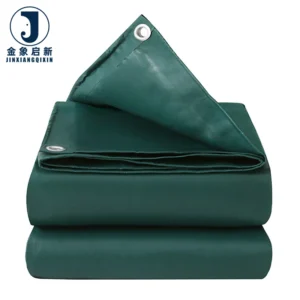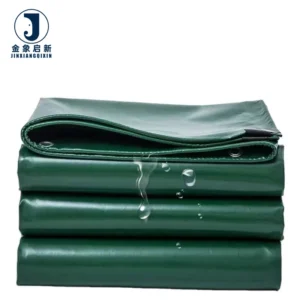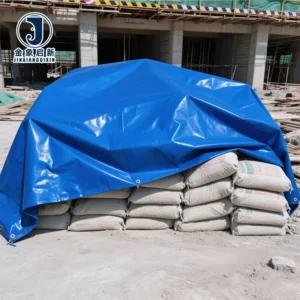
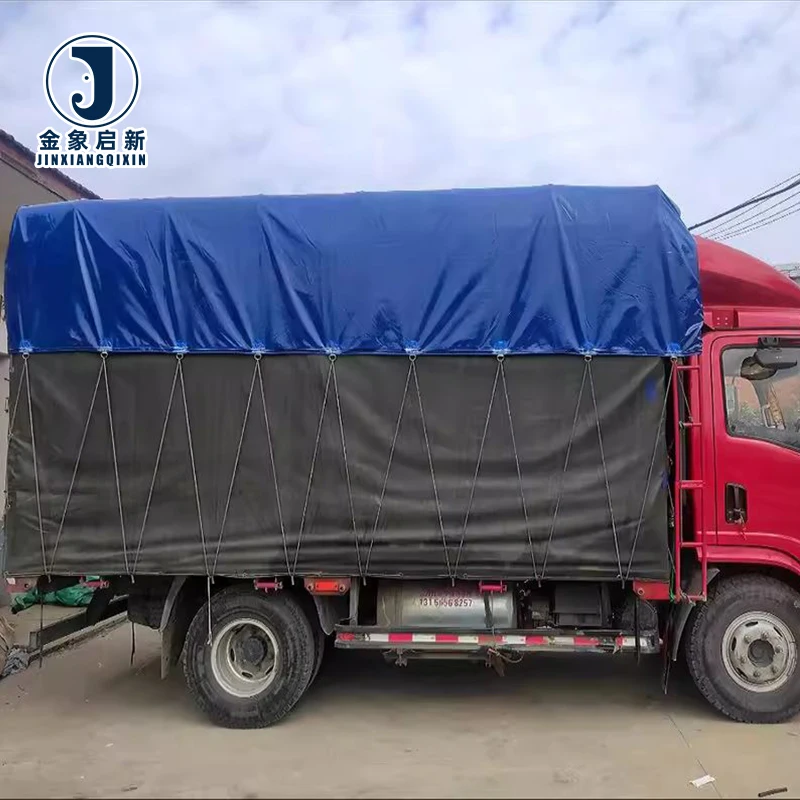
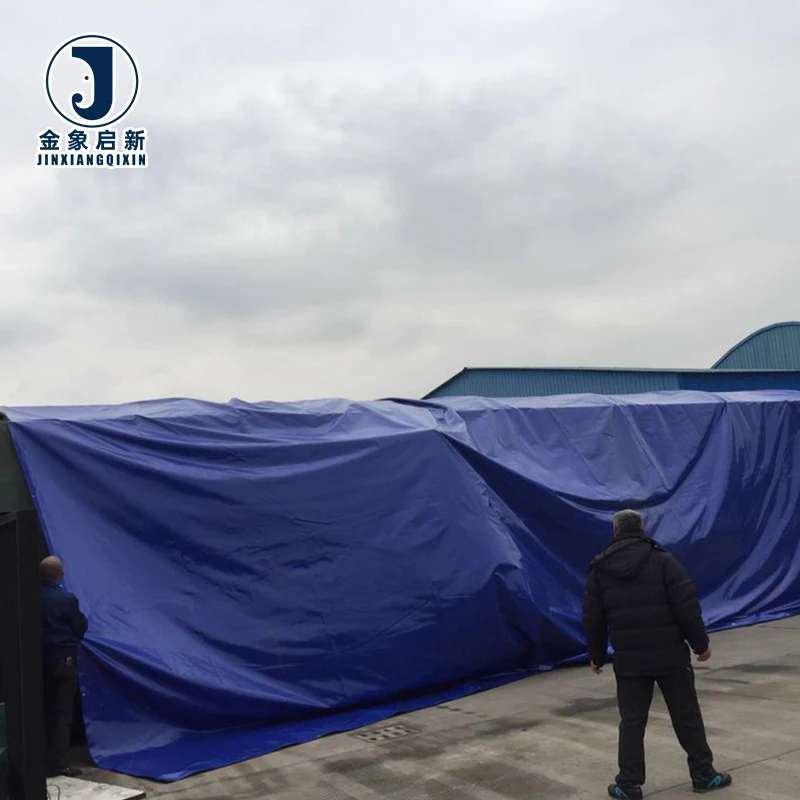
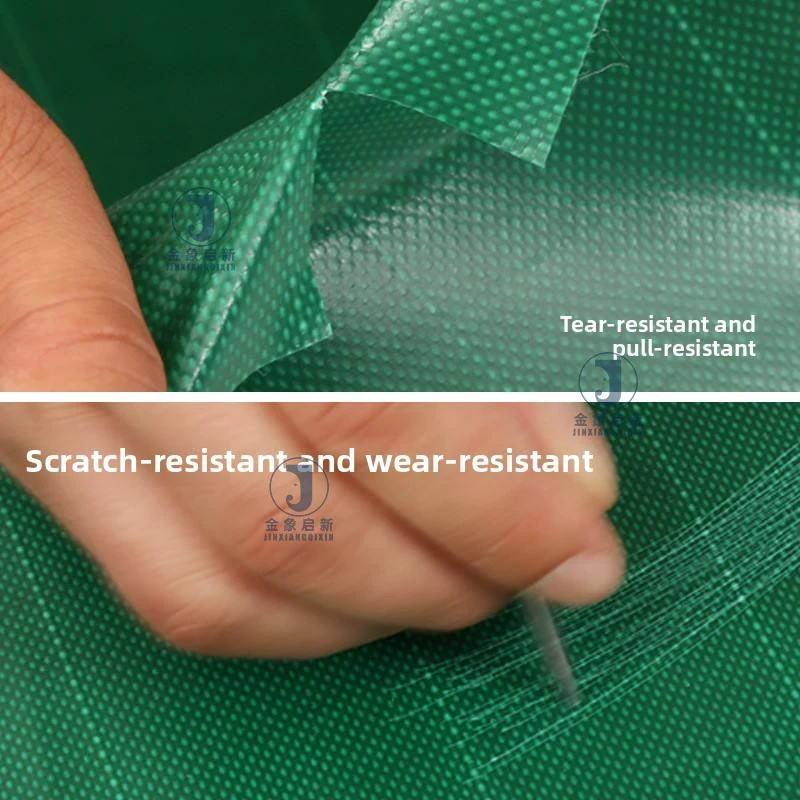
Deep Process Control — nearly three decades focused on PVC coating adhesion and weight consistency across every roll produced for industrial duct and membrane applications.
Technical Specifications
| Parameter | Value |
|---|---|
| Product Type | PVC Coated Fabric |
| Base Fabric Denier | 500D / 1000D / up to 2000D options available |
| Coating Material | PVC |
| Coating Method | Dipping coating |
| Total Thickness Range | 0.35 mm – 1.5 mm depending on grade |
| Waterproof | Yes — fully coated construction |
| Mildew Proof | Yes |
| UV Treatment | Available in treated grades — confirm the grade required for your market |
| Flame Retardant | Available in flame retardant grades — confirm the grade required for your project specification |
| Anti-Static | Available for mine and tunnelling duct applications — confirm surface resistance requirement |
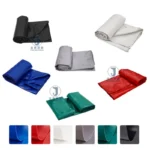
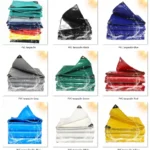
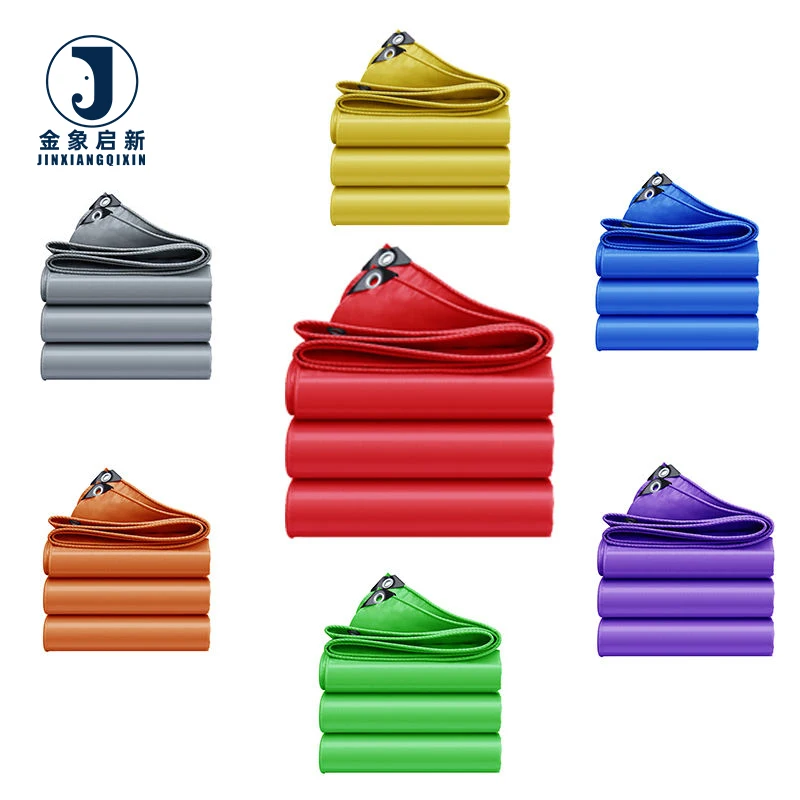
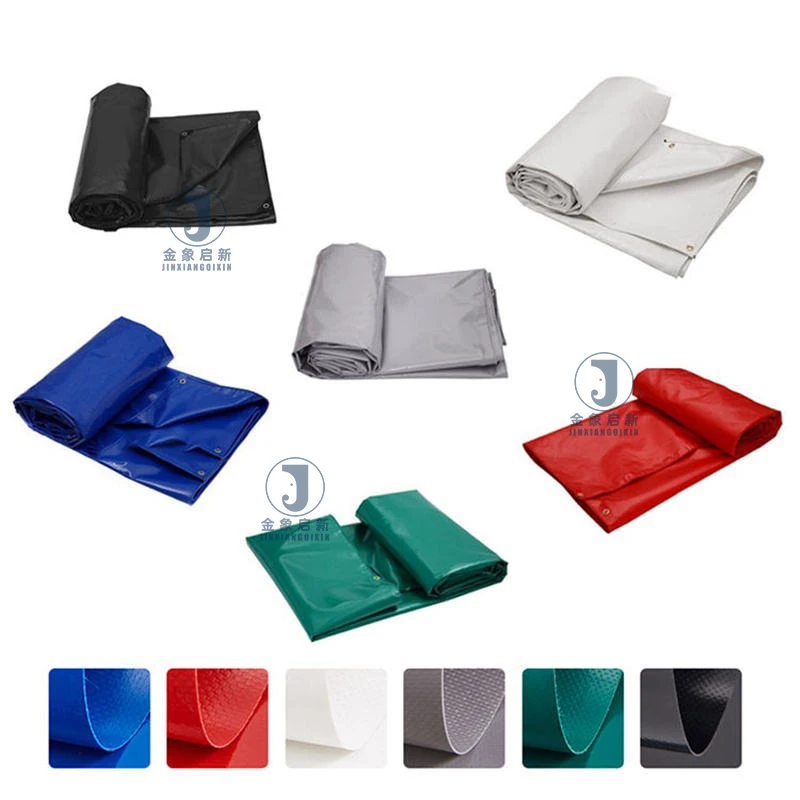
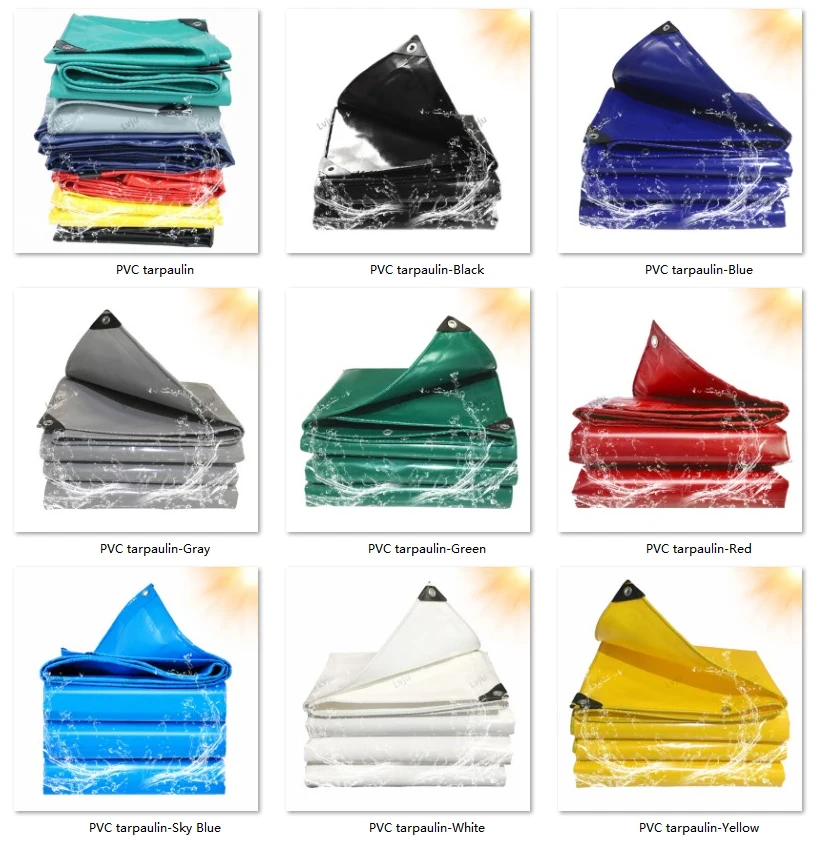
| Colour Options | Blue, Green, Grey, Black, Orange, Blue/Orange, Grey/Green, Clear, or custom |
| Roll Width Options | 2 m, 4 m, 6 m / 6 ft, 8 ft, 10 ft, 12 ft |
| Roll Length Options | 100 yards, 100 metres, or custom |
| Key Features | Waterproof, mildew resistant, UV treated options, flame retardant options, anti-static options |
Application Suitability
| Application | Exposure & Requirement |
|---|---|
| Mining and tunnelling ventilation duct | Confined underground environment — fire-retardant and anti-static compliance mandatory for site inspection approval |
| Aviation and industrial ventilation systems | High-velocity airflow, continuous flexing at joints, certified duct fabric required by project specification |
| Tensioned membrane structures | Sustained tensile load, wind uplift, UV exposure — high warp and weft strength critical for structural calculations |
| Inflatable structures | Repeated inflation cycles, internal pressure stress, puncture risk during deployment and handling |
| Industrial pipe canopy and equipment covers | Weather exposure, chemical splash, mechanical abrasion from access and maintenance activity |
What "Certified Duct Fabric" Means When the Paperwork Is Missing
A ventilation duct installed in a mine or tunnel must carry documented fire-retardant and anti-static certification before the site inspector signs off — without matching test reports, the entire installation faces rejection regardless of how the fabric performs in the field.
The PVC coated tarpaulin fire retardant certified specification only matters when the certificate travels with the roll. Contractors regularly receive duct fabric on site only to discover the flame-retardant grade does not match the project specification, or the anti-static surface resistance value was never measured against the required standard. The cost is not the fabric — it is the delay, the rework, and the compliance gap that surfaces at the worst possible moment. [NEED_CITE: fire-retardant classification standards for underground ventilation ductwork]
Base Fabric Denier and What It Governs Underground
The base fabric denier — available from 500D through 1000D and up to 2000D — determines how much tensile load the woven polyester skeleton can carry before the PVC coating becomes irrelevant. In ventilation duct applications, the fabric flexes continuously at suspension points and junction collars, and lower denier constructions tend to develop yarn-level fatigue cracks long before the coating itself degrades. Selecting the correct denier is a structural decision, not a cost optimisation exercise.
Coating Adhesion and Duct Weld Integrity
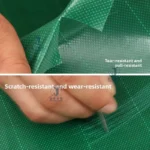
Dipping coating delivers PVC penetration into the woven base rather than a surface laminate, which directly affects how well hot-air welded seams hold under duct pressurisation cycles. When coating adhesion is weak, the weld line becomes the failure point — the fabric does not tear, but the seam peels apart at the flex point where the duct flexes most under airflow pulsation. Consistent coating weight per square metre is what keeps weld behaviour predictable across every roll in a multi-duct installation. [NEED_CITE: coating adhesion test methods for PVC coated technical textiles]
Reading the GSM and Tensile Data Together
Total thickness spanning 0.35 mm to 1.5 mm across the available grades reflects the combined contribution of base fabric density and PVC coating weight — neither number alone tells you how the material will behave under structural load. Tensile strength varies by warp and weft direction, and for membrane structures this directional data feeds directly into the engineer’s load calculations. A heavier GSM with a low-density base fabric may resist puncture but offer poor tear propagation resistance, while a lighter grade built on a high-denier tight weave can outperform it in sustained tension. The PVC coated tarpaulin fire retardant certified grade you select must be evaluated on the complete data set, not a single headline number.
When the Wrong Specification Reaches the Job Site
Specifying a duct fabric without confirming the fire-retardant grade against the project’s mandatory standard leads to a binary outcome at inspection — pass or fail, with no middle ground. Similarly, ordering anti-static fabric for underground use without a documented surface resistance measurement leaves the contractor carrying all the compliance risk. Batch-to-batch colour variation matters less for buried duct runs but becomes a visible problem on tensioned membrane structures where panels sit side by side in direct sunlight. These are not material defects — they are specification gaps that surface only after the fabric is cut, welded, and installed. [NEED_CITE: site inspection rejection criteria for ventilation duct fire compliance]
Why Technical Buyers Source This Fabric Here
Three full production lines with 36 sets of professional equipment support bulk roll output with consistent coating weight control — critical when a duct project requires multiple rolls from the same production batch. A 10-person R&D team handles material selection and sample development within days, allowing contractors to verify fire-retardant grade and anti-static values before committing to a production run. Dedicated quality inspection at every production stage, with 100% pre-shipment verification, catches GSM drift and coating inconsistencies before rolls leave the facility. The PVC coated tarpaulin fire retardant certified documentation package ships with every order — material specification sheets, test reports matched to the grade supplied, and certificates of origin for cross-border project compliance. Nearly 30 years of focused coated fabric production means the process variables that affect weld behaviour and seam longevity are controlled, not left to chance.
Documentation & Verification
- Material specification sheet stating GSM, base fabric denier, and coating weight for each roll
- Flame-retardant and anti-static test reports matched to the grade and standard supplied
- ISO and CE certificates accompanying every shipment for project compliance files
- Pre-shipment inspection record confirming weight and coating consistency before dispatch
- Certificate of origin and customs documentation for cross-border industrial projects
Fabrication, Handling & Storage
- Hot-air welding parameters should be calibrated to the specific PVC coating weight and thickness grade before production begins
- Store rolls vertically on pallets to prevent compression marks that affect coating surface flatness during welding
- Allow cold-stored rolls to acclimatise to workshop temperature before unrolling to avoid coating stiffness and cracking
- Cut pattern layouts should account for roll width options — 2 m, 4 m, or 6 m — to minimise welded seams in duct sections
- Use compatible PVC-based repair patches matched to the coating thickness for on-site duct damage
Preparing Your Enquiry
Provide the ventilation duct diameter, run length, and operating pressure so the correct base fabric denier and coating weight can be matched to your structural load. Confirm the fire-retardant classification and anti-static standard mandated by your project specification or local mining authority. Specify whether you need rolls for on-site fabrication or finished duct sections with welded collars and suspension loops.
Frequently Asked Questions
Q: What fire-retardant grades are available and which test reports ship with the fabric?
A: Flame-retardant options are available in multiple grade classifications — the specific grade must be confirmed against your project specification. Test reports corresponding to the supplied grade ship with the material documentation package. Contact the technical team with your required standard so the correct grade and matching certification can be prepared before production.
Q: What anti-static surface resistance values can be achieved for mine and tunnelling duct fabric?
A: Anti-static treatment is available for underground ventilation duct applications where surface resistivity is a mandatory compliance parameter. The achievable resistance range depends on the specific PVC formulation and coating weight selected. Provide your project’s required surface resistance value so a matched sample with documented measurement can be developed for approval.
Q: How are tensile and tear strength values verified for structural membrane calculations?
A: Tensile strength data is provided per warp and weft direction across available denier and GSM grades. The test method used should be confirmed against the standard your structural engineer requires for load calculations. Request the specific test documentation when submitting your enquiry so the correct data format accompanies the material sample.
Q: What is the process for requesting a fabric sample matched to a specific duct or membrane specification?
A: Submit your application requirements including fire-retardant grade, anti-static needs, and target GSM range. The R&D team develops a matched sample within days for your evaluation. Once approved, production proceeds with in-process quality checks and full pre-shipment inspection against the sample benchmark.
Q: How is batch-to-batch GSM and coating weight consistency controlled across a multi-roll order?
A: Each production stage includes dedicated quality verification with 100% pre-shipment inspection covering GSM, coating weight, and visual consistency across all rolls in the order. A roll packing list documents the weight and specification of each individual roll shipped, providing traceability from production batch to job site delivery.