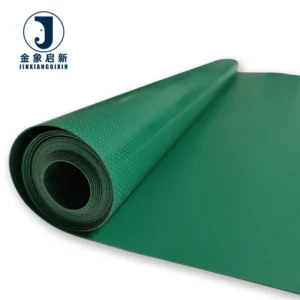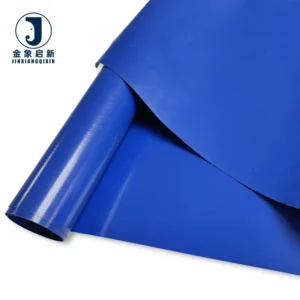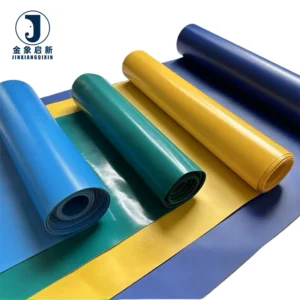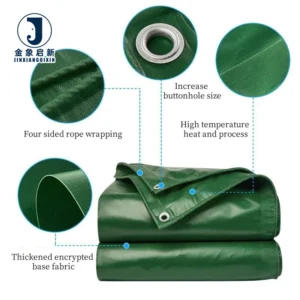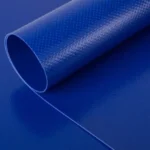
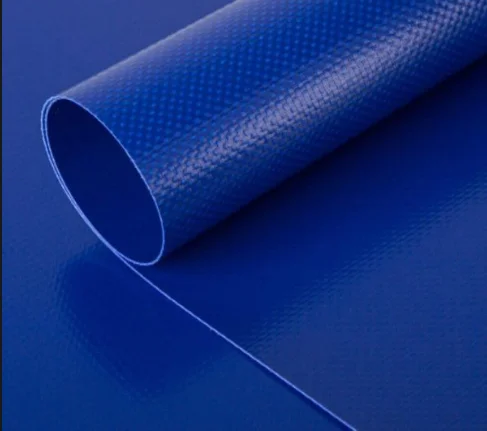
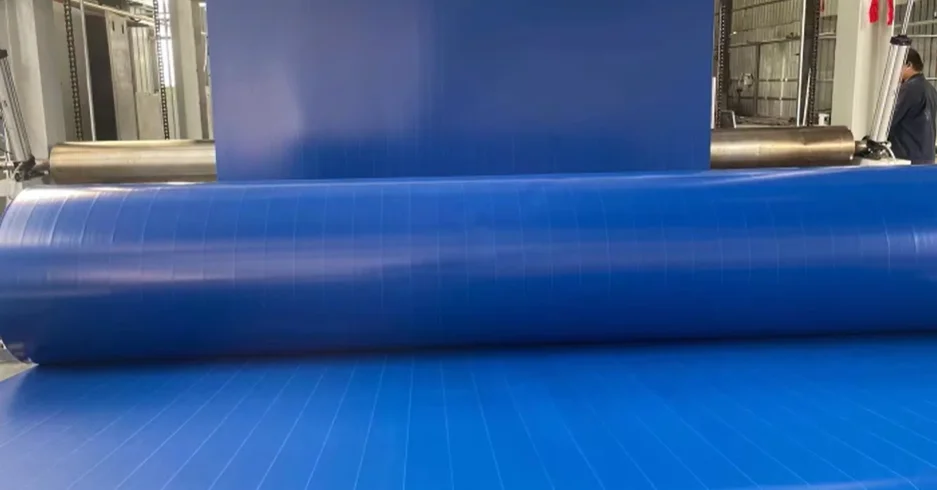
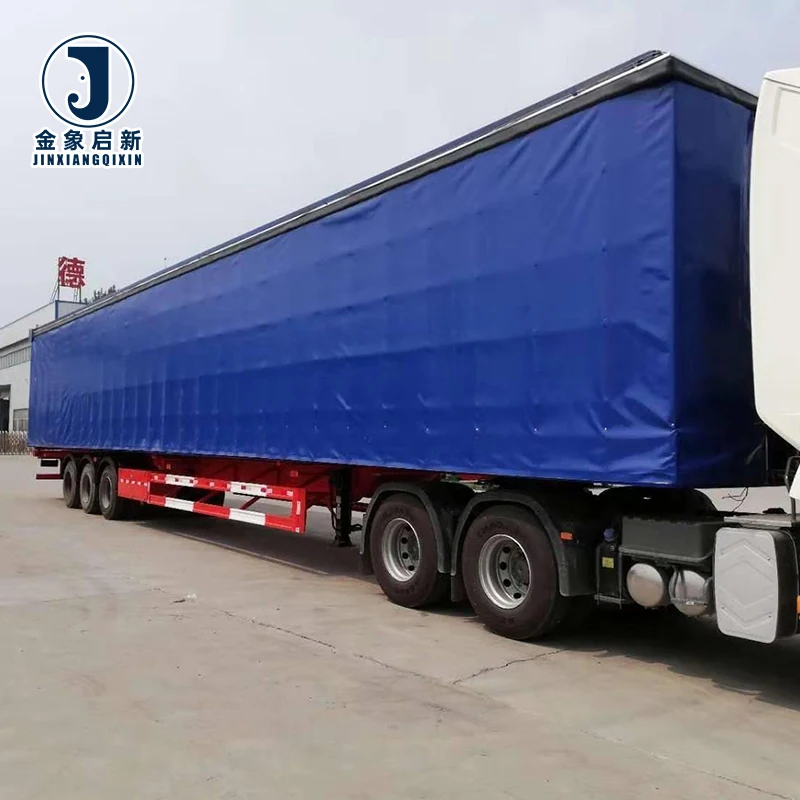
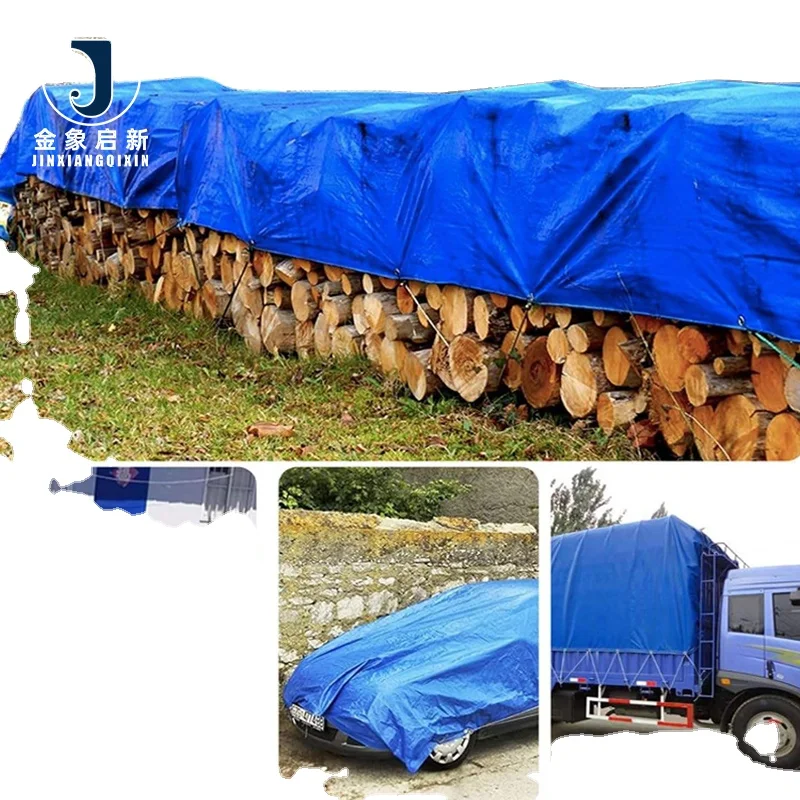
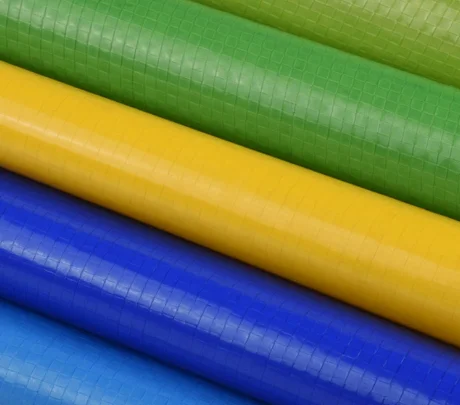
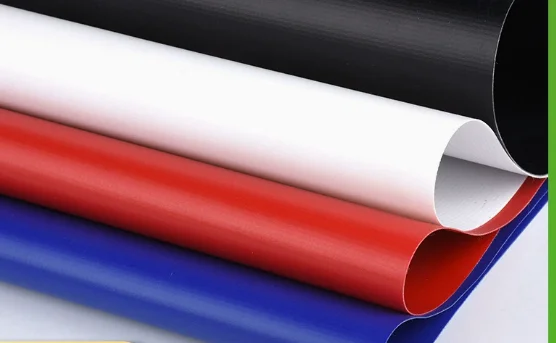
Proven Coating Process Control — nearly three decades of knife coating experience ensures consistent adhesion, verified GSM per roll, and reliable fire-retardant treatment for technical structures.
Technical Specifications
| Parameter | Value |
|---|---|
| Product Type | PVC Coated Tarpaulin |
| Coating Method | Knife coated |
| Coating Material | PVC |
| Base Fabric | High-tenacity polyester (denier available on request) |
| Weight (GSM) | Available in multiple grades — confirm required GSM for your application |
| Flame Retardant Grade | Available in flame retardant grades — confirm the grade required for your market (e.g., M2, B1, NFPA 701, DIN 4102) |
| UV Treatment | Available with UV stabilisation — test basis confirmed at inquiry |
| Anti-Static | Available for ventilation and mining applications — surface resistance value confirmed at inquiry |
| Anti-Mildew | Treated (standard confirmed at inquiry) |
| Antibacterial | Treated (standard confirmed at inquiry) |
| Oil and Stain Resistance | Treated surface |
| Acid and Alkali Resistance | Chemically resistant coating |
| Temperature Range | High temperature and cold resistance (specific range confirmed at inquiry) |
| Welding Compatibility | HF, Hot Air, Sewing |
| Surface Finish | Self-cleaning surface |
| Certifications | ISO, CE |
Application Suitability
| Application | Exposure & Requirement |
|---|---|
| Mining and tunnelling ventilation ducts | Continuous airflow pressure, abrasive particulate, mandatory fire-retardant and anti-static compliance |
| Airport hangar membrane covers | Long-span tension loads, UV and weather exposure, fire-retardant certification for aviation facilities |
| Stadium and tensile architectural structures | High tensile forces at anchor points, UV stability, aesthetic surface consistency across panels |
| Inflatable and portable storage structures | Airtight weld integrity, repeated inflation cycles, crack resistance at low temperatures |
| Industrial shade systems | Prolonged solar exposure, wind load on large unsupported spans, colour retention |
Why a Fire-Retardant Claim Without a Test Report Fails at Inspection
Specify the exact fire-retardant standard your jurisdiction requires before placing the order — a generic claim will not pass site inspection.
Ventilation duct fabric and membrane structure covers arrive on site with a quotation that says "fire retardant" but no accompanying test report matched to the project specification. The site safety officer rejects the material, the installation halts, and the contractor faces delay penalties while sourcing compliant replacement stock. [NEED_CITE: fire classification standards for coated fabrics in mining and aviation environments] This scenario repeats across mining, tunnelling and aviation hangar projects where the regulatory framework demands documented proof — not a supplier statement. A PVC knife coated tarpaulin roll fire retardant certified to your local standard eliminates this risk at the procurement stage, not after delivery.
Fire-Retardant and Anti-Static Compliance for Regulated Sites
Mining ventilation ducts and aviation hangar membranes operate under strict fire safety codes that demand more than a supplier declaration. This PVC knife coated tarpaulin roll fire retardant certified fabric is available with treatment grades aligned to standards including DIN 4102, NFPA 701, M2 and B1 — you specify the grade at inquiry and receive the matching test report with your shipment. Anti-static treatment is equally critical in explosive atmosphere environments, where surface resistance values must fall within the range your site safety plan mandates.
Welding Versatility for Duct Fabrication and Membrane Assembly
Duct seams must hold airtight under positive and negative pressure cycles, while membrane structure joins must carry structural tension without peeling. The knife coated construction supports high-frequency welding, hot air welding and sewing, giving fabricators the flexibility to choose the method that matches their joint design and production equipment. Hot air welding produces continuous bonded seams suited to long duct runs, while HF welding delivers rapid, localised bonds for complex duct fittings and inflatable structure panels. [NEED_CITE: welding methods and peel strength for PVC coated polyester fabrics]
Reading the Specification Sheet Beyond GSM
Weight alone does not determine whether a PVC coated tarpaulin will hold tension across a stadium roof or survive repeated flexing in a ventilation duct. The base fabric denier and weave density govern tensile and tear resistance — a lighter fabric with a tight, high-tenacity polyester weave can outperform a heavier fabric built on a loose, low-denier base. Knife coating, as opposed to calendaring or lamination, forces PVC into the weave interstices under blade pressure, producing superior coating adhesion and peel strength that directly affects weld integrity and long-term delamination resistance. The self-cleaning surface treatment reduces dirt accumulation on exposed architectural membranes, lowering maintenance frequency on structures where access is difficult or costly. Temperature resistance determines whether the fabric remains flexible during winter installation or resists softening under direct summer sun on large-span shade structures. [NEED_CITE: relationship between base fabric construction and tensile performance in coated technical textiles per ISO 1421]
The Hidden Cost of Undocumented Treatment Grades
When flame retardant or anti-static treatment is claimed without a verifiable test report, the financial exposure extends far beyond the material cost. A rejected membrane installation at an airport hangar means dismantling fabricated panels, re-ordering compliant fabric, and absorbing the labour and schedule cost of a second installation. In mining ventilation, a duct that fails anti-static surface resistance testing can trigger a full site safety audit, halting production until compliant material is in place. Colour inconsistency across rolls in a tensile structure becomes visible once panels are installed side by side, forcing selective replacement that disrupts the project timeline. [NEED_CITE: pre-shipment inspection protocols for coated fabric batch consistency] These are not hypothetical risks — they are documented procurement failures that repeat when buyers accept treatment claims without demanding the supporting documentation before production begins.
Why Technical Buyers Source This Fabric Here
Three full production lines and dedicated coating equipment maintain batch consistency across large-volume roll orders, ensuring that every roll in a membrane structure project matches in weight, colour and treatment grade. The in-house R&D team develops custom samples within days when your project specifies a non-standard width, fire-retardant grade or colour reference, allowing you to validate the material before committing to full production. A ten-person quality team conducts inspection at every production stage, with a complete pre-shipment record verifying GSM, coating adhesion and treatment compliance roll by roll. [NEED_CITE: QA/QC inspection stages for PVC knife coated fabric production] Nearly 30 years of focused coating fabric production means the process parameters that govern adhesion, tensile performance and surface finish are controlled from experience, not trial and error. Documentation packages ship with every order, matching the compliance requirements of your destination market.
Documentation & Verification
- Material specification sheet stating GSM, base fabric construction and coating weight per roll
- Fire-retardant test report matched to your specified grade and standard
- Anti-static surface resistance test result for mining and tunnelling applications
- Pre-shipment inspection record with roll-by-roll weight and visual verification
- ISO and CE certificates covering production and material compliance
- Certificate of origin and customs documentation for international dispatch
Fabrication, Handling & Storage
- HF welding suits complex duct fittings; hot air welding preferred for long membrane seams
- Store rolls upright on pallets to prevent permanent creasing across the knife coated surface
- Allow fabric to acclimatise before unrolling in cold conditions to avoid coating crack risk
- Use compatible PVC-based adhesives for field repairs on self-cleaning surface membranes
- Plan panel cutting layout to minimise waste and reduce the number of welded joins
- Clean with mild detergent only — solvents may degrade the anti-static or flame retardant treatment
What to Include in Your Inquiry
Provide the specific fire-retardant standard and anti-static surface resistance range your project specification demands, along with the required roll width and estimated annual volume. State whether you need raw roll stock for your own fabrication facility or if you require cut-to-size panels with welded hems and reinforcement. If your membrane structure or ventilation duct project involves multiple installations, indicate your colour reference and batch consistency requirements so that sample approval can proceed before full production.
Frequently Asked Questions
Q: What fire-retardant grades are available and which standards do they comply with?
A: The fabric is available in flame retardant grades aligned to standards including DIN 4102, NFPA 701, M2 and B1. Specify the standard required by your jurisdiction or project specification at inquiry, and the matching test report will be included with your shipment documentation.
Q: How do I verify the anti-static surface resistance meets my mining or tunnelling site requirements?
A: Provide your site safety plan’s required surface resistance range at inquiry. An anti-static test report confirming the measured value will accompany your documentation package, allowing your safety officer to verify compliance before installation begins.
Q: Which welding method is best for airtight duct seams versus membrane structure joins?
A: Hot air welding produces continuous seams suited to long ventilation duct runs where airtight integrity is critical. High-frequency welding delivers rapid, precise bonds for complex duct fittings and inflatable panels. Sewing with sealed stitch lines is used for membrane structure joins carrying structural tension.
Q: How is UV treatment validated and what evidence supports the claim?
A: UV stabilisation is applied during the coating process and validated through testing. Request the specific test method and duration at inquiry so you can confirm the treatment level matches the solar exposure conditions of your installation environment.
Q: What documentation is shipped with each roll for compliance and customs clearance?
A: Each shipment includes a material specification sheet, fire-retardant and anti-static test reports where applicable, pre-shipment inspection record, ISO and CE certificates, certificate of origin, packing list and customs support documentation matched to your destination market.